

Understanding the Importance of Evening Transitions
The Psychological Impact of Work Stress
After a long day at work, the stress and mental clutter can linger, making it hard to relax and enjoy your personal time. Work stress doesn’t just disappear when you leave the office or shut down your computer. It tends to seep into your evening, affecting your mood and even your sleep quality. The brain remains wired, often replaying unfinished tasks or worries about deadlines. This continuous mental engagement can prevent you from truly disconnecting, leading to burnout over time.
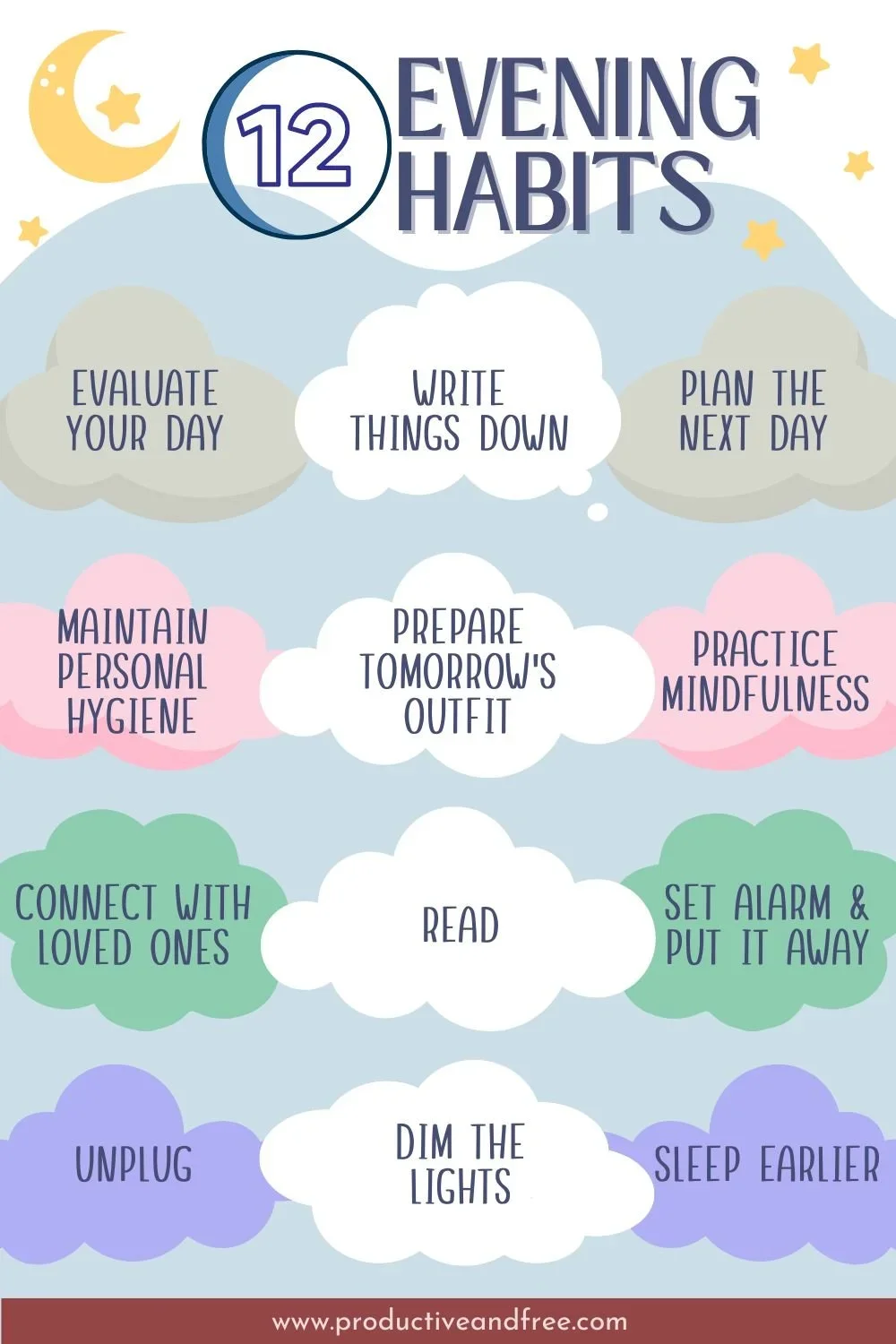
Understanding how work stress impacts your evening is the first step toward developing habits that help you unwind. Recognizing that your mind needs a pause is crucial for your overall well-being.
How Evening Habits Shape Your Next Day
Evening routines do more than help you relax—they set the tone for the following day. A hectic or unstructured evening filled with distractions can derail your sleep, leaving you tired and unfocused when you wake up. On the other hand, mindful habits create a buffer where you can transition smoothly into restful sleep, allowing your body and mind to recharge.
When you intentionally design your evening, you empower yourself to face the next day with greater clarity and calm. This positive ripple effect reinforces why paying attention to your after-work hours is so valuable.
Key Mindful Practices to Disconnect from Work
Setting Boundaries: Physical and Mental
One of the most effective ways to leave work behind is by establishing clear boundaries. Physically, this might mean shutting your laptop, putting away your work phone, or even changing out of your work clothes. Mentally, it involves consciously deciding to stop thinking about work tasks and redirecting your attention.
This boundary-setting can be difficult when work is demanding, but treating the end of your workday as a ritual helps signal to your brain that it’s time to relax. Allow yourself the grace to be flexible. Some days might not go perfectly, and that’s okay. The key is to build a habit that encourages separation between work and personal life.
Breathing Techniques to Release Tension
Deep, mindful breathing is a simple but powerful way to ease the physical tension that builds up during work. Even just five minutes of focused breathing can lower your heart rate and clear your mind. Techniques like box breathing, where you inhale for four counts, hold for four, exhale for four, and hold again for four, can help reset your nervous system.
By incorporating breathing exercises into your evening, you create a calming transition that physically and mentally prepares you to leave stress behind.
Digital Detox: Reducing Screen Time
It’s tempting to scroll through social media or check emails after work, but passive consumption often does more harm than good. Instead of helping you unwind, endless scrolling can trigger anxiety or drain your energy. Being intentional about your digital use means choosing meaningful interactions over passive scrolling.
Try setting a time limit on screens or replacing some of your screen time with other activities like reading or listening to music. This digital detox not only protects your mental space but also improves sleep quality by reducing blue light exposure.
Creating a Personalized Evening Routine
Incorporating Gratitude and Reflection
Ending your day with gratitude or reflection can shift your mindset away from stress and towards positivity. Taking a few moments to jot down things you’re thankful for or highlight positive moments fosters emotional well-being. It builds resilience by focusing your attention on what went well rather than what didn’t.
This practice doesn’t need to be complicated. Keeping a gratitude journal or a simple list on your phone can be a powerful tool that sets a peaceful tone for the rest of your evening.
Light Movements and Gentle Stretches
After hours of sitting or intense mental activity, moving your body gently can be incredibly soothing. Light stretching or yoga helps release physical tension accumulated throughout the day and encourages a sense of relaxation. It also prepares your body for rest by lowering muscle tightness and stimulating circulation.
Choose movements that feel good for your body – they should be enjoyable, not feel like a chore. The goal is to reconnect with your body and signal that it’s time to wind down.
Choosing Activities that Promote Relaxation
Your evening should include activities that truly help you unwind. This might be reading a book, listening to calming music, or enjoying a warm shower. Pairing these activities with small rituals like sipping your favorite tea or lighting a candle makes the routine appealing and more sustainable.
Avoid activities that keep your mind overly active or stressed, like unfinished work tasks or compulsive social media use. Instead, prioritize things that bring you joy or foster calm, ensuring you end the day on a positive note.
Designing Your Environment for a Peaceful Transition
Lighting and Ambiance Adjustments
The environment around you plays a significant role in how easily you transition into relaxation. Bright or harsh lighting can keep your brain stimulated, while softer, warmer lights encourage calmness. Consider dimming lights or using lamps instead of overhead lighting during your evening routine.
Adding elements that soothe your senses, like gentle background music or essential oils, can further enhance the ambiance. These small changes help your mind associate your space with tranquility, reinforcing your intention to relax.
Clutter-Free Zones for Mental Clarity
A messy workspace or living area often translates into mental clutter. Spending 10-15 minutes tidying up after work can make a huge difference in how peaceful your environment feels. A clean, organized space supports creativity and relaxation, making it easier to let go of work-related thoughts.
Keeping your work materials stored away and your personal space neat also reinforces the boundary between work and home life. This separation helps your brain switch modes more effortlessly.
Tracking Progress and Adjusting Habits
Journaling Evening Experiences
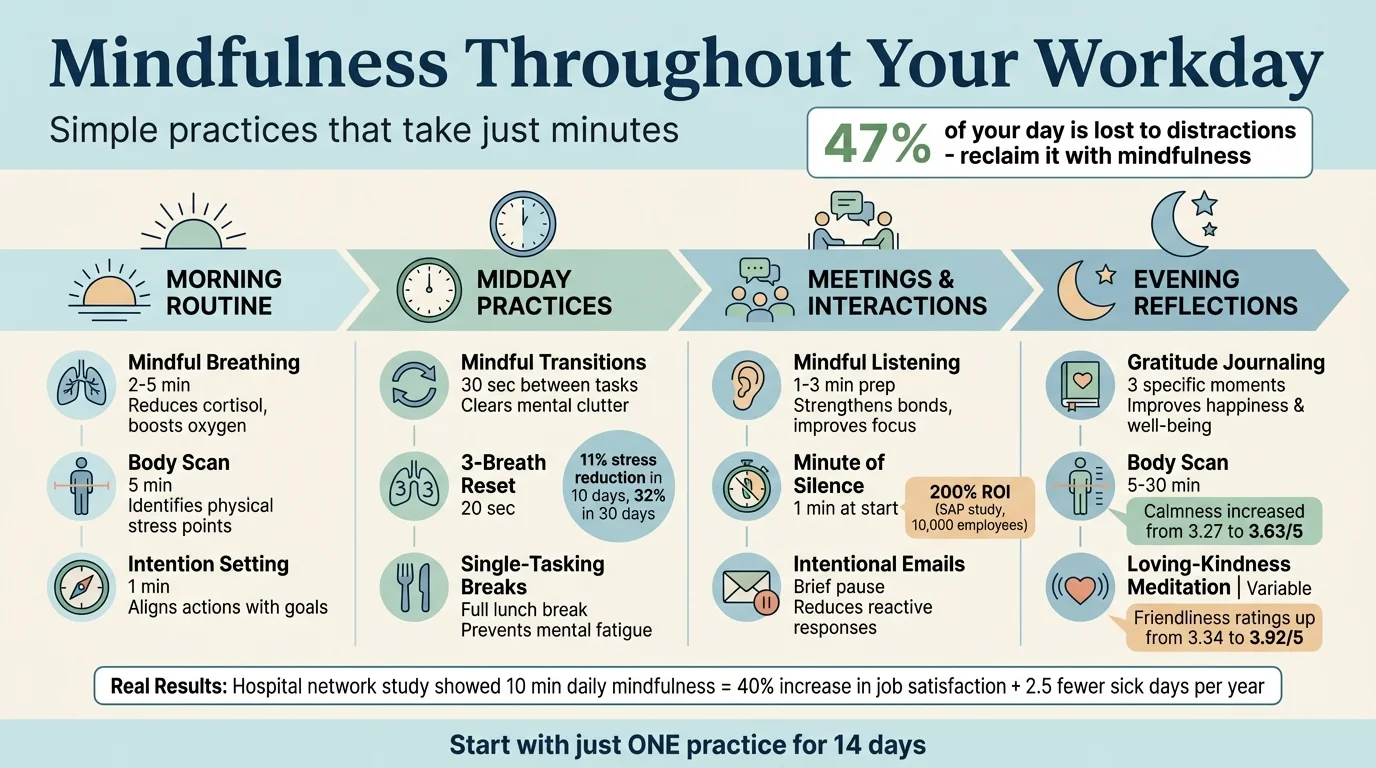
Keeping a simple journal of your evening habits can provide insight into what’s working and what isn’t. Reflecting on your experiences helps you notice patterns, like which activities truly help you unwind or which cause stress. Over time, this feedback allows you to fine-tune your routine for maximum benefit.
Journaling doesn’t have to be time-consuming – even a few sentences at the end of the day capture valuable information. It’s a mindful practice that deepens your awareness of your own needs.
Adapting Techniques Based on Personal Responses
Not every evening routine fits everyone perfectly. The key is to remain flexible and experiment with different practices until you find what feels right for you. You might discover that some days you need more quiet, while others call for more movement or social interaction.
Be patient with yourself as you adjust. Your routine should evolve naturally, responding to your lifestyle and changing circumstances. Giving yourself grace during this process ensures that your evening habits remain a source of comfort, not added pressure.


