

Introduction to Time Blocking and Procrastination
Understanding Procrastination: Causes and Consequences
Procrastination is more than just putting things off; it’s a complex behavior rooted in emotions like fear, overwhelm, or lack of motivation. At its core, procrastination often arises when tasks feel too large, unclear, or daunting. The consequences go beyond missed deadlines; chronic procrastination can lead to stress, reduced productivity, and a cycle of guilt that makes starting even harder.
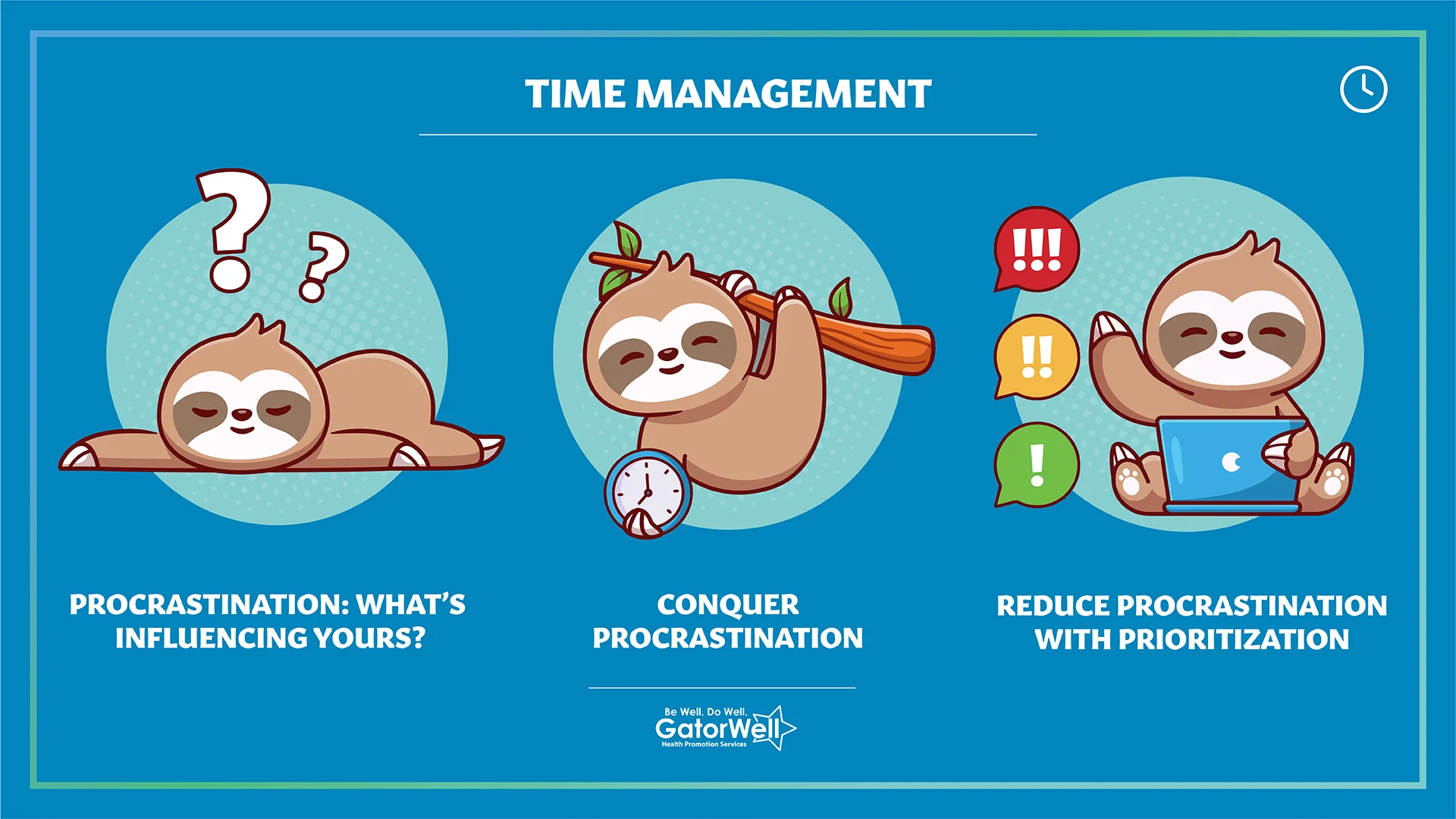
By recognizing why we procrastinate, we can seek practical strategies to regain control over our time. That’s where time blocking comes in as a powerful tool to help break this cycle.
What Is Time Blocking?
Time blocking is a scheduling method where you divide your day into set blocks of time, each dedicated to a specific task or group of tasks. Instead of working from a vague to-do list, you assign concrete periods for focused work, breaks, and personal errands. It’s essentially turning your intentions into actionable commitments on your calendar.
This technique encourages a clear structure for your day, reducing the mental load of deciding “what to do next” and helping you allocate appropriate time for all your obligations.
How Time Blocking Combats Procrastination
Procrastination thrives in unstructured time and unlimited choices. Time blocking combats this by creating firm boundaries—if 9 to 10 a.m. is set aside for writing, then that hour belongs to the writing task, no distractions allowed. These pre-planned slots lower decision fatigue, making it easier to start and maintain focus.
Additionally, blocking time for tasks you tend to avoid can gradually build momentum, while scheduling breaks prevents burnout, striking a balance that sustains productivity.
Preparing to Implement Time Blocking
Assessing Your Current Time Management Habits
Before diving into a new system, pause to reflect on how you currently spend your time. Are you frequently jumping between tasks? Do you often lose track of how your day passes? Awareness is key.
Try tracking your activities for a few days without changing anything. Jot down what you do and when. This insight highlights pockets of wasted time and helps you understand where procrastination commonly surfaces in your routine.
Identifying Your Most Common Procrastination Triggers
Everyone has certain triggers—specific tasks, feelings, or environments—that prompt procrastination. Maybe it’s starting the morning emails that scramble your focus or facing a complex project that feels overwhelming.
Knowing these triggers allows you to plan more deliberately. For example, blocking time for dreaded tasks when you’re most alert or breaking them down to smaller steps can make them less intimidating.
Step 1: Defining Clear and Specific Tasks
Breaking Down Large Projects into Manageable Pieces
Big projects can easily become stumbling blocks because their size is intimidating. One of the most effective ways to counter this is by breaking them into smaller, actionable tasks. Instead of “Write report,” try “Outline report sections” or “Draft introduction.”
Smaller chunks feel more doable and offer a sense of progress as you check completed items off your list. This clarity also makes it easier to assign precise time blocks to each piece.
Prioritizing Tasks for Maximum Productivity
It’s tempting to dive into easy or enjoyable tasks first, but prioritizing by importance and urgency makes a significant difference. Work through your task list and rank items based on deadlines, impact, and dependencies.
By scheduling important tasks earlier in your day or week, especially when your energy is highest, you’re less likely to procrastinate. This approach also helps prevent urgent tasks from sneaking up unexpectedly.
Step 2: Creating Your Time Blocking Schedule
Selecting Optimal Time Periods for Focused Work
Not all hours are equal when it comes to productivity. Identify when you naturally feel alert and creative, and reserve these periods for deep, focused work. For many, morning hours work well, but your ideal time might be different.
Be realistic about how long you can maintain concentration. It’s perfectly fine to schedule back-to-back blocks over an hour or two, but avoid overcommitting beyond your natural endurance.
Allocating Breaks and Buffer Times
Breaks are essential. Scheduling short pauses between blocks helps your brain recharge and reduces the risk of burnout. Buffer times act as cushions for overruns or unexpected interruptions, preventing schedule domino effects.
Including leisure and personal errands ensures your schedule is balanced and sustainable. If you neglect these, you might find yourself procrastinating during work blocks due to unmet personal needs.
Using Tools and Apps to Set Up Blocks
Digital calendars and time management apps make time blocking practical and flexible. Whether it’s Google Calendar, Outlook, or specialized tools like Notion, these platforms allow you to visually map your day and receive reminders.
Choose tools that fit your workflow and lifestyle, and don’t hesitate to adjust your system as you learn what works best.
Step 3: Executing and Adapting Your Time Blocks
Tips for Maintaining Focus During Blocks
Once a time block starts, commit fully. Avoid multitasking and stick closely to the assigned task. Small rituals like brewing tea or tidying your workspace before beginning can help signal your brain to focus.
If you complete a task early, use extra time to start the next one or take a short break. If unfinished, move remaining work to a future block rather than extending current time; this keeps your schedule clean and your priorities clear.
Dealing with Interruptions and Distractions
Distractions are inevitable. When they arise, gently redirect your attention back by checking your schedule. It helps to keep your calendar visible and accessible, so you can see what you planned and why your focus matters.
For unavoidable interruptions, adjust your blocks later rather than abandoning your structure altogether.
Adjusting Blocks Based on Experience and Feedback
No schedule is perfect on the first try. Review your calendar regularly to understand how you actually spend your time. Look for patterns—maybe some tasks require longer blocks, or certain times of day aren’t as productive.
Use these insights to tweak your blocks weekly, turning time blocking into a dynamic tool that evolves with your needs.
Advanced Strategies for Overcoming Procrastination With Time Blocking
Combining Time Blocking with the Pomodoro Technique
For those who struggle with maintaining focus over long blocks, blending time blocking with the Pomodoro Technique can be a game-changer. This method breaks work into 25-minute intervals with short breaks.
You can block a chunk of time for a task and then work within that block using Pomodoros. It provides structure while promoting sustained concentration and regular rest.
Incorporating Rewards and Accountability Mechanisms
Adding rewards after completing blocks or using accountability partners can enhance motivation. Knowing that you have a treat or someone checking in on your progress creates positive pressure to start and finish tasks.
Whether it’s a quick walk, a favorite snack, or a message to a colleague, integrating these elements keeps procrastination at bay by making work feel more engaging and supported.
Real-Life Success Stories
Case Study: Transforming Productivity Through Time Blocking
Consider Sarah, a freelance writer who struggled with deadlines and constant distractions. By dedicating Friday afternoons to map out her weekly blocks, she transformed her workflow. She broke large writing projects into outlines and drafts, scheduled focused writing blocks in her peak morning hours, and included regular breaks.
Within weeks, Sarah noticed she was completing work earlier, feeling less stressed, and even enjoying her leisure time more. The calendar wasn’t just a planner—it became a roadmap out of procrastination.
Common Pitfalls and How to Avoid Them

Despite its benefits, time blocking can falter if misused. Overbooking yourself sets unrealistic expectations and leads to frustration. Avoid this by starting with manageable blocks and building up.
Another issue is vague task descriptions in your calendar. Label blocks clearly and specifically to reduce the intimidation factor. Lastly, skipping breaks or neglecting personal time can cause burnout, so maintain balance for long-term success.
Conclusion
Summary of Key Steps to Overcome Procrastination
Overcoming procrastination with time blocking revolves around clarity and commitment. Begin by understanding your procrastination triggers and current time use. Break large tasks into bite-sized pieces, prioritize effectively, and create a realistic, balanced schedule. Execute with focus and adapt your blocks based on experience.
Encouragement to Start Time Blocking Today
Starting time blocking might feel like a big step, but it’s actually about taking small, intentional actions toward reclaiming your time. Don’t wait for the perfect moment. Set aside a few minutes right now to list your tasks, pick a tool, and block your first work period.
With consistent practice, time blocking turns procrastination from a hurdle into a challenge you actively overcome every day.


