

Understanding Humidity and Its Impact on Clothing Choice
How Humid Weather Affects Body Temperature
Humid weather creates a unique challenge for staying cool because the high moisture content in the air interferes with the body’s natural cooling mechanism—sweating. When humidity is high, sweat evaporates slowly, if at all, preventing the skin from cooling down efficiently. This often leads to increased body temperature and discomfort, making appropriate clothing choices crucial to maintaining a fresh, comfortable feel throughout the day.
The Science Behind Fabric Breathability
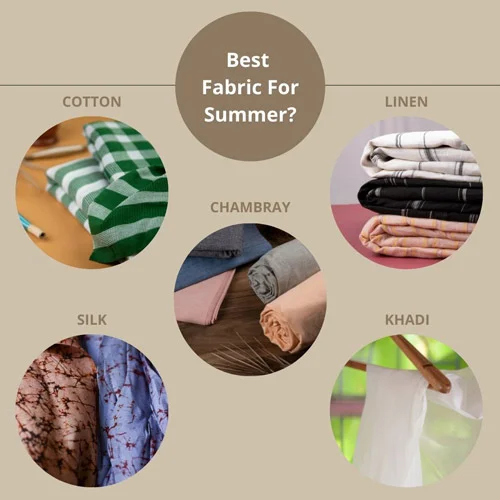
The breathability of a fabric refers to its ability to allow air and moisture to pass through it. Breathable fabrics help sweat evaporate more quickly, facilitating cooling. Fabrics with a loose weave or those that have textured surfaces tend to allow better airflow. Conversely, tightly woven or non-porous fabrics trap heat and moisture, amplifying discomfort in humid conditions. Understanding this mechanism helps in selecting fabrics that optimize comfort and air circulation.
Top Natural Fabrics for Summer Comfort
Cotton: The Classic Cool Companion
Cotton remains one of the most popular fabrics for hot weather due to its softness and breathability. However, not all cottons perform equally in humid conditions. Higher-quality, lightweight cottons typically offer better airflow and moisture absorption, making them ideal for summer wear. Despite being comfortable, cotton can retain moisture for extended periods, so it’s important to choose styles that don’t cling tightly to the skin to avoid a damp, sticky feeling.
Linen: Lightweight and Breathable
Linen is prized for its exceptional breathability and ability to wick moisture away from the body. Its loosely woven fibers facilitate excellent air circulation, making it a top choice for humid climates. However, pure linen wrinkles easily, which can affect its appearance. Blended linens, which combine linen with other fibers, reduce wrinkling while maintaining breathability, making them perfect for business or casual summer attire.
Bamboo: Sustainable and Moisture-Wicking
Bamboo fabric is gaining popularity due to its natural moisture-wicking properties and softness. It effectively pulls moisture away from the body, which helps keep the skin dry and cool. Additionally, bamboo is a sustainable resource, making it an eco-friendly option. Its smooth texture and breathability also contribute to comfort during humid summer days, particularly for those looking for alternatives to traditional fabrics.
Synthetic vs Natural Fabrics in Humid Climates
Pros and Cons of Synthetic Fabrics
Synthetic fabrics like polyester and nylon often get a bad reputation for hot weather, primarily because some trap heat and moisture against the skin. However, recent innovations have introduced moisture-wicking and quick-drying synthetic blends designed specifically for hot, humid environments. These fabrics excel in activities requiring strenuous movement, as they reduce sweat odor and provide UV protection. The downside is that they may not feel as soft or natural as cotton or linen for everyday wear.
Blends That Enhance Cooling Effect
Blended fabrics combine the best of both worlds by mixing natural fibers with synthetics. For example, cotton-polyester blends can retain breathability while adding durability and faster drying times. These blends often feature textured weaves or finishes that lift the fabric slightly off the skin, improving airflow and comfort. Choosing the lightest weight option among blends helps maximize cooling benefits without sacrificing style or appearance.
Tips for Choosing and Styling Summer Fabrics
Color and Pattern Choices That Reflect Heat
Colors play a surprisingly important role in how clothing affects body temperature. Light colors such as white, beige, and pastels reflect sunlight rather than absorbing it, reducing heat buildup. Patterns that incorporate lighter tones can also break up warmth accumulation. Dark colors, while fashionable, tend to absorb more heat and should be reserved for cooler parts of the day or settings with limited sun exposure.
Textures and Weaves That Maximize Airflow
Choosing fabrics with open weaves or textured surfaces creates natural air channels that lift the fabric off the skin and promote ventilation. Materials like seersucker or pique are excellent examples, as their puckered surfaces prevent the fabric from clinging directly to the body. Such textures allow air to circulate, enhance moisture evaporation, and significantly improve overall comfort on humid days.
Accessorizing to Complement Cool Fabrics
Accessories can elevate summer outfits while contributing to comfort and sun protection. Opting for a sun hat with a full brim shields the face and neck better than baseball caps, reducing heat exposure. Pairing moisture-wicking fabrics with loose, flowing clothing further facilitates breathability. Additionally, using cooling cloths around the neck or head can provide temporary relief, but they should be removed once no longer effective to prevent discomfort.
Innovative Fabrics Designed for Heat and Humidity
Advances in Moisture-Wicking Technology
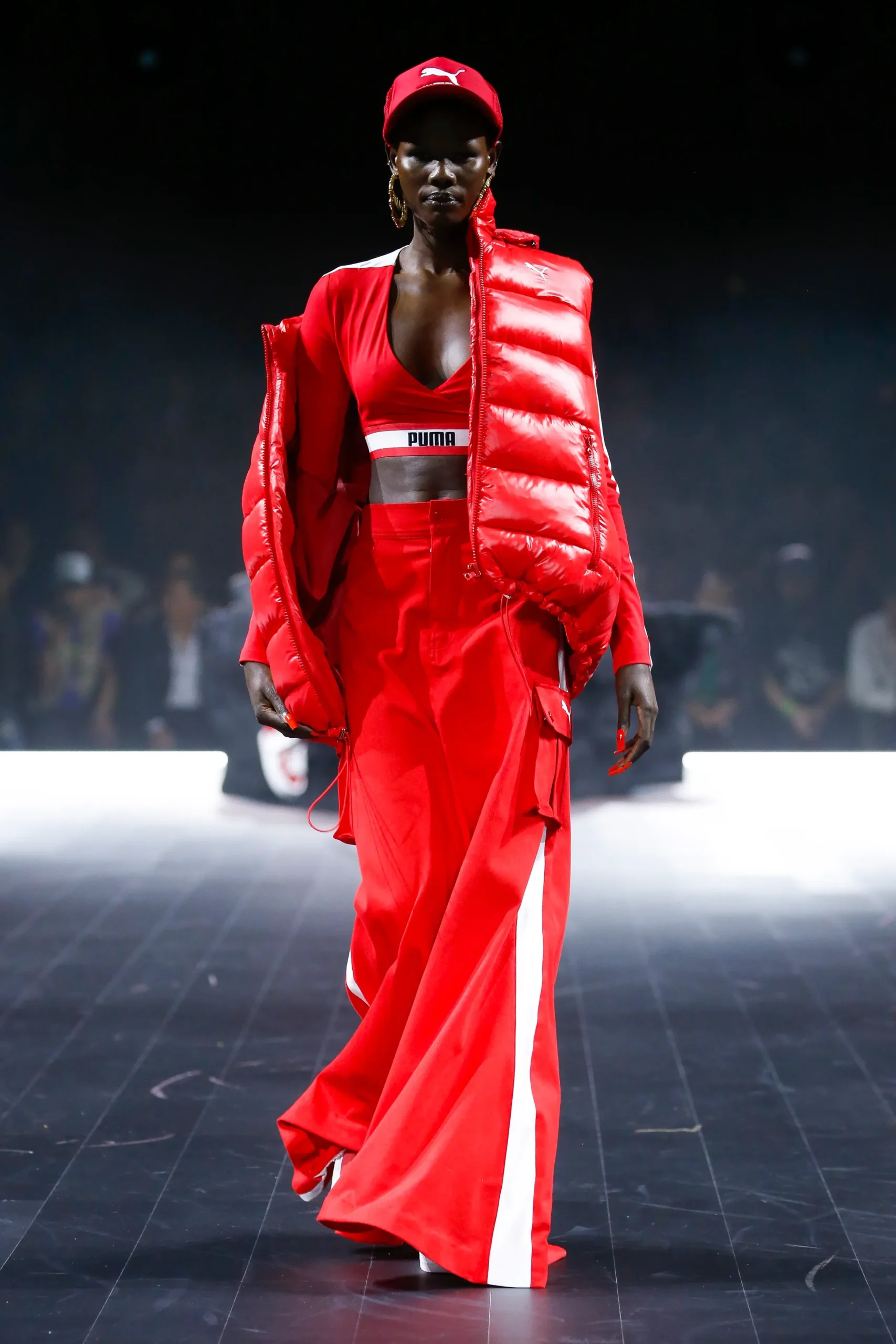
Modern fabric technologies have produced materials that go beyond traditional breathability. Moisture-wicking fabrics actively pull sweat away from the skin toward the fabric’s surface, where it can evaporate more quickly. These fabrics are often quick-drying and can include antimicrobial treatments to reduce odor, making them ideal for active wear in humid conditions. Choosing lightweight moisture-management options ensures maximum cooling without bulk.
Smart Fabrics and Their Benefits
Smart fabrics represent an emerging class of textiles that respond to environmental conditions. Some are engineered to enhance cooling when the wearer is hot and adjust insulation as temperatures fluctuate. Others incorporate UV-protective elements, combining comfort with health benefits. While still developing, smart fabrics offer promising solutions for those seeking both functionality and style during hot, humid summer days.
Conclusion: Combining Comfort with Style During Hot, Humid Days
Staying cool and fashionable in humid summer weather requires thoughtful fabric selection and styling strategies. Problems arise when fabrics trap moisture or heat, but understanding breathability and moisture management helps address these issues. Natural fabrics like cotton, linen, and bamboo provide excellent comfort, while modern synthetics and blends offer performance advantages for active lifestyles. Pairing these fabrics with appropriate colors, textures, and accessories enhances both comfort and style. By balancing practicality with aesthetics, you can enjoy effortless coolness and confidence even on the hottest, most humid days.


