

Why Choose Energy-Efficient Upgrades for Your Home?
Environmental and Financial Benefits
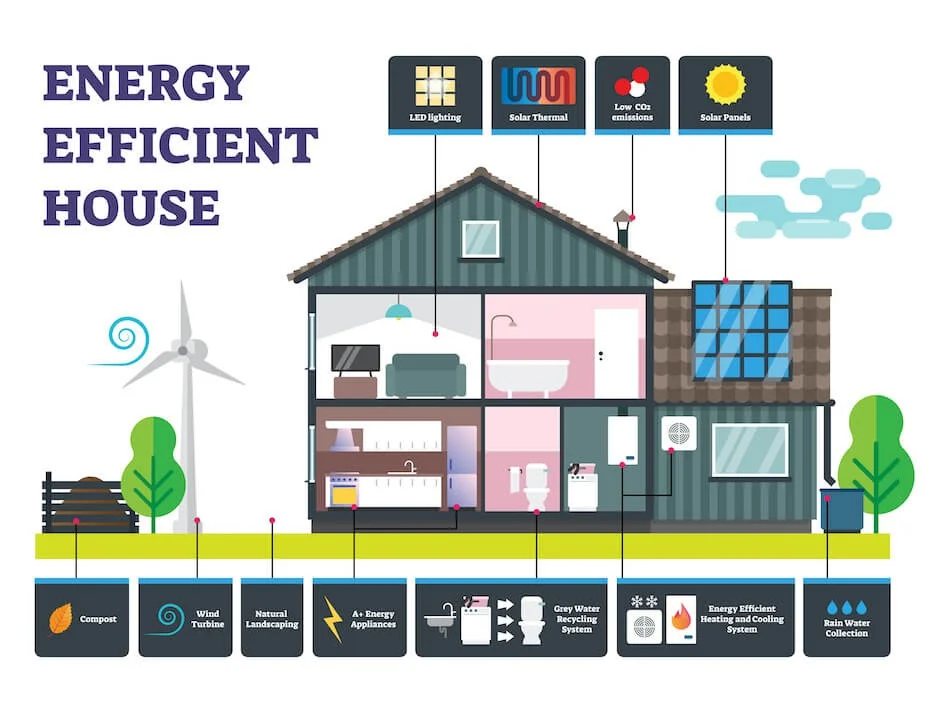
Imagine a chilly winter morning where your home stays warm and cozy without your heating system working overtime. Energy-efficient upgrades make this scenario possible by minimizing wasted energy. These upgrades, from better insulation to efficient lighting, reduce your household’s carbon footprint, contributing positively to environmental conservation. On the financial side, lower energy consumption directly means reduced utility bills. For instance, homeowners have reported cutting their heating and cooling costs by nearly half after sealing air leaks and upgrading insulation, which transforms comfort and saves money simultaneously.
Impact on Home Value
Energy efficiency is becoming a top priority for homebuyers. Consider a story of a family who sold their newly renovated home last year; the energy-efficient improvements they invested in were highlighted during showings, attracting more offers and increasing the home’s market value. Studies show that energy-efficient homes are preferred by 9 out of 10 buyers, and these upgrades can raise a property’s value while making it more appealing in competitive markets. Beyond resale value, such enhancements boost long-term home comfort and air quality, benefits that resonate with both current residents and prospective buyers.
Budget-Friendly Energy-Efficient Renovation Ideas
Insulation Improvements That Save Big
One of the most impactful yet cost-effective improvements is upgrading your home’s insulation. Before rushing into the project, it’s wise to check your attic’s current insulation levels. Often, older homes have insufficient or degraded insulation, leading to significant heat loss. Hiring a professional contractor to add proper insulation and perform air sealing prevents common mistakes like trapped moisture, which can lead to mold. Many homeowners notice that these relatively affordable upgrades drastically reduce energy waste, with Energy Star estimating that 25-40% of heating and cooling energy is lost through air leaks.
Installing Energy-Star Rated Windows and Doors
Replacing outdated windows and doors with Energy Star-rated ones can make a noticeable difference in your home’s energy consumption. Sarah, a homeowner from Ohio, decided to phase in these replacements over several years. She found that tightening these thermal boundaries kept her home warmer in winter and cooler in summer, slashing her energy bills. While upfront costs may seem high, the long-term savings and increased home comfort are undeniable. Plus, many local programs offer discounts, making it easier to afford these upgrades over time.
Switching to LED Lighting Solutions
Often overlooked, lighting changes offer immediate benefits without breaking the bank. By switching to LED bulbs throughout the home, you reduce energy use significantly since LEDs consume up to 75% less energy than traditional incandescent bulbs. Maria, a renter who wanted to improve her apartment’s efficiency, simply replaced all her bulbs and noticed a drop in her electricity bill within a month. Beyond savings, LEDs last longer, cutting replacement frequency and waste, making this a quick and practical step for virtually any homeowner or renter.
Smart Thermostats and Heating Systems
Affordable Smart Thermostat Options
Smart thermostats are not just for tech enthusiasts; they are budget-friendly tools that optimize heating and cooling based on your daily routine. Tom, a father of two, installed a basic smart thermostat that learns their schedule and adjusts temperatures when the house is empty or everyone is asleep. This automated control prevented energy waste and improved comfort. Many models now come with accessible price points and simple installation guides, helping homeowners take control without the need for costly upgrades.
Upgrading to Efficient HVAC Systems on a Budget
Turning to your heating, ventilation, and air conditioning system might seem daunting due to costs, but there are budget-conscious strategies. For instance, rather than replacing an entire system, consider upgrading specific components such as programmable thermostats or high-efficiency air filters. Liam’s experience in renovating his older home involved adding a heat pump system, which, though requiring initial investment, significantly cut his heating bills and qualified him for local rebate programs. Planning and seeking expert advice can uncover similar opportunities tailored to your budget.
Water Heating Efficiency Tips
Tankless Water Heaters vs. Traditional Models
A common energy drain is water heating, but switching to tankless water heaters offers a practical solution. Unlike traditional storage tanks that heat large volumes of water continuously, tankless models heat water on demand, reducing standby energy loss. Rachel upgraded her family home with a tankless system and saw both energy savings and endless hot water supply—a big plus for a household with multiple occupants. While installation costs are higher upfront, the long-term savings and space efficiency make it worth considering.
Simple Fixes for Reducing Water Heater Energy Use
If a full system replacement isn’t feasible, small changes can still impact energy use. Wrapping your water heater and insulating hot water pipes are inexpensive steps that prevent heat loss. Another tip is lowering the thermostat on your water heater to 120 degrees Fahrenheit, reducing energy consumption without sacrificing comfort. These practical adjustments, much like those Michael applied in his first home, often yield noticeable savings with minimal investment.
DIY Energy Efficiency Upgrades
Sealing Air Leaks and Drafts

Addressing air leaks is a manageable DIY project that brings substantial benefits. Simple actions like installing weatherstripping around doors, using caulk on window frames, and sealing gaps in the attic reduce unwanted drafts. However, homeowners should be cautious; improper sealing can trap moisture and lead to other problems. For instance, Jenna learned the hard way that some areas require professional attention to avoid issues. Starting with easy fixes and consulting experts when needed can save energy and prevent costly mistakes.
Window Treatments for Better Insulation
Adding thermal curtains or insulated blinds is an affordable way to improve window insulation. These treatments create a barrier against heat exchange, helping maintain indoor temperatures. In a rental apartment, Marcus installed thermal curtains during winter months and noticed his heating system worked less frequently. Such DIY solutions are flexible and reversible, making them ideal for those who want immediate comfort improvements without extensive renovation.
How to Prioritize Upgrades Based on ROI
Assessing Cost vs. Energy Savings
When planning your energy-efficient renovations, balancing upfront costs against long-term savings is essential. For example, replacing a single window may improve insulation, but air sealing an entire attic often provides a greater return on investment through significant energy waste reduction. Evaluating each upgrade’s expected savings helps homeowners allocate funds strategically, avoiding overspending on improvements with marginal impact.
Creating a Phased Renovation Plan
It’s common to tackle energy upgrades in phases rather than all at once. Prioritize projects that offer immediate benefits and complement future improvements. For instance, starting with air sealing and insulation can prepare your home for more advanced HVAC upgrades later. Following this staged approach, Linda was able to spread costs over two years while steadily enhancing her home’s energy performance. Leveraging expert guidance or programs like those offered by Sealed can simplify planning and provide flexible payment options, making the journey towards an energy-efficient home manageable and effective.


