

Understanding the Essentials of Packing Light
Why Packing Light Matters for International Travel
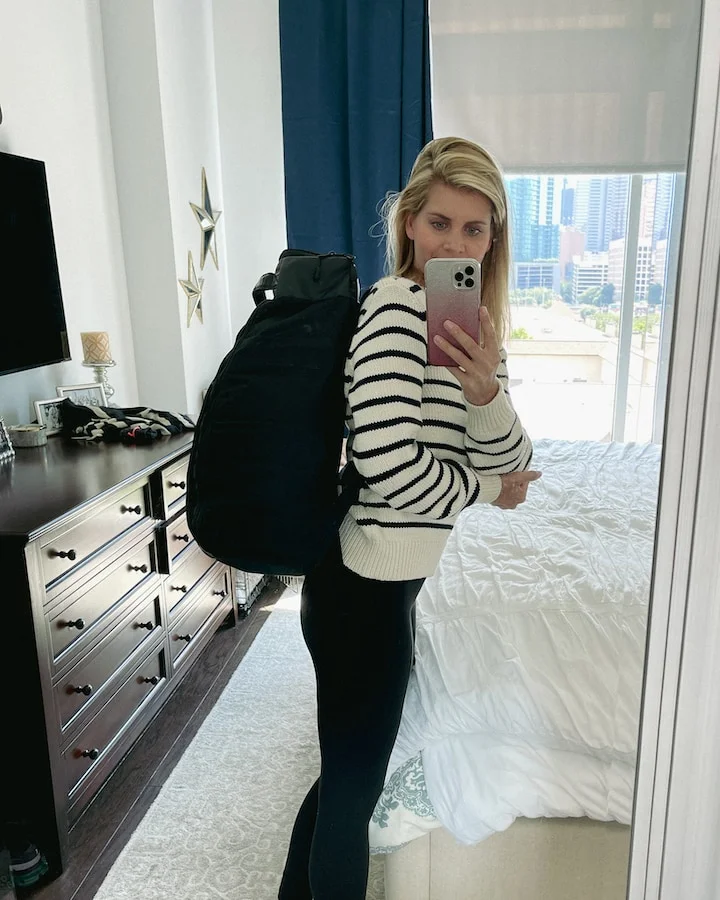
Packing light is more than just a trend; it is a practical approach that significantly simplifies international travel. Carrying only what you truly need reduces the physical and mental burden during your journey. It allows you to move quickly through airports, avoid checked luggage delays, and maintain flexibility in transit. For a two-week trip, where varied climates and activities are common, packing light ensures you stay comfortable without being weighed down.
Benefits Beyond Convenience
Beyond ease of movement, traveling light saves money by avoiding baggage fees and enables cheaper transportation options, such as budget airlines or public transit. It also lessens environmental impact by reducing fuel consumption associated with heavier luggage. Mentally, a lighter bag lowers travel stress by keeping your belongings close and accessible, minimizing the risk of lost luggage or theft. Physically, it prevents strain and frees your hands, making your travels more enjoyable.
Planning Your Wardrobe Smartly
Choosing Versatile Clothing Pieces
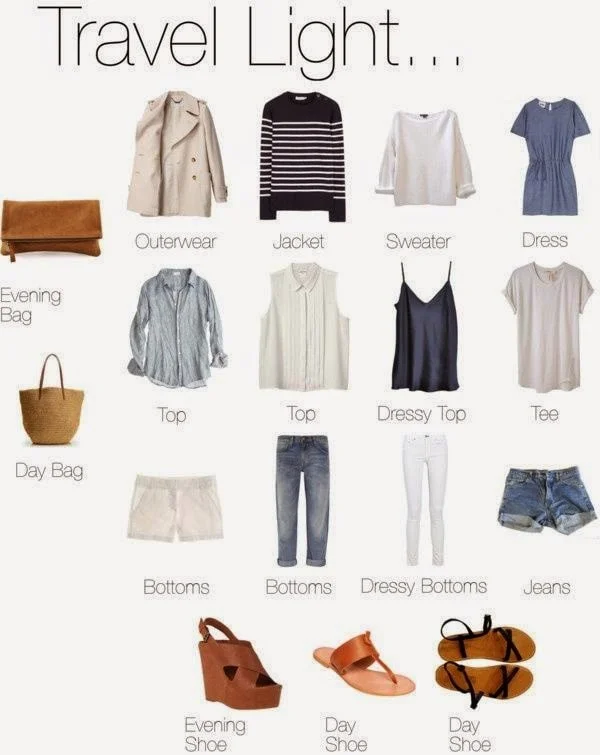
Smart wardrobe planning is crucial for packing light. Focus on neutral colors and simple patterns to ensure all pieces can mix and match easily. For two weeks, include about three pairs of pants or trousers, with one pair of jeans reserved for travel days and cooler environments. Plan around the formula where the number of tops is roughly double the number of bottoms. This approach simplifies outfit selection and reduces excess items.
Layering Techniques for Different Climates
Layering is an effective strategy to adapt to fluctuating temperatures and diverse weather conditions. Choose clothing made from materials like Merino wool or smartwool, which manage moisture and temperature well. Pack a lightweight sweater or hoodie, a wind or rain jacket, and consider scarves even for summer travel to Europe. Layering allows you to adjust your outfit without overpacking bulky items and keeps you prepared for unexpected weather changes.
Creating a Packing Checklist
Must-Have Travel Accessories
Essential accessories contribute to a comfortable and practical packing list. Limit items such as necklaces, earrings, bracelets, and rings to a few versatile metallic pieces, which coordinate easily with all outfits. Don’t forget scarves for style and warmth, a cap or hat for sun protection, and swimwear if your destination includes water activities. Including slip or camisole items helps when wearing sheer clothing without adding bulk.
Tech and Gadget Essentials
For modern travelers, bringing the right tech is essential but should be minimal to avoid unnecessary weight. Prioritize a smartphone and charger, optionally a travel adapter, and any necessary charging cables. Consider a digital luggage scale to keep track of your bag weight before heading to the airport. Avoid overpacking gadgets that will rarely get used to save space and weight.
Efficient Packing Techniques
Roll vs Fold: What Works Best?
Rolling clothes is often more space-efficient and helps reduce wrinkles compared to traditional folding. However, delicate items or structured clothing may benefit from careful folding to maintain shape. Experiment with both methods to find what suits your clothing and luggage best. The key is to maximize space while keeping garments in good condition throughout your trip.
Utilizing Packing Cubes and Compression Bags
Packing cubes are invaluable for organizing clothes and accessories. They separate items by type or outfit, making it easier to find what you need without unpacking everything. Compression bags save space by squeezing air out of bulky clothing, perfect for sweaters or jackets. These tools help maintain order and minimize the urge to overpack by creating a visual limit to your belongings.
Weight Management Strategies
Maximizing Carry-On Allowances
Setting a personal carry-on weight goal, such as 5kg or 7kg, encourages careful selection of items. Choose carry-on-sized luggage, approximately 35-40 liters, to physically limit the amount you pack. Keeping your bag with you reduces the risk of damage or loss. Maintaining a manageable weight also conserves your energy, allowing more enjoyment in exploring new destinations.
Tips for Avoiding Overpacking
Resist packing items “just in case,” as these often go unused and add unnecessary weight. Tailor your list to your destination’s culture, weather, and planned activities to avoid excess. Avoid multiple large bags that increase mental load and complicate transport. Relying solely on checked luggage can risk lost bags, so prioritize essentials in your carry-on. Finally, avoid last-minute packing to prevent rushed decisions that lead to overpacking.
Final Preparations Before Departure
Double-Check Your Essentials
Before leaving, review your checklist to ensure you have everything important without excess. Verify travel documents, health essentials, and weather-appropriate clothing. Confirm tech gadgets and chargers, and keep items easy to access during transit. A final weight check with a luggage scale helps avoid surprises at the airport and ensures compliance with airline restrictions.
Tips for Staying Organized Throughout Your Trip
Maintain organization by using packing cubes to redistribute items after laundry or shopping. Keep a minimalist mindset when acquiring souvenirs or local gear, considering renting specialist equipment locally instead of bringing your own. Staying organized helps keep your packing light on return journeys and reduces travel stress, letting you focus on enjoying your international adventure.


