

Understanding Self-Care and Productivity
Defining Self-Care in a Busy Lifestyle
Self-care often gets tossed around as a trendy buzzword, but at its core, it’s about intentionally taking time to nurture your mental, emotional, and physical well-being. In today’s fast-paced world, carving out moments for self-care feels almost impossible. Between deadlines, meetings, and daily responsibilities, many people view self-care as a luxury rather than a necessity. But recognizing that it’s a vital part of maintaining balance rather than an indulgence is the first step toward making it a realistic aspect of a busy lifestyle.
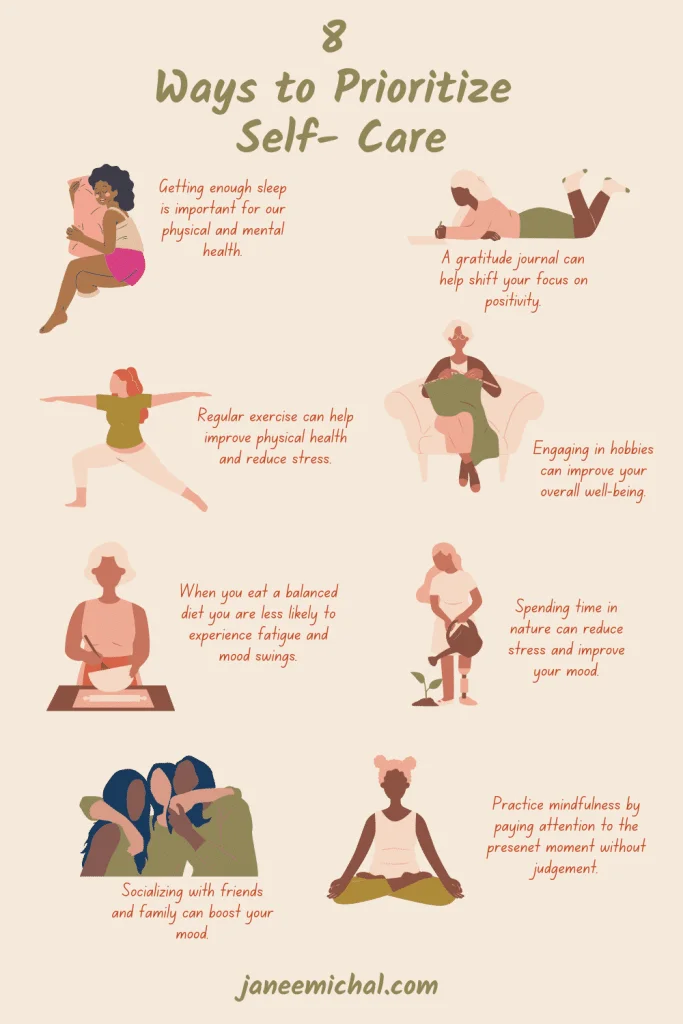
Self-care doesn’t have to mean long spa days or elaborate rituals. It often looks like small, simple actions that recharge your energy. Whether it’s pausing to savor a cup of tea, taking a brief walk, or jotting down thoughts in a gratitude journal, these moments matter. Understanding what self-care means to you personally transforms it from a vague concept to a practical, everyday practice.
The Relationship Between Self-Care and Work Efficiency
Contrary to the common assumption that self-care cuts into productivity, it’s actually a critical driver of it. When you regularly take time to replenish your physical and mental resources, you bring more focus, creativity, and energy to your work. Without adequate self-care, exhaustion and stress build up, leading to burnout and reduced efficiency.
Think of self-care as the foundation that supports your capacity to perform well. When you’re well-rested, nourished, and emotionally balanced, it’s easier to tackle challenges and maintain a steady workflow. In this way, self-care and productivity don’t compete—they complement each other.
Common Challenges When Balancing Self-Care and Productivity
Time Management Issues
One of the biggest obstacles to prioritizing self-care is the feeling of not having enough time. When your schedule is packed, adding anything new can feel overwhelming, and self-care often gets pushed to the bottom of the list. The key challenge is recognizing that self-care doesn’t require large blocks of time. Even small, intentional breaks can provide meaningful benefits if planned well.
Another difficulty is the tendency to underestimate how much time basic self-care practices actually need. Many people hesitate to take short walking breaks or pause for relaxation because they believe it’s inefficient or will derail their schedule. Overcoming this requires shifting the mindset to see these moments as investments in your overall productivity.
Psychological Barriers to Prioritizing Self-Care
Beyond logistics, psychological barriers often hold people back. Guilt for taking time away from work, feelings of selfishness, or the belief that self-care doesn’t really matter can prevent you from embracing these habits. Stressful periods, in particular, tend to amplify these doubts, making it harder to slow down even when it’s needed most.
Recognizing these internal roadblocks is essential. Self-care is not a sign of weakness or laziness; it’s a proactive way to maintain your well-being and prevent burnout. Being kind to yourself during demanding times and seeking support if needed can help dismantle these barriers over time.
Strategies to Integrate Self-Care into a Productive Routine
Micro Self-Care Practices During Work Hours
You don’t have to block out hours to practice self-care. Small moments woven throughout the day can have a cumulative effect. For instance, taking 15-minute walking breaks refreshes your mind and gets your body moving. Even brief pauses to focus on your breath or listen to favorite music can lower stress and boost mood.
Bringing full attention to routine activities, like savoring your coffee or appreciating the view from a window, helps you find pleasure in the ordinary. This mindfulness element enriches everyday experiences and provides a mental reset without disrupting your workflow.
Incorporating quick mood-lifting activities daily, from stretching to enjoying a nutritious snack, supports sustained energy. Simple choices like nibbling on trail mix or drinking water with fresh lemon juice keep your body fueled and your mind alert.
Using Technology to Support Both Well-being and Efficiency
Technology can be a helpful ally in balancing self-care and productivity. Apps designed for guided meditation, such as Headspace or Evermind, make it easy to fit relaxation into your day, even if you only have a few minutes. These tools provide structure and reminders that encourage you to pause and reset.
Time-tracking apps also help by showing how you spend your day. This insight enables you to allocate time intentionally, ensuring self-care moments aren’t overlooked. Setting gentle alarms for breaks can create a rhythm that balances exertion with rest.
Creating a Personalized Self-Care Plan That Enhances Productivity
Assessing Your Energy Levels and Productivity Peaks
One size does not fit all when it comes to self-care. The first step in creating an effective plan is to tune into your natural rhythms. You might notice that your energy peaks mid-morning but dips in the afternoon, or that certain tasks drain you more than others. Being aware of these patterns allows you to schedule self-care moments strategically.
For example, if you tend to feel sluggish after lunch, a short walk or a few minutes of meditation can help refresh you for the rest of the day. Identifying when you are most productive also helps you protect those windows and plan less demanding tasks around lower-energy times.
Scheduling Self-Care Moments for Maximum Impact
Once you understand your energy patterns, intentionally placing self-care throughout the day is key. It might mean scheduling a 10-minute gratitude reflection in the evening or dedicating time for a hobby that puts you in a flow state each week. These scheduled moments become non-negotiable opportunities to recharge rather than optional extras.
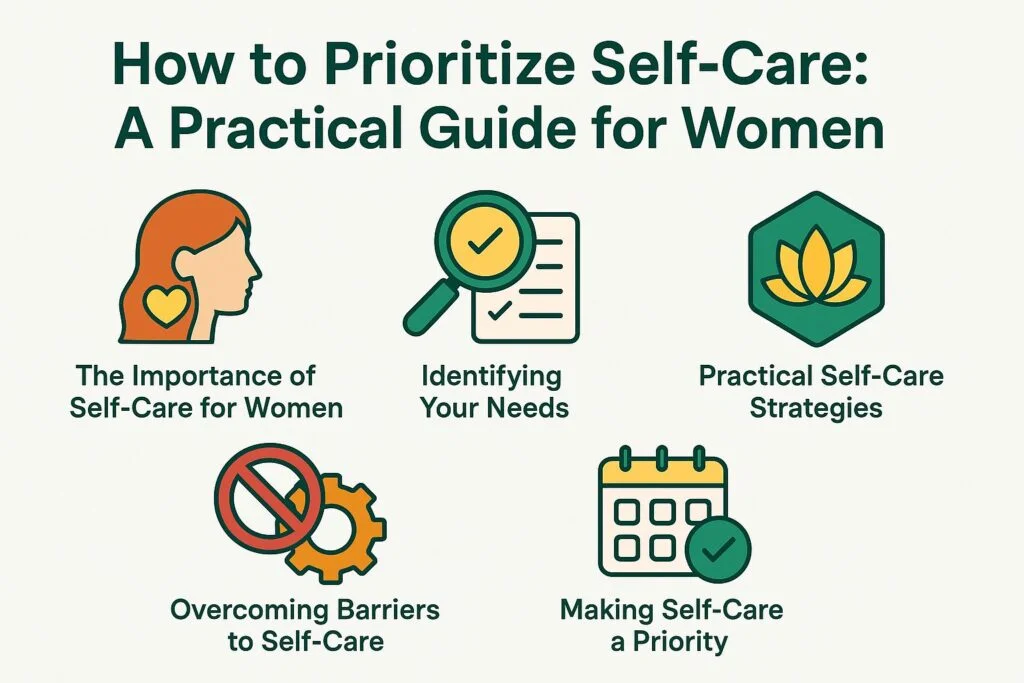
Balancing exertion with relaxation creates a sustainable work routine. Remember, self-care is not about perfection but about regular prioritization that enhances your health and productivity. By adjusting your plan according to changing needs, you maintain flexibility without losing focus on your well-being.
Case Studies: Successful Self-Care and Productivity Integration
Examples from Different Professions
Consider a teacher who integrates self-care by taking mindful breathing breaks between classes and engaging in a calming hobby each evening. This approach helps manage stress from a demanding schedule and increases patience and focus with students.
Similarly, a software developer might schedule walking breaks during coding sessions, use meditation apps before starting work, and keep healthy snacks at hand. These small habits reduce fatigue and improve creativity, leading to higher quality output.
Entrepreneurs often balance intense workloads by setting clear boundaries, such as turning off work notifications after certain hours and dedicating mornings to physical activity. These boundaries prevent burnout and preserve motivation over the long haul.
Lessons Learned and Best Practices
Across these varied examples, common themes emerge. Successful integration of self-care with productivity relies on customizing practices to individual needs and schedules. Consistency, even if brief, tends to be more effective than irregular or lengthy episodes.
Another key insight is the importance of mindset. Viewing self-care as a productivity tool rather than a distraction changes how you value these moments. Flexibility to adapt plans during particularly stressful periods also helps maintain momentum without guilt.
Tools and Resources to Support Balanced Self-Care
Apps for Mindfulness and Time Tracking
Technology offers many resources to foster balanced self-care. Mindfulness apps like Headspace and Evermind provide guided meditation exercises that help you unwind and stay present, even during a packed day. These tools are particularly useful for beginners or those needing structure to develop new habits.
On the productivity side, time-tracking apps reveal how you allocate hours and highlight opportunities to insert self-care breaks. By seeing patterns clearly, you can better manage your workflow and downtime.
Books and Courses to Deepen Your Understanding
For those looking to delve deeper, numerous books and courses explore the intersection of self-care and productivity. These resources often share practical techniques, scientific research, and inspirational stories that motivate sustained change. They can offer fresh perspectives that help you refine your own approach and build resilience.
Ultimately, a combination of personalized daily practices, supportive technology, and ongoing learning equips you to maintain well-being without sacrificing your goals. Embracing self-care as an essential part of your routine ensures that productivity becomes sustainable and fulfilling.


