

Understanding Sleep Quality
What Defines Good Sleep?
Good sleep is not just about the number of hours spent in bed but the overall quality of rest achieved. It involves reaching the deeper stages of sleep where the body and mind can fully rejuvenate. During these phases, essential processes such as memory consolidation and tissue repair occur, helping you wake up feeling refreshed and alert. Quality sleep also means experiencing minimal interruptions and maintaining a consistent sleep pattern that aligns with your body’s natural rhythms.
Common Factors Affecting Sleep Quality
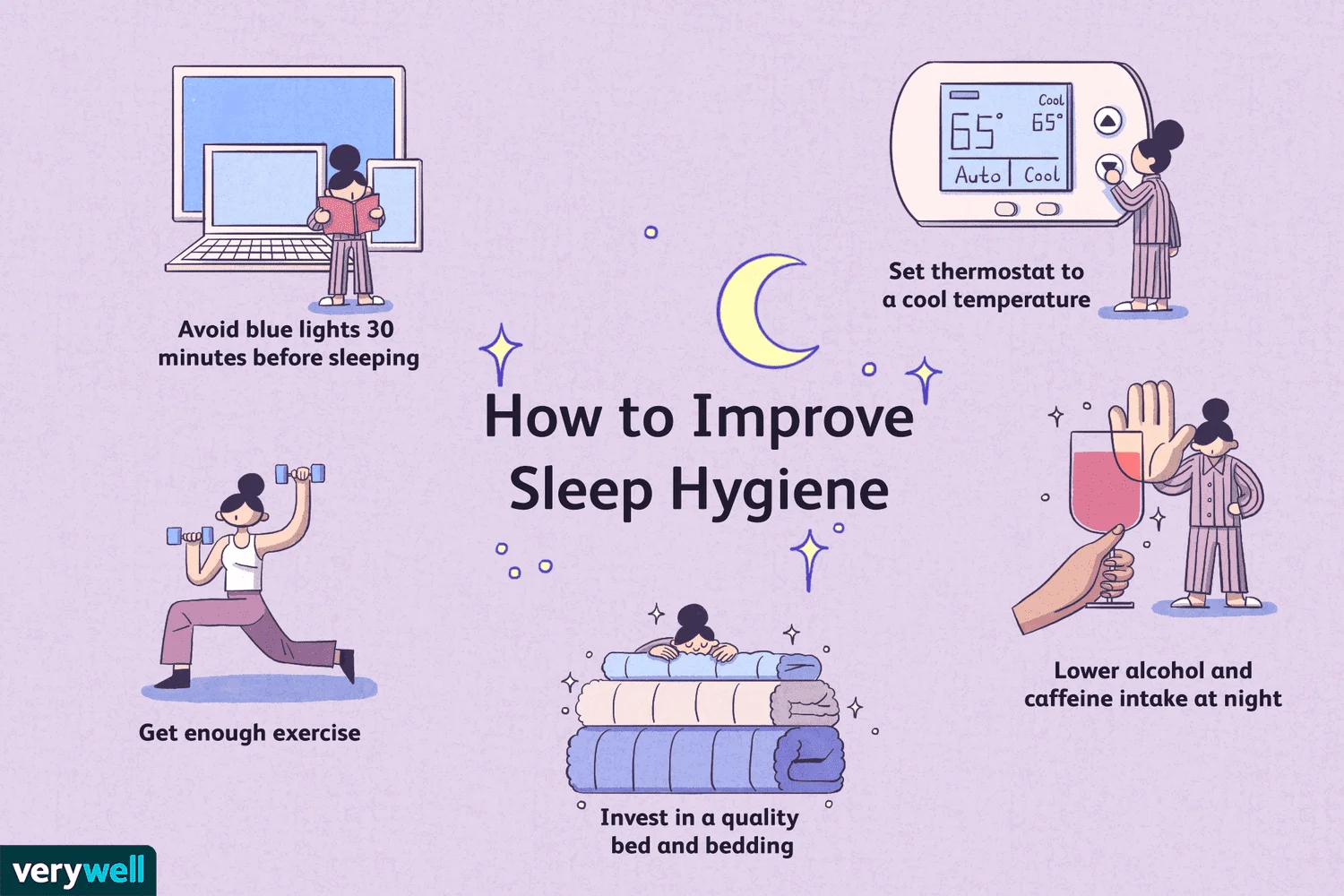
Several elements impact how well you sleep each night. Stress and anxiety can cause restless nights, while environmental distractions like noise, light, and temperature play a significant role. Consuming caffeine or nicotine late in the day, irregular sleep schedules, or using electronic devices close to bedtime may interfere with the ability to fall asleep. Understanding these influences helps in making conscious adjustments to encourage better sleep.
Morning Rituals to Enhance Nighttime Rest
Importance of Morning Sunlight Exposure
Exposure to natural light first thing in the morning is a powerful way to reset your internal body clock, known as the circadian rhythm. Morning sunlight signals to your brain that it’s time to be alert and awake, which later assists in regulating melatonin production as evening approaches. This helps prepare your body to wind down and sleep when it’s dark, fostering more natural and restorative sleep cycles.
How Early Hydration Impacts Sleep Patterns
Starting your day with water supports many bodily functions, including circulation and temperature regulation, both of which influence sleep quality. Proper hydration helps maintain balance in the body’s systems, contributing to a stable sleep-wake cycle. However, it is important to balance hydration throughout the day without excessive fluid intake close to bedtime, which could lead to nighttime awakenings.
Daily Activities That Promote Better Sleep
Physical Exercise and Its Ideal Timing
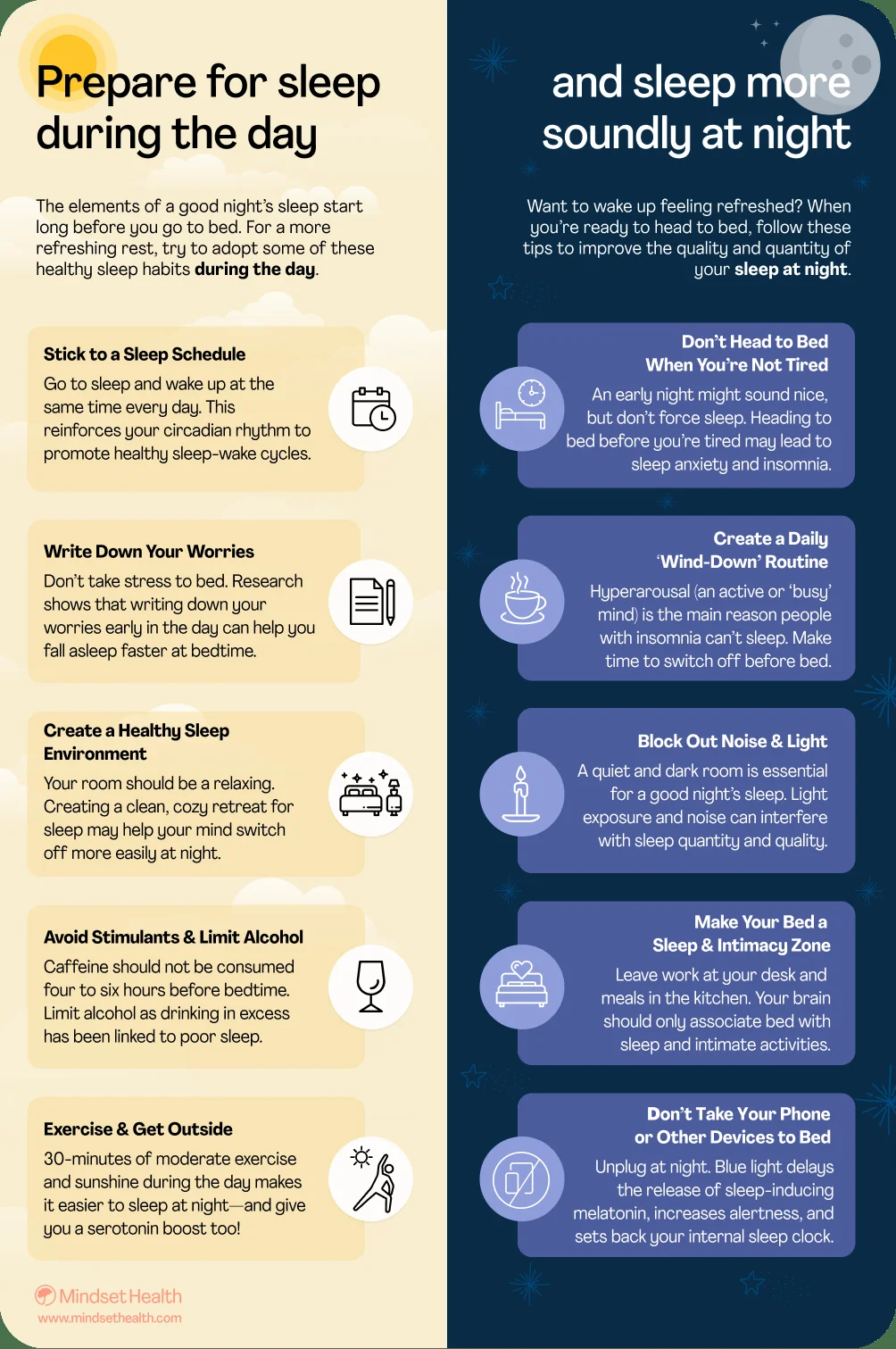
Engaging in regular physical activity is known to improve sleep quality by reducing stress levels and promoting deeper stages of rest. However, timing matters; exercising too close to bedtime may increase heart rate and body temperature, making it harder to fall asleep. Ideally, moderate exercise earlier in the day or in the late afternoon helps the body relax later in the evening.
Mindfulness Practices for Evening Calm
Incorporating mindfulness techniques such as meditation or breathing exercises during the evening can help ease the mind and prepare the body for restful sleep. Slowing down the mental chatter and focusing on relaxation aids in reducing the effects of worry and stress accumulated during the day. This creates a smooth transition into sleep without the interference of racing thoughts or anxiety.
Nutrition Habits for Restful Nights
Foods That Support Sleep
Certain foods naturally encourage relaxation and sleepiness by providing nutrients like magnesium, calcium, and tryptophan, which are linked to the production of sleep-regulating hormones. Incorporating items like nuts, seeds, dairy, and whole grains can be beneficial when consumed thoughtfully throughout the day. It’s important to recognize which foods have a calming effect and to avoid stimulants that might disrupt sleep.
Timing Meals for Optimal Sleep Cycle
The timing of your meals plays a crucial role in sleep quality. Eating large or heavy meals close to bedtime can strain the digestive system, potentially causing discomfort or indigestion that interferes with falling asleep. Ideally, it’s best to finish eating at least a few hours before bed and opt for lighter snacks if needed in the evening. This approach supports the body’s natural preparation for rest.
Optimizing Your Sleep Environment
Setting the Perfect Bedroom Temperature
The temperature of your sleeping space significantly affects comfort and sleep quality. A room that is too warm or too cold can cause restlessness and awakenings. Most people sleep best in a slightly cool environment, usually between 60 to 67 degrees Fahrenheit, because the body’s core temperature naturally drops during sleep. Experimenting with temperature settings helps find what works best for individual comfort.
Choosing Comfortable Bedding and Pillows
Comfortable bedding supports proper spinal alignment and reduces pressure points during sleep. Selecting pillows that suit your sleeping position and mattress that provides adequate support can prevent discomfort and interruptions. Paying attention to these details contributes to longer and more refreshing sleep periods by minimizing physical disturbances.
Technology and Sleep: Managing Screen Time
Effects of Blue Light on Melatonin Production
Exposure to blue light emitted by smartphones, computers, and TVs can disrupt the body’s natural production of melatonin, the hormone responsible for sleep regulation. This interference makes it harder to feel sleepy at the right time and can delay the onset of sleep. Being mindful of screen use, particularly in the hour before bedtime, aids in preserving the natural sleep-wake rhythm.
Creating a Screen-Free Wind-Down Routine
Establishing a calming pre-sleep routine without electronic devices helps signal to the brain that it’s time to relax. Engaging in activities such as reading a book, listening to soothing music, or practicing gentle stretches can ease the transition from wakefulness to sleep. This deliberate approach minimizes stimulation and supports a smoother path to restful slumber.
Exploring Natural Sleep Aids
Herbal Teas and Supplements
Herbal teas like chamomile or valerian root have long been associated with promoting relaxation and sleepiness. While they may aid in creating a calming bedtime ritual, individual responses vary, and it’s important to approach them as part of a broader sleep improvement plan. Exploring various natural options can help discover what feels most soothing and effective personally.
Breathing Exercises and Relaxation Techniques
Techniques such as deep breathing, progressive muscle relaxation, and guided imagery activate the body’s parasympathetic nervous system, which promotes calmness and prepares the body for sleep. Practicing these methods consistently in the evening can reduce physical tension and mental stress, making it easier to fall asleep without frustration or restlessness.


