

Understanding Flare-Ups on a Charcoal BBQ
What Causes Flare-Ups During Grilling?
Flare-ups on a charcoal BBQ happen when fat or oil drips onto the hot coals or flames, igniting sudden bursts of fire. This rapid ignition can cause flames to leap up unexpectedly, disrupting the cooking process and potentially burning the food. Flare-ups not only pose a risk to the food’s texture and flavor but can also be hazardous if not managed properly. Understanding their root cause is essential for any griller aiming for control and consistency.
Why Fatty Meats Are Prone to Flare-Ups
Fatty meats naturally release more grease as they cook, which easily drips down onto the charcoal, creating flare-ups. Higher fat content means more frequent and intense flames, making fatty cuts like ribs, pork shoulder, and certain steaks especially susceptible. While fat enhances flavor and juiciness, it also requires careful handling to prevent fires that could overcook or damage the meat. Recognizing this challenge is key to successful grilling.
Preparing Your Charcoal Grill to Minimize Flare-Ups
Choosing the Right Charcoal and Setup
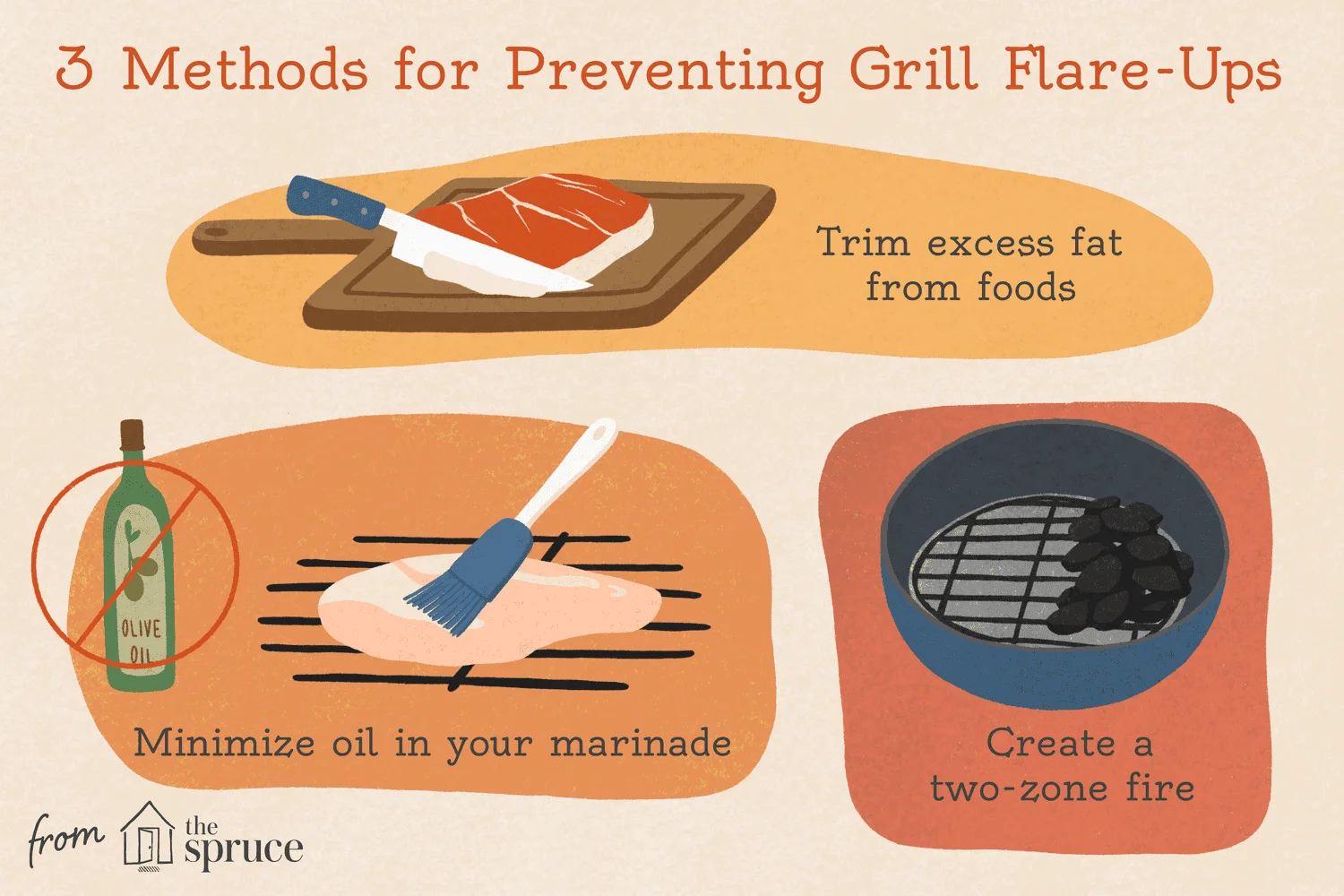
Selecting high-quality lump charcoal or briquettes with consistent burn characteristics helps create a steady heat source that reduces unpredictable flames. Using a two-zone setup—dividing the grill into a direct high-heat side and an indirect cooler side—provides a safe area to move meats if flare-ups occur. This thoughtful setup is beneficial to managing flames before they become problematic.
Proper Airflow and Temperature Control Techniques
Flare-ups intensify when grills overheat or when airflow is mismanaged. Controlling the vent openings to moderate oxygen flow keeps the fire stable without getting too aggressive. Maintaining a moderate temperature reduces the risk of excessive fat ignition. Learning to read your grill’s heat and adjust vents accordingly ensures flare-ups stay minimal and manageable.
Pre-Grilling Meat Preparation Tips
Trimming Excess Fat Without Sacrificing Flavor
While fat adds great flavor, trimming thick slabs or excessively fatty parts reduces dripping and flare-up potential. Leaving a moderate layer of fat is advisable to maintain juiciness without overwhelming the grill with grease. Proper trimming balances health and taste concerns with safety during cooking.
Marinades and Rubs That Reduce Drippings
Using marinades or spice rubs designed to bind surface fat or reduce rendered grease can lessen flare-up risks. Avoid sugary sauces or delicate spice blends during initial cooking, as these burn rapidly in flames. Instead, apply such ingredients during the final grilling minutes or after moving meat to indirect heat, preserving flavor while minimizing burning.
Effective Grilling Strategies to Avoid Flare-Ups
Indirect vs. Direct Heat: When and How to Use Both
Understanding when to sear over direct heat and when to slow-cook on indirect heat is fundamental. Use direct heat for crisp searing, but move fatty cuts to the indirect zone to allow slow cooking without constant flare-up risk. This approach gives control over temperature and flame, ensuring the meat cooks evenly and safely.
Managing Grill Height and Positioning to Control Flames
Adjusting the grill grate height or moving meat to a cooler zone can moderate exposure to flames. Raising the grate slightly reduces fat drip contact with coals, lowering fire risk. Positioning meats strategically across the grill, leaving an indirect cooking zone, is an effective tactic to handle flare-ups proactively.
Immediate Responses to Flare-Ups
Safe Methods to Control Flames Quickly
When flare-ups occur, avoid instinctive reactions like dousing flames with water, which can spread ash and feed the fire further. Instead, calmly move the meat to an indirect heat area and close vents slightly to reduce oxygen supply. Small flare-ups with minimal flames can often be left if closely monitored, but always be ready to act promptly.
Tools to Keep Handy for Flare-Up Management
Having long-handled tongs to quickly move food and a spray bottle filled with water reserved strictly for tiny flames is helpful, although caution is advised. Keeping a fire extinguisher nearby is a vital safety precaution, even if it is rarely needed. Being prepared ensures flare-ups never turn into dangerous situations.
Post-Grilling Cleanup to Prevent Future Flare-Ups
How Residue Contributes to Flare-Ups
Grease and food residues that build up on the grill grate and inside the firebox create fuel for future flare-ups. Leftover fat igniting unexpectedly can cause uncontrollable flames and damage the grill surface. Understanding this connection highlights why regular maintenance is important beyond mere hygiene.
Best Practices for Cleaning a Charcoal Grill
After each use, burn off excess residue by keeping the grill hot for several minutes. Once cooled, use a sturdy grill brush to remove stuck-on grease and food particles. Periodically empty and clean ash buildup to ensure airflow is unobstructed. Routine cleaning reduces the risk of flare-ups and prolongs grill life, creating safer and more enjoyable cooking sessions each time.


