

Understanding the Basics of Charcoal Smoking
Why Temperature Consistency Matters for Pulled Pork
Imagine preparing a big batch of pulled pork for a family gathering. You want that tender, juicy meat with smoky flavor to impress your guests. Achieving consistent temperature in your charcoal smoker is crucial because pork shoulder requires slow, steady cooking to break down its tough connective tissues. Fluctuating temperatures can result in uneven cooking — some parts overdone and dry, others undercooked and chewy. Consistency ensures the meat cooks uniformly, absorbs smoke flavors perfectly, and develops that prized bark crust.
Key Temperature Ranges for Smoking Pork
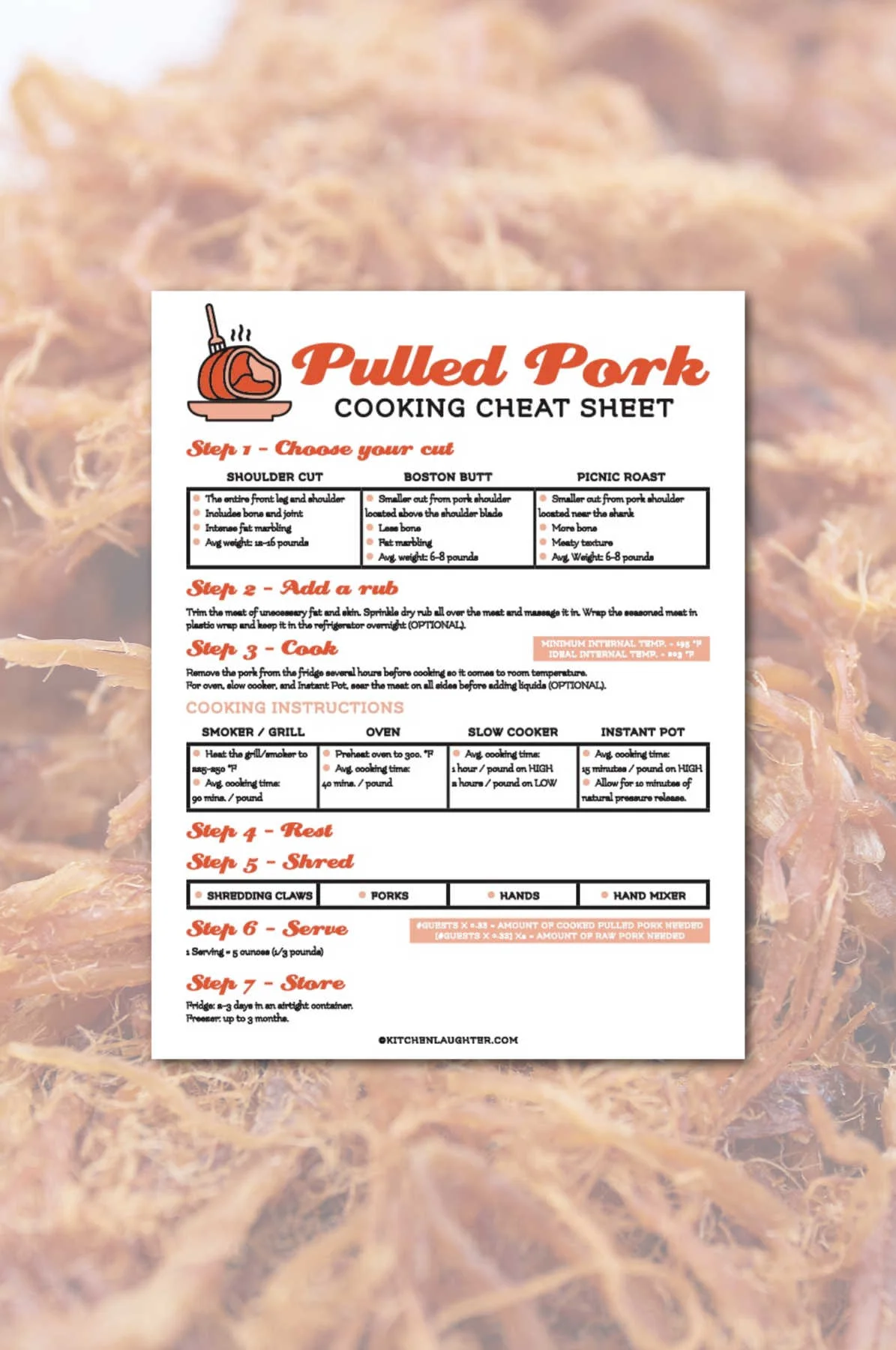
For pulled pork, maintaining a smoker temperature between 225°F and 275°F is ideal. Within this range, the pork slowly renders fat and collagen, making it tender. Many backyard pitmasters swear by keeping the heat around 250°F as a sweet spot. Temperatures above 300°F risk cooking the exterior too fast, drying out the meat before the interior is tender. Conversely, temperatures below 200°F can stretch the cook time excessively and risk bacterial issues. Knowing and watching these temperature ranges keeps your pulled pork on track every step of the way.
Preparing Your Charcoal Smoker for Stable Heat
Choosing the Right Charcoal and Wood
Not all charcoal is created equal, and your choice affects temperature stability and flavor. Lump charcoal ignites faster and burns hotter but sometimes inconsistently, while briquettes offer longer, steadier heat. Many pitmasters recommend using a mix, starting with briquettes for steady heat and adding lump charcoal or wood chunks for bursts of smoke flavor. When it comes to wood, fruitwoods like apple or cherry add sweet smoke tones perfect for pork, while hickory offers a classic bold profile. Choosing quality wood chunks over chips ensures a slow, clean smoke that won’t overwhelm your meat.
Setting Up Charcoal for Long-Lasting Heat
When I first tried smoking pulled pork, I often found my temperature spiking uncontrollably and then crashing. The key was mastering the charcoal setup. A popular approach is the Minion Method, which involves stacking unlit coals like dominoes and placing a small pile of lit charcoal at one end. This gradual ignition allows for even, sustained heat over many hours without constant tending.
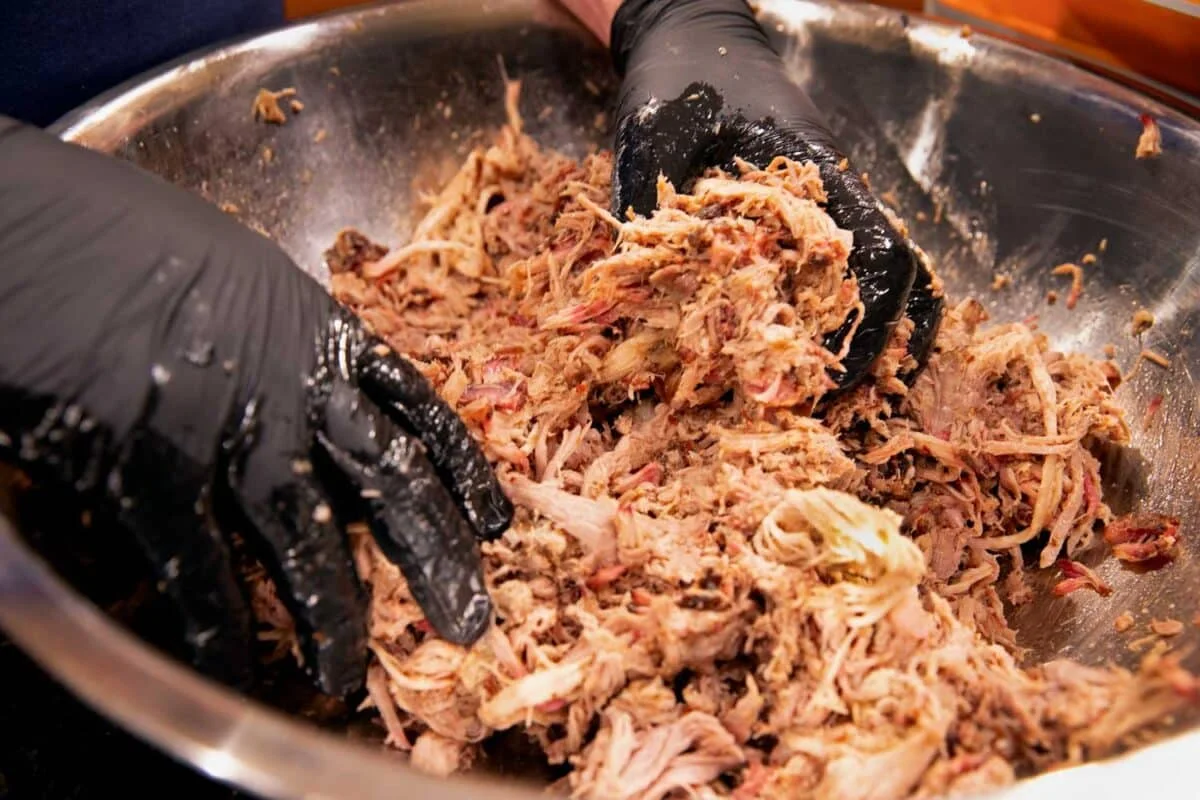
Another common approach is the Log Cabin Method, which requires arranging coals in a square and lighting the middle, producing a quick, strong heat that needs periodic refueling. Both methods have merits, but the Minion Method offers more stability for long smokes like pulled pork.
Techniques to Control and Monitor Temperature
Using Adjustable Vents Effectively
Airflow controls the intensity of your fire. Many beginners make the mistake of opening vents fully, causing their fire to burn out of control. The key is to think of the vents as a dimmer switch. In the Minion Method, keeping vents low slows oxygen flow, extending burn time and preventing temperature surges. If the smoker cools, incrementally open the intake vent to feed the fire a little more oxygen. The exhaust vent should always be partially open to allow smoke to flow and avoid creosote buildup on your meat.
The Role of Water Pans in Temperature Regulation
Adding a water pan inside your smoker acts as a heat sink, helping to stabilize temperature swings. The water absorbs and radiates gentle heat, smoothing out spikes caused by fluctuating fire intensity. I recall a cold day when wind threatened to drop my smoker’s temperature drastically. Filling the water pan made the difference, keeping the chamber warmer and the smoke moist, which also enhanced the bark texture.
Essential Thermometers and Placement Tips
Invest in a reliable, accurate thermometer — it’s your smoker’s compass. Use digital probes to monitor both the smoker’s internal temperature and the meat’s internal temperature simultaneously. Placement matters: put the smoker thermometer at grate level near the meat, not near the fire or lid, where readings can skew high. For the pork, insert the probe into the thickest part of the shoulder. Understanding the difference between these readings helps you manage the fire without overcorrecting.
Troubleshooting Common Temperature Fluctuations
Dealing with Wind and Weather Changes
Outdoor smoking isn’t always predictable. I’ve had many cooks disrupted when a gust of wind forced oxygen into the firebox causing sudden temperature jumps. Wind can also cool your smoker’s body, dropping heat quickly when it dies down. A practical solution is positioning your smoker behind a windbreak or using a tarp to shield against sudden gusts. On cold or damp days, preheating your smoker longer and using a water pan can help minimize the impact of environmental changes.
Maintaining Airflow Without Overfueling
It’s tempting to add more charcoal when temperatures dip, but this can backfire. Overfueling often causes temperature spikes followed by quick burnout. The secret is managing airflow gently, adjusting vents a little at a time. When using the Minion Method, avoid removing food to add coals mid-cook since opening the lid cools everything down and changes airflow dynamics. Instead, plan your charcoal quantity ahead and add wood splits at intervals to keep smoke fresh without overpowering the fire.
Advanced Tips for Smoking Pulled Pork Like a Pro
When and How to Add More Charcoal or Wood
Timing charcoal or wood additions can make or break your smoke. With long cooks, plan to replenish fuel before temperatures fall too low, usually every 3–4 hours depending on your method. Add new coals to unlit piles as in the Minion Method to ensure they ignite gradually without large heat surges. When adding wood, use chunks rather than chips, and scatter them onto the hot coals to produce clean, steady smoke without acrid, harsh flavors. Consistency is about gradual changes, not sudden bursts.
Using the Minion Method for Overnight Smoking
I once took the Minion Method for an overnight pulled pork session, and it was a game-changer. By stacking unlit coals paired with wood chunks and a small lit starter, the smoker maintained a steady low temperature while I slept. This method reduces the need for frequent monitoring and fuel additions. However, bear in mind it doesn’t last indefinitely; for extremely long cooks, monitor and adjust slightly as needed. Avoid expecting it to handle very large cuts like whole brisket without intervention, and always be prepared for minor adjustments.
Conclusion: Mastering Consistency for Perfect Pulled Pork
Mastering temperature control in your charcoal smoker transforms pulled pork from a gamble to a reliably delicious dish. Understanding your smoker’s behavior, choosing the right charcoal setup, fine-tuning airflow, and using tools like water pans and thermometers help maintain steady heat. Avoid common pitfalls like lighting all charcoal at once or overfeeding the fire. With practice and patience, you’ll enjoy juicy, tender pulled pork with mouthwatering bark every time, making your BBQ the highlight of any gathering.


