

Understanding the Basics of Packing Light
Why Packing Light Matters for a Two-Week Trip
Packing light is crucial for a two-week European vacation because it directly influences your overall travel experience. Carrying less weight allows for easier mobility through airports, train stations, and cobblestone streets common in European cities. Overpacking can lead to frustration, additional fees, and even missed travel connections if baggage becomes a burden. More importantly, traveling light creates flexibility, enabling spontaneous plans and the freedom to explore without being tethered to cumbersome luggage.
Common Mistakes When Packing for Europe
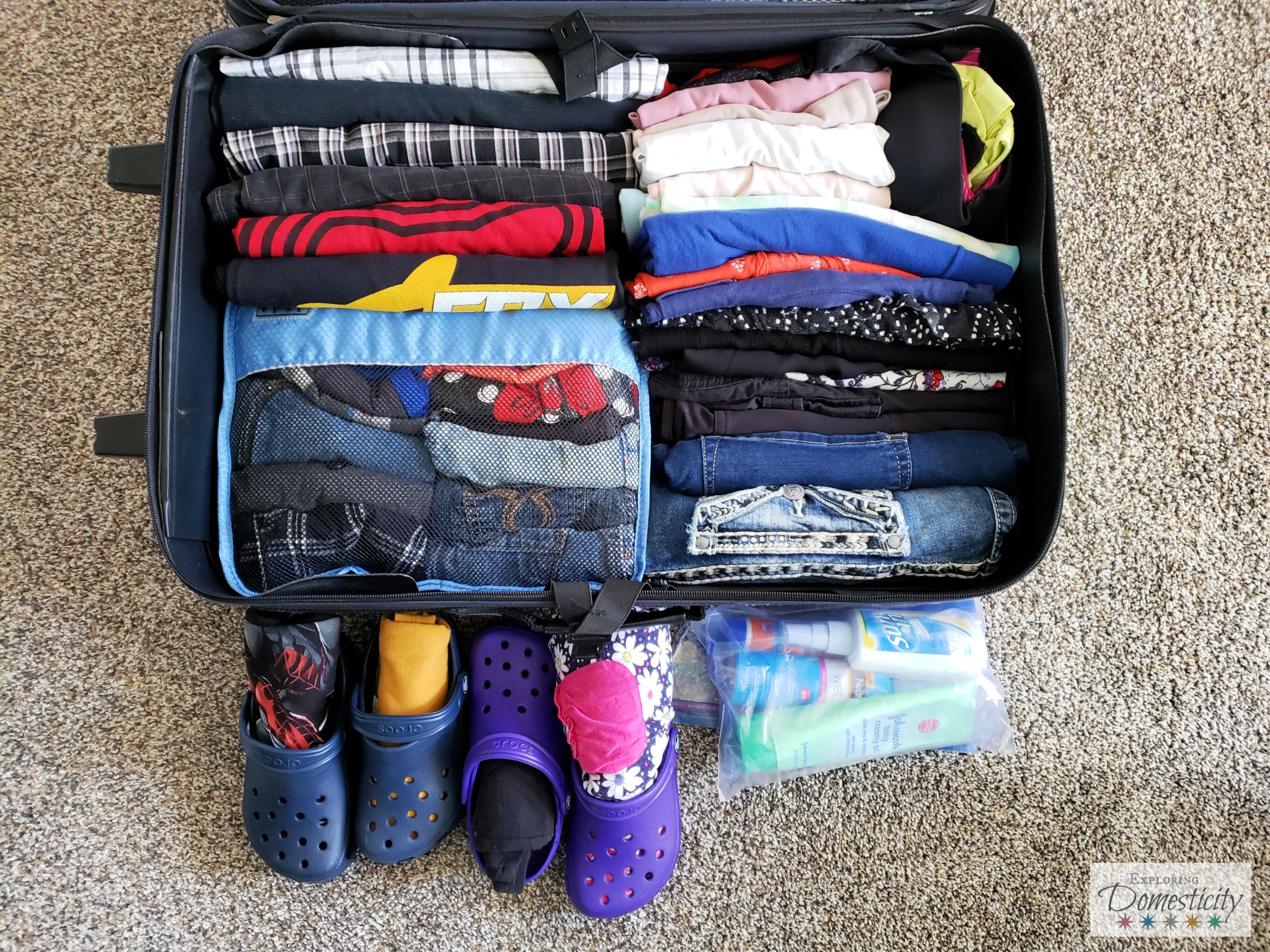
Many travelers fall into the trap of overpacking, often by preparing for every possible scenario rather than focusing on essentials. A typical issue is packing heavier with each trip, bringing bulky or rarely used items like snorkels and fins that add unnecessary weight. Another mistake is checking bags instead of carrying on, which can lead to delays or lost luggage. Ignoring airline baggage policies results in unexpected fees, while packing a full supply of toiletries instead of relying on local stores adds extra bulk. These pitfalls make travel cumbersome and detract from the enjoyment of the trip.
Strategic Planning Before You Start Packing
Researching the European Climate and Weather
Understanding the weather patterns of your destination is fundamental to packing light. Europe spans multiple climate zones, and seasonal variations mean you need to pack with attention to regional forecasts. Instead of packing for extreme conditions, focus on typical weather during your visit, layering as necessary. This approach prevents overpacking heavy coats or multiple pairs of shoes, which are often underused but take up substantial space in your luggage.
Creating a Versatile Capsule Wardrobe
A capsule wardrobe is a curated selection of clothing that mixes and matches well to create different outfits without excess. Planning such a wardrobe tailored for your two-week trip minimizes your clothing load. Choose neutral colors and versatile pieces that work for both day tours and casual evenings. This not only simplifies your packing but also reduces the need for multiple accessories. A well-planned capsule wardrobe helps avoid the common tendency to pack many single-use items.
Essential Items to Bring and What to Leave Behind
Clothing: Multipurpose Pieces and Layering
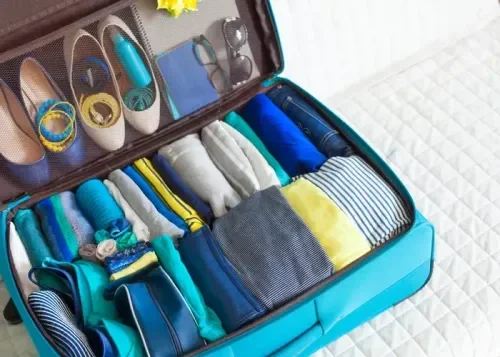
Focus on lightweight, quick-dry fabrics that can be layered for changing temperatures. Instead of bulky sweaters, bring thin long-sleeve tops that can be combined with jackets. Multi-use items, such as a scarf that doubles as a blanket or sarong, cut down the number of belongings. Leave behind excessive pairs of shoes; one comfortable walking pair and one dressier option usually suffice. Prioritizing multi-functionality in clothing prevents overpacking and keeps your bag manageable.
Toiletries: Minimalist Approach and Travel Sizes
Toiletries often take up disproportionate space in luggage. Instead of packing full bottles, opt for travel-sized containers or purchase essentials locally once you arrive. This method avoids overpacking and lightens your load. Many European accommodations also provide basic toiletries, so it’s practical to check in advance what might be available. Focusing on necessities rather than comfort items will keep your bag light and compliant with airline policies.
Tech and Accessories: Only the Necessities
Bring only the technology that is essential for communication and navigation. A smartphone, charger, and perhaps a compact camera are usually sufficient. Avoid bulky gadgets or multiple chargers that contribute to weight and clutter. Accessories such as plugs and adapters should be minimal but appropriate for your destinations. Carrying only what you truly need prevents the frustration of managing excess items during your trip.
Packing Techniques for Maximum Efficiency
Rolling vs. Folding Clothes
Rolling clothes is often more space-efficient than traditional folding. This technique reduces wrinkles and allows you to fit more items into your suitcase. It also makes it easier to organize your belongings by creating compact bundles. While some bulky items may require folding, rolling is generally a better method for t-shirts, pants, and casual wear, maximizing space and minimizing the bulk of your luggage.
Using Packing Cubes and Compression Bags
Packing cubes help organize and compartmentalize your clothes, making it easier to locate items without unpacking everything. Compression bags take this a step further by squeezing out excess air, significantly reducing the volume of your clothing. These tools are practical solutions for travelers aiming to optimize space and keep their suitcases tidy. However, be cautious not to over-rely on compression bags which can lead to overpacking by creating the illusion of extra space.
Tips for Staying Organized on the Road
Daily Outfit Planning to Avoid Overpacking
Planning your outfits in advance for each day of your trip helps avoid packing unnecessary extras. By visualizing your schedule and activities, you can select appropriate clothing and accessories that fit each occasion. This deliberate approach prevents the tendency to overpack “just in case” items and simplifies decision-making each morning, allowing you to travel lighter and more efficiently.
How to Laundry Smartly During Your Trip
Laundry facilities are common in European accommodations or nearby laundromats. Traveling with a small amount of detergent or laundry sheets allows you to wash clothes on-the-go, reducing the need to bring multiples of each item. By incorporating laundry into your routine, you can reuse clothing efficiently without overpacking. It’s a practical solution that supports light travel and keeps your luggage manageable throughout your two weeks abroad.
Additional Advice for Different Traveler Types
Solo Travelers vs. Group Travelers Packing Styles
Solo travelers often benefit more from packing extremely light since they carry their own luggage and rely on personal mobility. They should prioritize versatile clothing and minimal gear to maintain agility. Group travelers may have opportunities to share items such as toiletries or tech accessories, allowing for slightly reduced individual packing. However, coordinating packing strategies within a group can prevent redundancy and unnecessary baggage for all members.
Business Casual Needs vs. Leisure Wear
Travelers combining business and leisure must strike a balance between formal attire and comfortable casual wear. Business casual pieces should be wrinkle-resistant and easy to mix with casual items to avoid doubling up on clothing. Prioritize garments that look polished but don’t require extensive care or bulky packing solutions. This approach minimizes baggage while meeting diverse wardrobe demands during a two-week European vacation.


