

Introduction to Building Budget-Friendly Bookshelves
Why Choose Reclaimed Wood?
Reclaimed wood offers a sustainable and cost-effective alternative to new lumber. It brings character through its unique grain patterns and aged appearance. Using reclaimed wood reduces waste and gives your bookshelf an eco-friendly edge. This material is often sturdier, having already weathered time, making it ideal for long-lasting furniture.
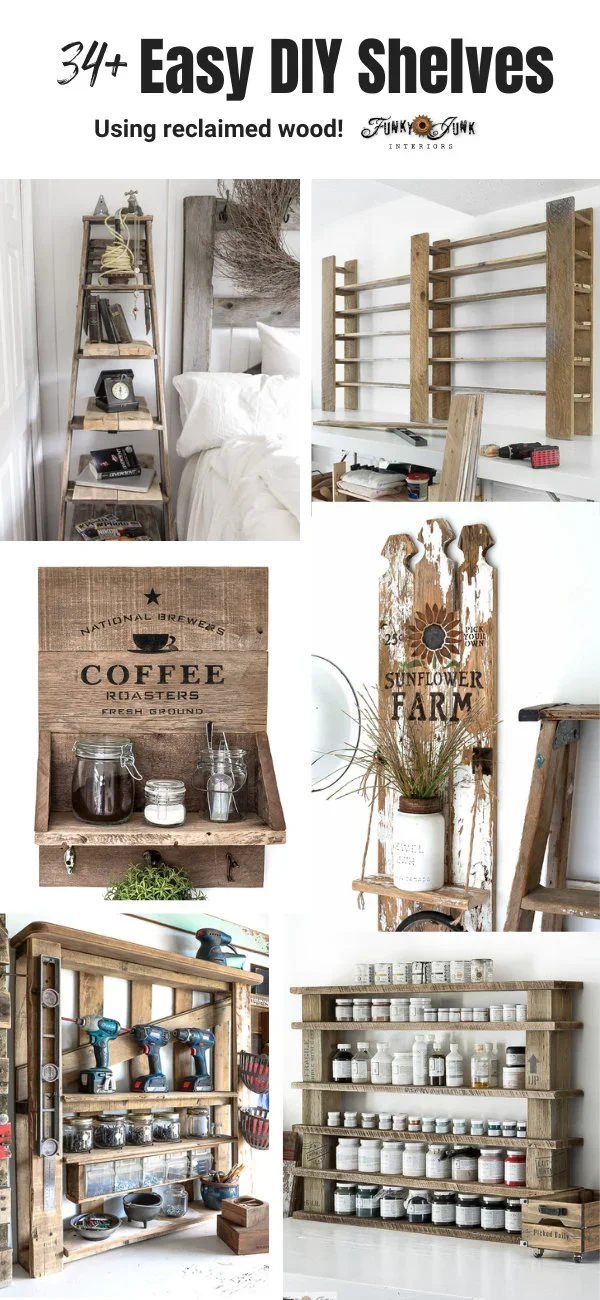
The Benefits of Using Basic Tools
Building with basic tools lowers the barrier to entry for DIY projects. Without the need for expensive or specialized equipment, you can complete your bookshelf using common household tools. This approach simplifies the building process and allows greater flexibility, accommodating varied skill levels while still delivering a solid, attractive result.
Planning Your Bookshelf Project
Determining the Size and Style
Before starting, consider where your bookshelf will reside and what it will hold. Adjust dimensions such as height, width, and depth to fit your space and storage needs. Whether you prefer a tall, narrow design or a wide, low profile bookshelf, defining these parameters early ensures the final piece complements your environment.
Watch the Tutorial
Creating a Simple Blueprint
A straightforward drawing or blueprint helps visualize the project and measure materials precisely. Marking out shelf spacing and overall dimensions guides you during assembly and reduces mistakes. Even a rough sketch can improve accuracy and aid in communicating your plan if you enlist help.
Gathering Materials and Tools
Finding and Selecting Reclaimed Wood
Sources for reclaimed wood include salvage yards, online marketplaces like Craigslist, and specialty suppliers such as Front Range Timber. Examine boards carefully to avoid warped or heavily damaged pieces. Choosing boards with minimal blemishes on visible sides will enhance the finished look.
Essential Basic Tools Needed for the Build
Basic tools typically include a measuring tape, a drill with screwdriver bits, sandpaper or a sanding block, a saw, and clamps if available. These tools enable cutting, smoothing, and securing the wood without unnecessary complexity. Having them ready before starting streamlines the build process.
Preparing the Wood for Construction
Cleaning and Sanding Reclaimed Wood
Reclaimed wood often contains dirt, old paint, or nails that must be removed. Thorough cleaning and sanding smooth rough surfaces, making the wood safer to handle and more visually appealing. Sanding also prepares the surface to hold paint or protective coatings better.
Cutting Wood to Size
Use your blueprint to mark precise cut lines. Cutting straight, clean edges ensures pieces fit together well. Laying out all pieces on the floor before assembly helps decide which sides will be visible and allows you to hide any imperfections on less noticeable surfaces.
Step-by-Step Bookshelf Assembly
Building the Frame
Start by assembling the vertical supports and the top and bottom horizontal boards to create a sturdy frame. Ensuring two sides are straight is easier if you use a corner of the room as a guide. Having someone hold boards upright during this step can improve safety and accuracy.
Attaching Shelves Securely
Attach shelves from the bottom up to avoid difficulties in fitting your drill between tight spaces later on. Mark shelf spacing carefully on the support boards for consistent gaps. Use screws to secure shelves firmly, ensuring stability. Avoid using warped boards, as they complicate assembly.
Finishing Touches
Adding Protective Coating
Applying a protective finish safeguards your bookshelf from wear and environmental damage. Options include varnish, wax, or oil, depending on the desired look and durability. This step enhances the wood’s natural beauty and extends the life of your furniture.
Decorative and Functional Enhancements
You can personalize your bookshelf with decorative touches like painted accents or hardware. Adding non-slip pads on shelf surfaces helps prevent books from sliding. Consider integrating small hooks or baskets for added functionality without cluttering the design.
Maintenance Tips for Longevity
Regular dusting and gentle cleaning keep your bookshelf looking fresh. Periodically check for loose screws and tighten them as needed. Securing the bookshelf to a wall is crucial to prevent tipping and injuries. Avoid exposing the wood to excessive moisture, which can cause warping or damage.


