

Introduction to Macronutrients
What Are Macronutrients?
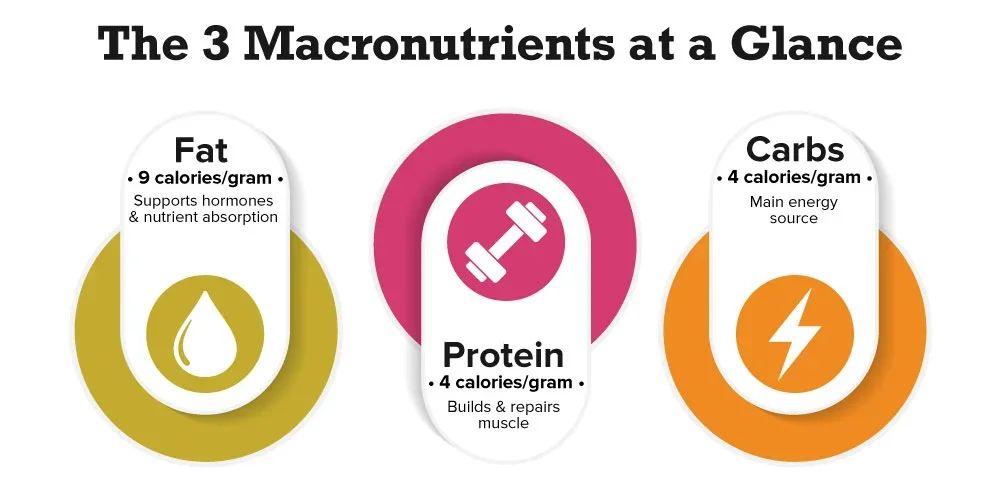
Macronutrients are the nutrients your body requires in large amounts to function properly. They include protein, carbohydrates, and fats. Each plays a unique role in energy provision, body function, and overall health. Understanding these can help you make informed dietary choices.
Why Tracking Macronutrients Matters
Tracking macronutrients helps you balance your diet to support your fitness and wellness goals. Whether you want to lose weight, build muscle, or maintain health, knowing how much protein, carbs, and fats you consume can guide better decisions. It also aids in preventing nutrient deficiencies and optimizing energy levels throughout the day.
Breaking Down the Three Macronutrients
Protein: Functions and Food Sources
Protein is vital for building and repairing tissues, producing enzymes, and supporting immune function. It digests slowly, which helps control hunger and stabilizes energy. Aim for protein to make up 10% to 35% of your daily calories. Good sources include meats like beef, poultry, fish, eggs, as well as vegetarian options like lentils and tofu.
Carbohydrates: Types and Benefits
Carbohydrates are the primary energy source for your body. Complex carbs—found in fruits, starchy vegetables, grains, beans, and dairy—provide fiber and steady energy. Simple carbs, on the other hand, can cause blood sugar spikes and crashes. Most health guidelines recommend carbs constitute 45% to 65% of your daily energy intake, though this varies with diet types such as keto.
Fats: Essential Roles and Healthy Choices
Fats are essential for hormone production and help your body absorb fat-soluble vitamins critical for immune health, bones, and vision. Between 20% and 35% of your daily calories should come from fats. Choose healthy fats from sources like plant oils, butter, meat, fish, avocados, and nuts. Avoid excessive saturated fats and processed foods.
How to Calculate Your Macronutrient Needs
Factors Influencing Macronutrient Ratios
Your ideal macronutrient ratios depend on factors such as age, gender, activity level, and personal goals like weight loss or muscle gain. For example, athletes may require more protein, while someone on a ketogenic diet will limit carbs significantly. Understanding these helps tailor your intake effectively.
Using Online Calculators and Tools
Online calculators simplify the process of determining your macronutrient needs. Inputting basic information like weight, height, and activity level provides personalized recommendations. These tools reduce guesswork and provide a clear target, making your nutrition plan easier to follow.
Practical Tips for Tracking Macronutrients Daily
Choosing the Right Tracking Apps
Select apps that offer extensive food databases, barcode scanning, and customizable goals. This makes logging meals straightforward and accurate. Familiarizing yourself with macro counting basics will streamline daily tracking and improve your results.
Reading Nutrition Labels Efficiently
Nutrition labels reveal the macronutrient content per serving. Focus on protein, carbs (noting fiber and sugars), and fats (distinguishing saturated and unsaturated). This helps you gauge the quality and quantity of what you eat, supporting balanced meal choices.
Meal Planning with Macronutrient Goals in Mind
Planning meals ahead ensures you hit your macro targets consistently. Incorporate protein sources like fish or lentils, complex carbs such as grains and vegetables, and healthy fats like nuts or avocado. Small daily adjustments compound into meaningful health improvements.
Common Challenges and How to Overcome Them
Dealing with Inaccurate Food Data
Food databases sometimes contain errors or variations in serving sizes. To minimize mistakes, use trusted apps and double-check meals with homemade recipes or standard portions. Precision improves with time and experience.
Staying Consistent Without Obsessing
Tracking macros can feel overwhelming initially. Avoid perfectionism by focusing on patterns rather than daily precision. Tracking for a few weeks helps you understand balanced plates and develop sustainable habits without stress.
Conclusion: Making Macronutrient Tracking Sustainable
Macronutrient tracking empowers you to align your diet with your health and fitness goals. By understanding protein, carbs, and fats, using smart tools, and making gradual changes, you can create lasting habits. Remember to keep a balanced approach, prioritize nutrient quality, and adjust your macros to suit your unique lifestyle.


