

Understanding Keto Baking Basics
What Makes Bread Keto-Friendly?
Keto-friendly bread is designed to keep carbohydrate intake low while maintaining the satisfying texture and taste of traditional bread. Unlike conventional bread made from wheat flour, keto bread replaces high-carb ingredients with low-carb alternatives, such as almond and coconut flour. This shift ensures the bread supports a ketogenic lifestyle by preventing glucose spikes and encouraging the body to burn fat for energy.
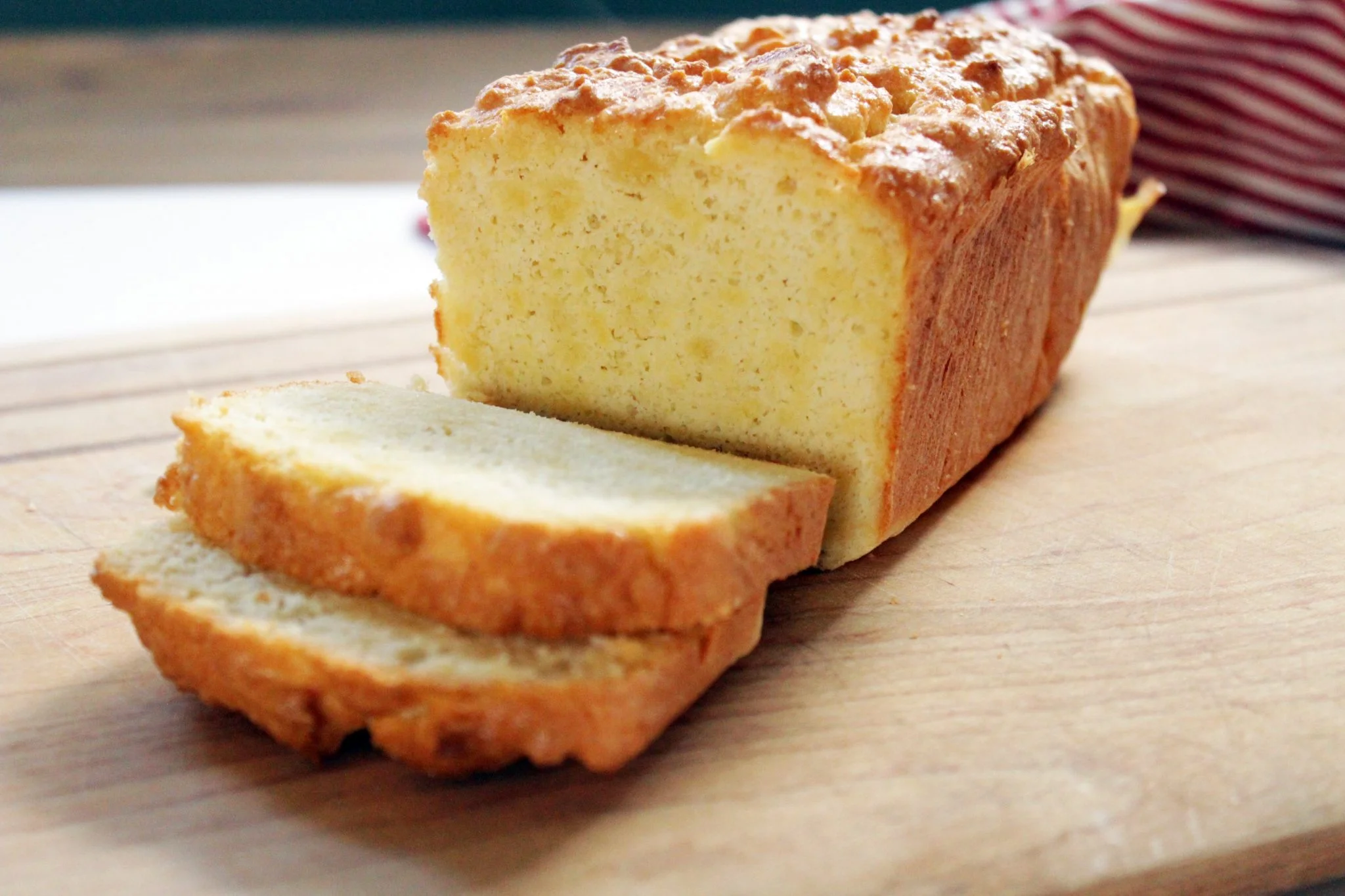
Essentially, keto bread is low in carbs and high in fats and protein, making it a beneficial food choice for those following a ketogenic diet. Unlike grain-based breads, keto versions often don’t require yeast or long proving times, simplifying the baking process.
Benefits of Using Almond and Coconut Flour
Almond flour and coconut flour are two staples in keto baking due to their low carbohydrate content and nutritional benefits. Almond flour is rich in healthy fats, protein, and fiber, which contribute to satiety and stable blood sugar levels. It also retains moisture well in baking, helping achieve a soft texture.
Coconut flour, on the other hand, absorbs moisture efficiently and provides a subtle sweetness. Its high fiber content aids digestion and adds structural integrity to the bread, compensating for the lack of gluten. Using these flours together creates a balance that results in bread that is both tender and sufficiently sturdy.
Essential Ingredients for Keto Bread
Choosing the Right Almond Flour
When selecting almond flour, it’s important to opt for finely ground blanched almond flour rather than almond meal, which is coarser and may affect the bread’s texture. Fine almond flour creates a smoother batter and more uniform crumb. Ideally, choose varieties without added sugars or preservatives to maintain the bread’s keto integrity.
The Role of Coconut Flour in Texture
Coconut flour’s unique porous nature requires precise measurement and liquid balance because it absorbs much more moisture than almond flour. This absorption helps to create elasticity and structure similar to gluten, which is absent in gluten-free breads. However, too much coconut flour can lead to dryness, so it’s used carefully in combination with almond flour.
Additional Ingredients and Their Functions
Other essential ingredients include eggs, which provide structure and moisture. The egg yolks enrich the bread while the egg whites incorporate air when beaten properly, contributing to a lighter texture. Psyllium husk is a crucial fiber source that mimics gluten’s elasticity, improving the crumb and chew of the bread without needing kneading or proving. Fat choices, like butter or coconut oil, add flavor and tenderness, while sweeteners can be included sparingly if desired.
Preparation Before Baking
Measuring Ingredients Accurately
Accurate measurement is key to successful keto bread. Since almond and coconut flours behave differently than traditional flours, even small variations can affect texture and baking time. Using a kitchen scale is recommended to weigh flours and psyllium husk for consistency. Liquid ingredients should be measured carefully as well, because the hydration level influences the dough’s pliability.
Tools and Equipment Needed
Basic kitchen tools such as mixing bowls, whisks, spatulas, and a loaf pan are necessary. For best results, use a loaf pan that allows the bread to rise evenly and maintain shape. An electric mixer can be helpful when whisking egg whites to incorporate adequate air, which contributes to a lighter bread. Parchment paper can also be useful for lining the loaf pan or covering the bread during baking to prevent over-browning.
Preheating and Preparing the Oven
Preheat the oven to 180°C (160°C fan, 350°F, Gas mark 4) before mixing ingredients to ensure the bread begins baking immediately at the correct temperature. This steady heat assists in proper rising and crust formation. If the bread starts to darken prematurely while baking, covering it loosely with parchment paper can protect the crust from burning.
Step-by-Step Keto Bread Recipe
Mixing the Dry Ingredients
Start by combining the almond flour, coconut flour, and psyllium husk in a mixing bowl. Thoroughly blending these ensures even distribution of fiber and prevents clumping. Psyllium husk needs a moment to absorb moisture once combined with wet ingredients, so it’s important to mix the dry components well beforehand.
Incorporating Wet Ingredients
In a separate bowl, whisk together the eggs, melted fat (like butter or coconut oil), and any sweetener if used. For optimal texture, separate the eggs and beat the egg whites until stiff peaks form, then fold them gently into the wet mixture. This process incorporates air, making the bread lighter and less dense.
Combining Ingredients for the Perfect Dough
Gradually add the wet mixture into the dry ingredients, stirring carefully to form a thick batter-like dough. Folding in the whisked egg whites at this stage helps maintain airiness. The dough will be more moist and pliable than traditional bread dough but firm enough to hold shape in the loaf pan.
Baking Time and Temperature Tips
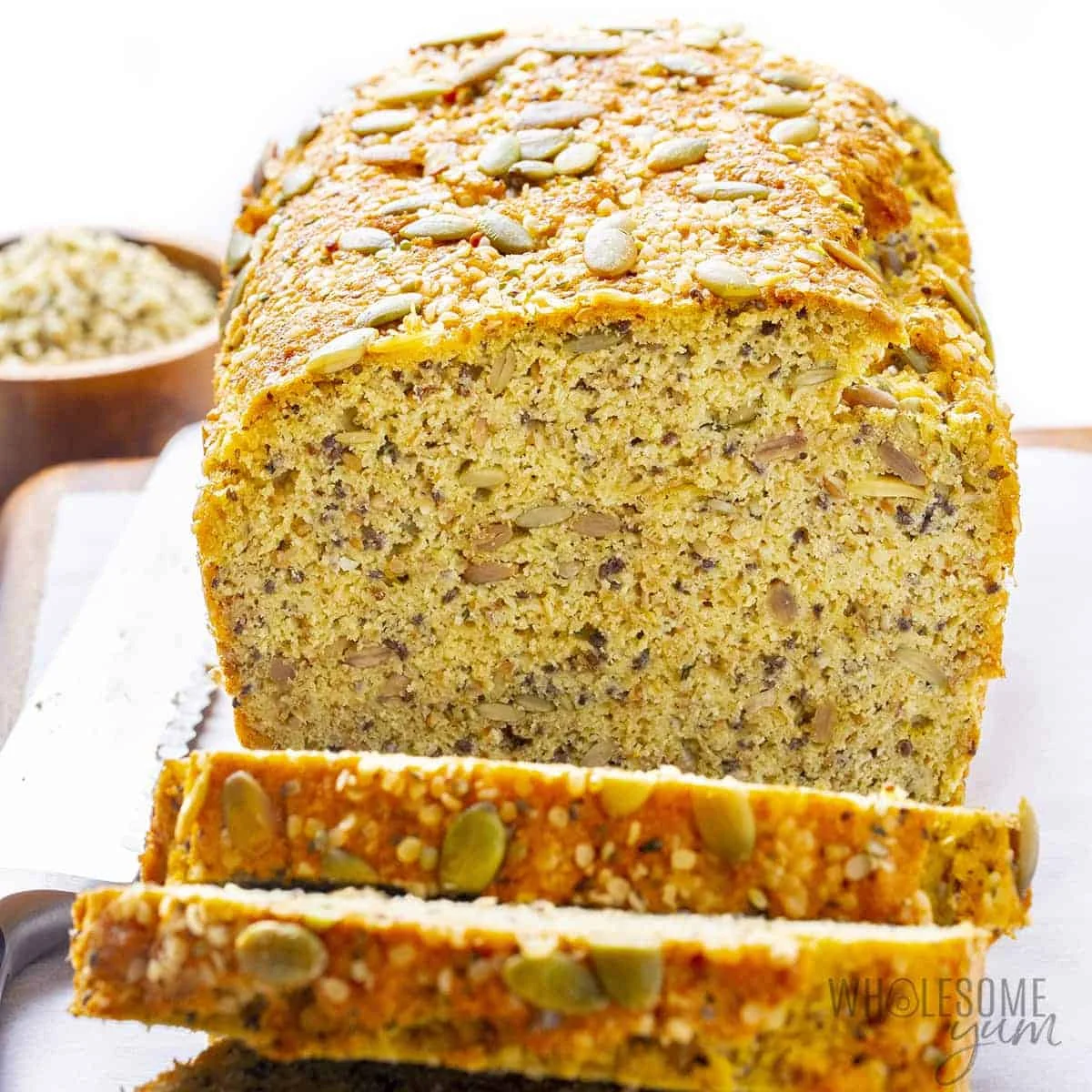
Transfer the dough into a greased or parchment-lined loaf pan and smooth the top. Bake at 180°C for 45 to 50 minutes. Using a toothpick or skewer, check for doneness: it should come out clean when inserted into the center. If the crust appears too dark during baking, covering the bread with parchment paper can prevent burning while the inside finishes cooking.
Post-Baking Tips
Cooling and Storing Keto Bread
Once baked, allow the bread to cool completely on a wire rack before slicing. Cooling helps the structure set and prevents crumbling. Keto bread stores well at room temperature for up to four days without refrigeration, thanks to its low moisture content. For longer storage, wrapping and freezing slices is an option.
Best Ways to Slice and Serve
Use a serrated knife to slice the bread gently, as its texture is tender and can crumble if cut aggressively. This bread works wonderfully as a base for various meals or snacks. Its rich flavor complements savory dishes like Labneh or Shakshuka, and it can even substitute traditional bread in recipes like bread pudding.
Troubleshooting Common Issues
Why Is My Bread Dense or Crumbly?
Density or crumbliness often results from insufficient air incorporation or incorrect flour ratios. Not beating the egg whites properly or folding them aggressively can reduce the bread’s lightness. Using too much coconut flour without enough liquid can also dry out the bread, leading to crumbly slices. Accurate measuring and gentle mixing are crucial to avoid these issues.
Fixing Bread That Doesn’t Rise Properly
Keto bread relies on egg aeration rather than yeast for rising. If the bread fails to rise, it’s likely due to under-whipped egg whites or mixing them too vigorously, which deflates the air bubbles. Using room temperature eggs aids in achieving the right volume during beating. Folding the whites in carefully and baking immediately after mixing helps the bread maintain rise.
Variations and Enhancements
Adding Seeds and Nuts
Incorporating seeds like flax, chia, or sunflower seeds adds texture, nutritional value, and visual appeal. Chopped nuts such as walnuts or pecans contribute crunch and healthy fats. Adding them in moderation to the batter or sprinkling on top before baking can enhance the bread’s flavor and make it more versatile.
Flavoring with Herbs and Spices
Enhance your keto bread by blending in herbs such as rosemary, thyme, or oregano, which can give a savory twist perfect for pairing with cheeses or dips. Spices like cinnamon or nutmeg can create a mildly sweet version suitable for breakfast or snacks. These flavorings introduce variety without compromising the bread’s low-carb benefits.


