

Understanding the Role of Protein in Post-Workout Recovery
Why Protein Matters After Exercise
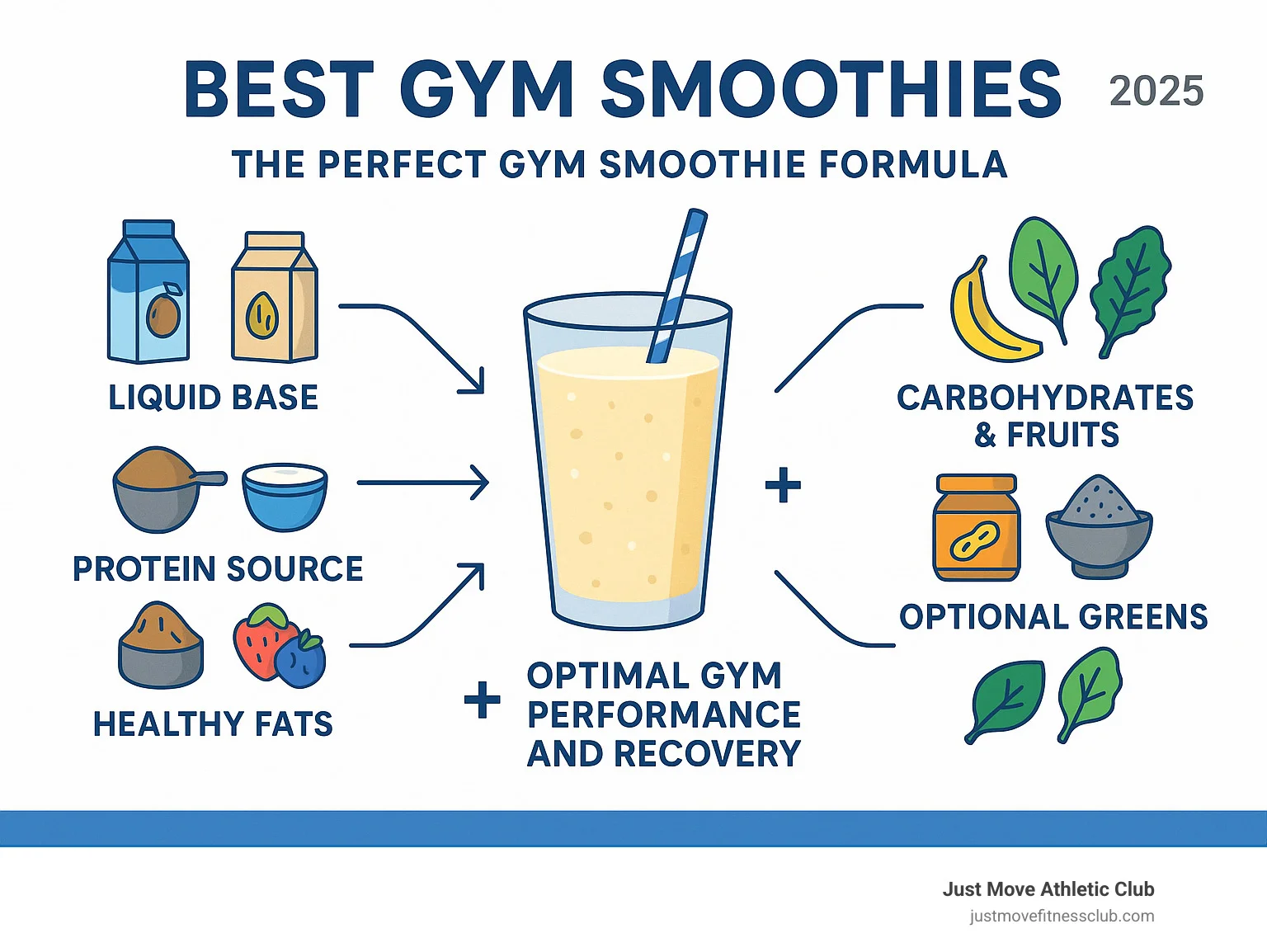
After a demanding workout, your body is primed for recovery, and protein plays a crucial role in this process. Imagine Sarah, a regular gym-goer who finishes a tough strength training session. Without adequate protein intake, her muscles remain in a fatigued state, which hampers recovery and progress. Protein provides the essential amino acids that act as building blocks to repair tiny muscle tears caused by exercise. Consuming protein smoothies shortly after your workout helps kickstart this repair and rebuild cycle effectively.
The Science Behind Muscle Repair and Growth
Muscle recovery hinges on a process called muscle protein synthesis (MPS), where your body rebuilds and strengthens muscle fibers. The timing of protein intake is important here—getting protein within an hour after a workout nourishes muscles when they are most receptive. Consider John, an athlete who consumes a post-workout smoothie made with whey protein and banana. This timely nutrition triggers MPS, reducing soreness and enhancing muscle growth. Without adequate protein, the body struggles to repair muscle efficiently, which can lead to prolonged fatigue and decreased performance.
Choosing the Best High-Protein Ingredients for Smoothies
Natural Protein Sources: Dairy vs. Plant-Based
When selecting ingredients for high-protein smoothies, the choice between dairy and plant-based proteins often arises. Dairy options like plain Greek yogurt or low-fat milk are excellent sources, delivering a good protein punch along with calcium and probiotics. For example, Emily likes using Greek yogurt in her post-workout smoothies for a creamy texture and substantial protein without added sugars. On the other hand, plant-based options such as almond milk, soy milk, or pea protein-based yogurt cater to vegans or those with lactose intolerance. Plant proteins often come with the added benefit of fiber and healthy fats, but blending them properly ensures a smooth, enjoyable texture.
Protein Powders: Types and Benefits
Protein powders add versatility and convenience to smoothie recipes. Whey protein remains a top choice for its complete amino acid profile and rapid absorption, perfect for post-workout recovery. Casein protein, absorbed more slowly, suits those wanting prolonged protein supply overnight. For plant-based athletes like Maya, options such as pea, hemp, or brown rice protein powders provide excellent alternatives. Each type offers unique benefits—pea protein, for instance, blends well without altering flavor much and adds fiber. To maximize benefits, mixing protein powder in almond milk or water before adding to the blender ensures a lump-free blend.
Incorporating Seeds and Nuts
Adding seeds and nuts not only boosts protein but also introduces healthy fats and fiber into your smoothie. Ground flaxseed or hemp seeds are practical inclusions that support digestion and provide omega-3 fatty acids. Mark, a marathon runner, swears by adding a tablespoon of hemp seeds to his recovery smoothie for sustained energy and smooth digestion. Nuts like almonds or walnuts add a subtle crunch and richness while enhancing the protein content naturally. They also improve satiety, helping you feel fuller longer after intense workouts.
Creative Smoothie Recipes Packed with Protein
Quick and Easy Protein Boost Smoothies
On days when time is tight, a quick smoothie with simple ingredients can be lifesaving. Take Jessica, a busy mom who blends low-fat milk, a scoop of whey protein, half a banana, and frozen strawberries within minutes after her morning workout. This combination offers a balance of protein, carbohydrates, and antioxidants, fueling her recovery. Blending fruits first until smooth before adding ice ensures the desired consistency without overloading the blender.
Vegetarian and Vegan Options
For those following plant-based diets, vegan protein smoothies require a bit more creativity, but the results are flavorful and fulfilling. Hannah prepares her post-workout smoothie with pea protein powder, almond milk, spinach, frozen mango, and a spoonful of ground flaxseed. This blend covers a broad nutrient spectrum: protein for muscle repair, fiber for digestion, and leafy greens for essential vitamins. Using a variety of fruits and vegetables keeps each smoothie nutritionally balanced and prevents monotony.
Flavor Combinations That Never Fail
Combining flavors thoughtfully makes protein smoothies enjoyable and something you look forward to. The classic mix of banana, peanut butter, and chocolate protein powder brings comforting richness, while strawberry and spinach paired with vanilla protein powder offers a fresh, vibrant taste. Incorporating apple with skin on adds phytonutrients, which further boost immunity and reduce oxidative stress after exercise. Feel free to experiment with frozen or fresh fruits depending on season to keep your smoothies exciting.
Tips for Maximizing Protein Absorption in Smoothies
Best Times to Consume Post-Workout Smoothies
Timing can make all the difference in recovery. Experts recommend drinking your protein smoothie within an hour of finishing exercise, when muscles are most receptive to nutrients. This window ensures that amino acids are promptly delivered for effective muscle repair. Sarah found that sipping her smoothie immediately after cross-training helped reduce muscle soreness the next day, compared to times she delayed protein intake.
Balancing Macronutrients for Optimal Recovery
While protein is crucial, pairing it with the right amount of carbohydrates and healthy fats enhances recovery. Carbohydrates replenish muscle glycogen stores, and fats help reduce inflammation. Adding fruits like banana or berries alongside a scoop of protein powder, plus a dash of ground flaxseed, achieves this balanced approach. Avoiding overly fatty or sugary ingredients keeps the smoothie healthy and efficient for recovery.
Common Mistakes to Avoid When Adding Protein to Smoothies
Overloading on Protein: Why More Isn’t Always Better
Many jump into loading excessive protein into their smoothies, thinking more equals better muscle growth. However, your body can only utilize so much protein at a time. Consuming excessive amounts may lead to digestive discomfort or unwanted calorie surplus. Aim for a sensible portion that aligns with your target body weight—typically around 1 gram of protein per pound for muscle maintenance or growth—as seen in practical guidelines. Quality and timing matter more than sheer quantity.
Ignoring Taste and Texture Balance
An often overlooked factor is the palatability of high-protein smoothies. Protein powders or seeds can sometimes impart a gritty or chalky texture, making smoothies less enjoyable. To avoid this, blend fruits thoroughly before adding ice or seeds, and use creamy bases like Greek yogurt or almond milk to mellow the drink. Customizing recipes to suit your taste ensures consistent consumption, helping you maintain regular post-workout nutrition without feeling like it’s a chore.


