

Introduction to Recycled Paper Crafts
Benefits of Using Recycled Paper for Greeting Cards
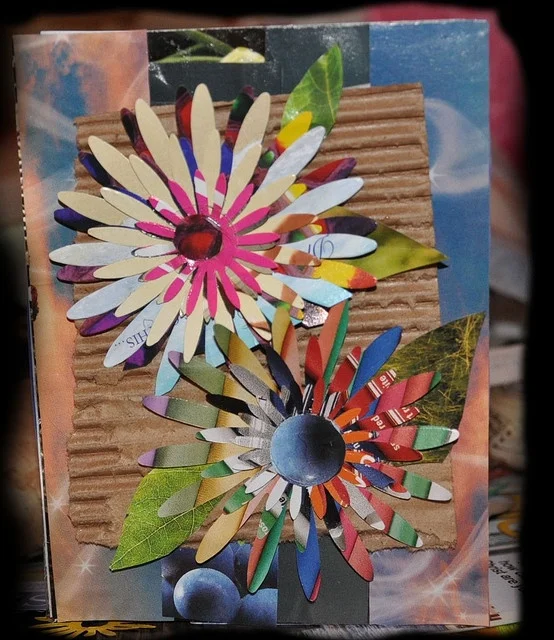
Creating greeting cards from recycled paper is an eco-friendly craft that combines creativity with sustainability. By repurposing waste paper, you contribute to reducing landfill waste and conserve natural resources. Handmade recycled paper cards carry a unique, textured charm that mass-produced cards often lack, making each card feel special and personal. Additionally, these projects offer an engaging, hands-on activity that can be both relaxing and rewarding, especially when shared with children or friends.
Basic Materials Needed for DIY Projects
To start your recycled paper card projects, gather a few basic materials. You will need scrap paper—old newspapers, used printer paper, or junk mail work well for recycling. A blender designated solely for paper crafting, a mould and deckle frame to form sheets, a wide plastic tub for mixing pulp with water, absorbent towels or felt for drying, and simple tools like scissors and sponges will prepare you for the process. Having these materials on hand ensures a smooth workflow and helps maintain the quality of your handmade paper.
Step-by-Step Guide to Making Recycled Paper
Collecting and Preparing Paper Waste
The first step is gathering your paper scraps, ensuring they are free from heavy inks or glossy coatings to avoid imperfections in your new sheets. Once collected, tear the paper into small pieces, which will be easier to process. Soak these pieces in water for at least 24 hours; this soaking allows fibers to loosen and blend uniformly. If you prefer a faster method, boiling the scraps can help, but be cautious to avoid burning the paper.
Watch the Tutorial
Blending and Molding Homemade Paper Sheets
After soaking, place the wet paper into the blender fitted specifically for craft use and blend until it reaches a pulpy consistency. Avoid using a regular kitchen blender to prevent motor damage. Pour the pulp into your plastic tub filled with water and stir gently. Next, submerge your mould and deckle into the pulp mixture, lift it carefully, and shake it gently to spread fibers evenly and drain excess water. This step ensures a well-formed, uniform sheet. Turning the mould over a smooth towel or absorbent felt allows you to remove the new sheet without damage. Remember to leave the paper slightly damp when transferring if you plan to use other screens or techniques. Finally, let your sheets dry completely before trimming and folding them into greeting cards.
Creative Ideas for Handmade Greeting Cards
Textured Paper Effects for Added Elegance
Adding texture to your recycled paper can elevate the card’s appearance significantly. You can create texture by varying the pulp thickness during molding or pressing delicate patterns onto the paper while still moist. Ripping paper by hand instead of cutting can also introduce interesting fiber edges. Using textured fabric or lace as an imprint during drying introduces subtle designs, giving your cards a handcrafted, artisanal feel that the recipients will appreciate.
Incorporating Natural Elements: Leaves, Flowers, and More
Embedding natural elements into your paper sheets is another way to enhance their charm. Fresh or dried leaves and small flowers can be gently pressed onto the damp pulp or adhered once the paper is partially dry. This technique connects your greeting cards to nature and adds a colorful, organic touch. Try to place items carefully to avoid tearing or uneven drying, which could cause distortion. Such embellishments make your creations perfect for special occasions like Earth Day or springtime greetings.
Using Stamps and Stencils on Recycled Paper
Once your recycled paper is dry, stamps and stencils provide an opportunity for further customization. Choose eco-friendly inks and lightly press your designs to avoid damaging the textured surface. Stenciling can help you add motifs, messages, or decorative borders with precision. This approach allows for repetitive patterns or personalized messages without overwhelming the handmade aesthetic, striking a perfect balance between craft and design.
Advanced Techniques in Paper Crafting
Adding Color with Natural Dyes and Paints
For those looking to add color without compromising sustainability, natural dyes derived from plants, vegetables, or spices are excellent options. Incorporating these dyes during the pulping stage or painting on dry sheets with watercolors can bring lively hues to your cards. Experiment with layering colors for gradient effects or blotting to produce unique patterns. Natural dyes not only align with the eco-friendly spirit but also offer subtle, earthy shades that complement recycled paper’s rustic texture.
Embossing and Layering for Depth
To create depth and sophistication, try embossing designs onto your paper or layering multiple sheets for thickness and texture contrast. Embossing can be done with simple household tools or specialized embossing styluses, pressing raised patterns into the surface. Layering thin sheets glued carefully together adds dimensionality and strengthens fragile paper. Both techniques require patience and a gentle hand, but they can transform simple recycled paper into elegant greeting cards suitable for any occasion.
Tips for Personalizing and Finishing Your Cards
Handwriting and Calligraphy on Rough Surfaces
Writing on recycled paper can be challenging due to its texture. Using pens with flexible nibs or markers designed for rough surfaces helps achieve smooth, clear handwriting. Calligraphy enthusiasts can enjoy the natural character of these cards, though they may need to practice ink flow and pressure to avoid smudging. Handwritten messages add meaningful authenticity, turning each card into a heartfelt expression.
Eco-Friendly Packaging Ideas
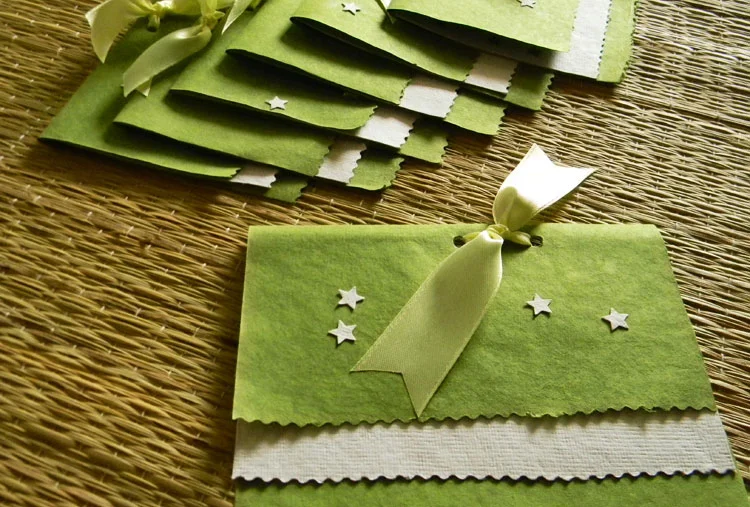
Once your greeting cards are complete, consider packaging them in environmentally conscious ways. Using recycled kraft paper envelopes, wrapping with twine or fabric scraps, and avoiding plastics keeps your project aligned with sustainable values. Including a small note about the recycled nature of the card can also engage recipients with your eco-friendly message. Thoughtful packaging complements your craft and encourages others to consider greener choices.
Conclusion
Encouraging Sustainable Creativity in Card Making
Making handmade greeting cards from recycled paper is a rewarding blend of creativity and environmental stewardship. By following simple steps, experimenting with textures and embellishments, and personalizing your designs, you can produce cards that resonate with meaning and beauty. This craft nurtures an appreciation for sustainability while providing a meaningful outlet for artistic expression. Whether for personal use or gifts, your recycled paper cards inspire a more mindful approach to creativity and help promote a greener planet.


