

Introduction to Long-Lasting Paper Flowers
Why Choose Paper Flowers Over Real Ones?
Many people love the beauty of fresh flowers, but their fleeting nature often poses a challenge. Real flowers wilt, lose petals, and only last a few days, which can be disappointing for décor or special occasions. Paper flowers offer an attractive alternative by providing a lasting aesthetic without the need for regular maintenance. They can be customized in colors and shapes that might be impossible or costly with natural blooms, making them an appealing choice for weddings, home décor, and gifts. However, to enjoy paper flowers for years, durability is key, requiring attention to materials and crafting techniques.
Understanding Durability in Paper Crafting
Durability in paper crafting isn’t just about choosing thick paper; it’s also about how the paper is folded, glued, and finished. Factors like environmental exposure, handling, and the flexibility of the flower’s structure significantly impact how long your paper flowers last. The goal is to create flowers that remain vibrant and retain their shape despite wear and possible moisture. By carefully selecting materials and applying the right crafting methods, paper flowers can become timeless pieces that maintain their charm over the years.
Selecting the Ideal Materials for Durability
Types of Paper That Stand the Test of Time
The choice of paper plays a critical role in the longevity of paper flowers. Lightweight tissue paper may create delicate petals but tends to tear or fade quickly. In contrast, origami paper and book pages have proven to be excellent for durability because they hold folds well and are less prone to damage. Using paper with a slight texture or weight gives structure, while also allowing for shaping. Additionally, specialty papers like vellum or watercolor paper can add both sturdiness and aesthetic appeal, especially when combined with painting techniques.
Watch the Tutorial
Essential Tools to Enhance Longevity
Having the right tools simplifies the crafting process and improves the quality of your flowers. Precision scissors, including fringing and deckle-edge scissors, help create accurate and beautiful petal shapes. Craft sponges and thin brushes allow for detailed painting and adding layers, which can strengthen paper fibers and provide a more lifelike finish. Using cutting templates promotes consistency in petal size and shape, which helps flowers maintain their balance and sturdiness.
Choosing the Right Adhesives and Finishes
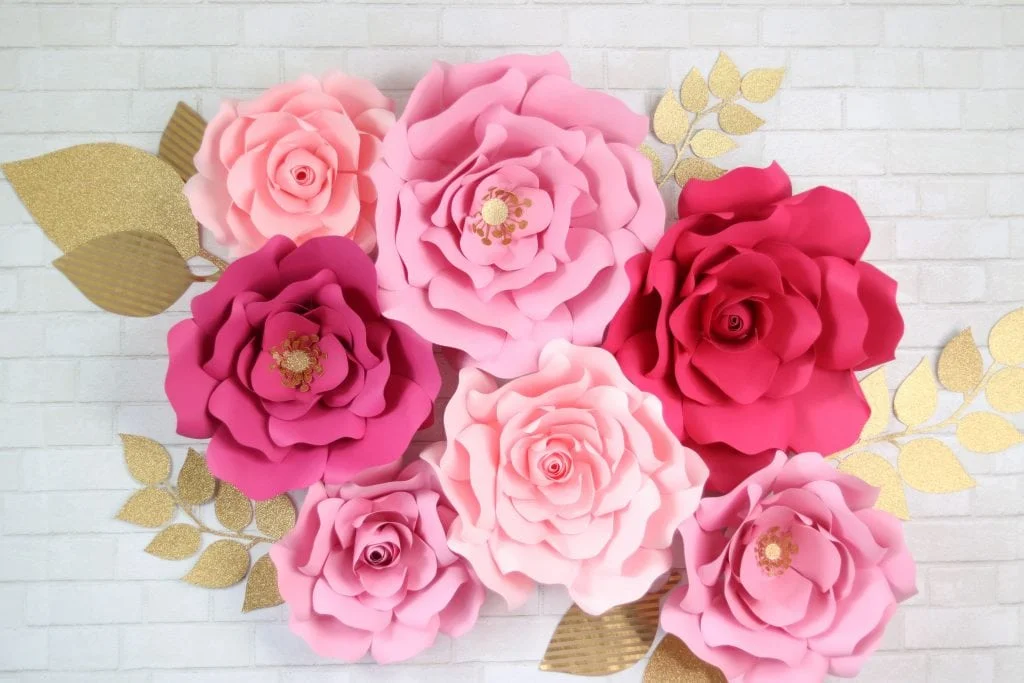
A common problem when making paper flowers is inadequate adhesion, which can cause petals or stems to detach over time. Ordinary glue sticks are effective for assembling petals gently without crushing them, provided they are applied carefully. Stronger white glues or tacky adhesives may be necessary for attaching stems or heavier components. Additionally, finishing sprays or coatings serve as protective barriers against moisture and dust, enhancing water resistance and adding to the flower’s lifespan. Avoid weak or inappropriate glues, as they compromise the flower’s integrity.
Step-by-Step Guide to Crafting Sturdy Paper Flowers
Preparing Your Paper for Maximum Strength
The first step toward durable flowers is preparing your paper by cutting it into uniform squares—about 4 inches by 4 inches—to create petals approximately 3.5 inches across. Consistent sizing ensures structural balance. Maintaining the paper’s orientation as per instructions at every fold is crucial to preventing distortions. Precise folding, accompanied by firmly pressing each crease, strengthens the paper and helps retain the desired shape throughout the crafting process.
Folding, Cutting, and Shaping Techniques
The natural look of paper flowers relies on curved petals rather than flat, lifeless folds. Folding petals into kite shapes and gluing flaps with a slight curve mimics the organic forms found in nature. Avoid crushing petals while gluing by applying glue to one side and gently squeezing the edges instead of pressing them forcefully. Using fringing scissors can quickly produce pom-pom or aster-style petals, adding texture without compromising strength. Careful shaping at this stage ensures that petals stay resilient and visually appealing.
Assembling Flowers to Retain Shape and Stability
When assembling your flower, applying glue down one side of the petal before joining them helps create a secure but flexible bond. Squeeze the petals together carefully to avoid crushing. Adding stems requires sturdiness; gluing barbecue skewers or straws to the flower base provides a strong foundation. Wrapping the stem with florist’s tape or ribbon not only adds a finished look but also reinforces durability. Consistent attention to these assembly details prevents early wear and deformation.
Advanced Tips for Reinforcing Your Creations
Incorporating Wire and Other Supports
For added strength, thin floral wire can be integrated into petals or stems, acting as an internal skeleton. Wire stems are especially beneficial for flowers intended for bouquets or arrangements requiring frequent handling. Flower bases can be reinforced with additional layers or wrapped with tape to stabilize the structure. Wire also allows for gentle adjustments to petal positions, preserving the flower’s realism over time.
Sealing and Coating Options for Water-Resistance
Paper flowers are vulnerable to moisture, which can cause weakening or warping. Applying sealants like clear acrylic sprays or varnishes provides a protective layer against humidity and dust. Some crafters use a mixture of water and paint to splatter tissue paper flowers, giving both visual interest and an additional barrier. When sealing, avoid over-saturating, which may cause paper to wrinkle. A thin, even coating enhances longevity while keeping the flower’s texture intact.
Maintaining and Displaying Paper Flowers for Longevity
Proper Storage and Avoiding Environmental Damages
Improper storage is a common reason paper flowers deteriorate prematurely. Keep flowers away from direct sunlight, which can fade colors and weaken paper fibers. Avoid damp or humid areas to prevent moisture-related damage. When not on display, store flowers in rigid containers to protect them from crushing or bending. Using tags with planting instructions or wrapping stems with soft tissue can help preserve delicate parts during storage and transport.
Creative Display Ideas That Preserve Your Flowers
Displaying paper flowers in glass domes or shadow boxes offers protection from dust and handling, ensuring their longevity. Incorporating stems into sturdy vases filled with floral foam can keep arrangements stable without stressing individual petals. Favor pouches tied with ribbons or tags transform them into lasting gifts. Regular dusting with a soft brush or light air spray maintains their fresh appearance, extending the life of your vibrant handcrafted flowers.
Conclusion: Crafting Paper Flowers That Last a Lifetime
Creating durable paper flowers combines careful material selection, precise crafting techniques, and thoughtful finishing touches. Understanding the problems caused by weak folds, poor adhesives, or environmental exposure allows crafters to implement effective solutions that ensure their flowers withstand time. With patience and the right approach, paper flowers can be transformed into timeless decorations and treasured keepsakes, offering lasting beauty that rivals real blooms.


