

Introduction to Eco-Friendly Stain Removal
Why Choose Eco Cleaning Methods?
Removing stubborn stains often involves harsh chemicals that can harm your health and the environment. Traditional stain removers may effectively clean your fabrics and surfaces, but they frequently contain toxins that contribute to indoor pollution and water contamination. Choosing eco-friendly cleaning techniques not only safeguards your family’s wellbeing but also reduces your ecological footprint. These methods tap into natural, biodegradable ingredients that break down stains without leaving harmful residues. Eco cleaning is therefore a responsible and sustainable approach to maintaining a clean home.
Common Stubborn Stains and Their Challenges
Stubborn stains like grease, ink, rust, and fruit marks present unique cleaning challenges. Their chemical composition makes them resistant to water alone, demanding targeted treatment. For example, oil-based stains tend to spread when rubbed aggressively, while protein stains such as blood or sweat can set deeper if exposed to heat. The challenge lies in removing these blemishes thoroughly without damaging the fabric or surface and without resorting to toxic chemicals. Understanding the nature of each stain helps in selecting the right eco-friendly technique to tackle it gently yet effectively.
Natural Ingredients That Combat Tough Stains
The Power of Vinegar and Baking Soda
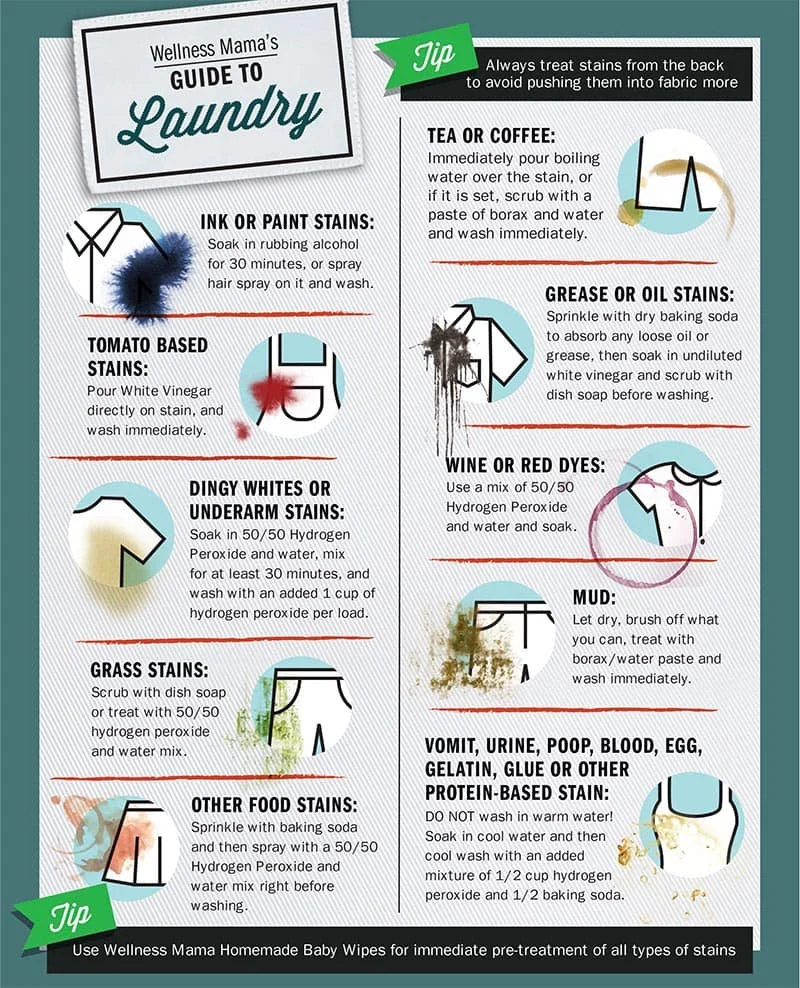
White vinegar and baking soda are two of the most versatile ingredients in eco-friendly stain removal. Vinegar’s mild acidity helps break down mineral deposits and discolorations, while baking soda acts as a gentle abrasive and deodorizer. Together, they create a reaction that lifts stains without harsh abrasiveness. For oil and grease spots, sprinkling baking soda and letting it sit for 10 to 15 minutes before brushing can absorb excess oils naturally. Vinegar solutions, often mixed equally with water, are effective for treating a variety of stains such as coffee or tea on fabric.
Lemon Juice: The Natural Bleach
Lemon juice serves as a natural bleaching agent thanks to its citric acid content. It is particularly useful against fruit, ink, and rust stains where discoloration is prominent. Applying lemon juice directly onto the stain and allowing it to sit before rinsing can lighten the affected area without resorting to chemical bleaches. Additionally, sun drying after treatment enhances this effect, since UV rays help to naturally bleach and disinfect clothing. Using lemon juice must be done carefully on sensitive fabrics, and always followed by gentle rinsing.
Plant-Based Enzymes and Their Role
Plant-based enzymes are increasingly recognized for their ability to break down organic stains like blood, sweat, and food residue at a molecular level. These enzymes target the proteins and fats that make stains difficult to remove. Unlike harsh chemicals, enzyme-based cleaners work efficiently even in cold water, preserving fabric integrity. They are typically found in natural cleaning products or can be derived from sources like papaya or pineapple extracts. Using enzyme-based treatments ensures stubborn stains are lifted while keeping your cleaning routine eco-friendly.
Step-by-Step Eco Cleaning Techniques
DIY Stain Remover Recipes
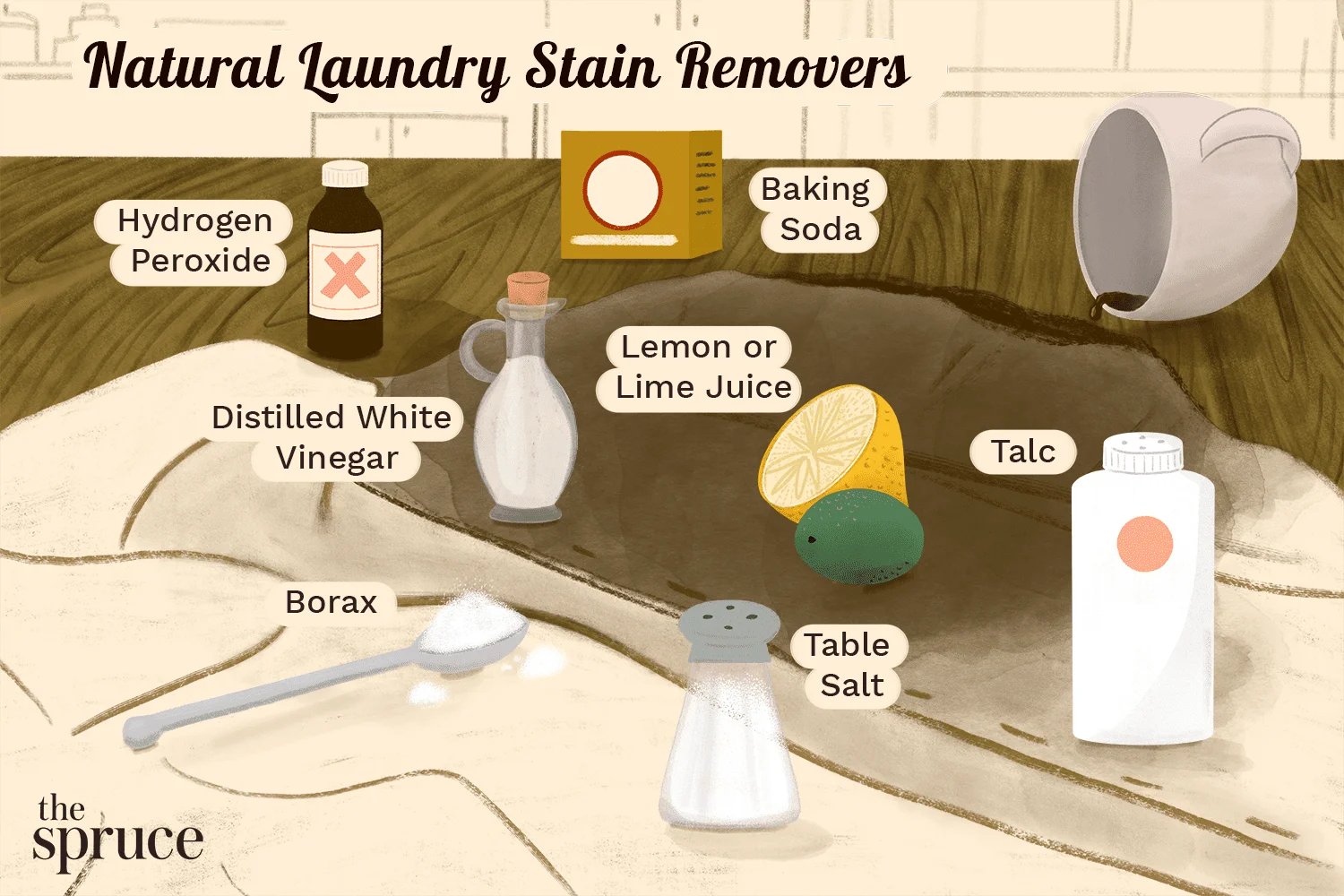
Creating your own stain remover at home is both economical and healthy. A simple recipe involves mixing one part hydrogen peroxide with three parts cold water, ideal for white and light-colored fabrics to brighten without damage. For general stain treatment, combining equal parts water and white vinegar provides a gentle yet effective solution. In cases of wax stains, applying ice to harden the wax before gently scraping prevents smearing. Keeping a stock of natural ingredients such as rubbing alcohol, borax, and baking soda allows you to respond to various stain types immediately.
Proper Application Methods for Maximum Effectiveness
How you apply eco cleaners can determine their success in stain removal. Rather than rubbing stains harshly which may spread or embed them deeper, blotting gently is advisable. Treat the stain from the back of the fabric to push it outwards, avoiding embedding it further. Allow natural treatments like lemon juice or baking soda to sit for an adequate period to maximize their action time. Furthermore, always check the product care label before beginning any stain treatment to avoid damage. Avoid warm water with protein-based stains to prevent setting smells or discoloration.
Tips for Different Surfaces: Fabric, Carpet, and Hard Floors
Each type of surface demands a tailored approach. Fabric stains benefit from gentle blotting and soaking with natural solutions, followed by air drying in sunlight for enhanced whitening. Carpet stains should be approached with minimal water to avoid spreading; applying baking soda before vacuuming can absorb moisture and odor. Hard floors require mild scrubbing with a solution of vinegar and water or a plant-based cleaner, ensuring no residue is left behind to avoid slipperiness. In all cases, testing on a hidden area first prevents unwanted reactions.
Advanced Eco Cleaning Tools and Technologies
Microfiber Cloths and Their Benefits
Microfiber cloths have revolutionized eco-friendly cleaning by effectively trapping dirt and oils without chemical agents. Their tiny fibers can reach into the crevices of surfaces, lifting stains with water alone or minimal natural cleansers. This reduces the need for harsh products and cuts down water usage due to their absorbency. Moreover, microfiber cloths are reusable and durable, making them a sustainable choice for regular household stain removal and cleaning tasks.
Steam Cleaning Without Chemicals
Steam cleaning offers a powerful mechanical method to remove stains and disinfect surfaces without any chemicals. The high temperature loosens dirt and kills bacteria, making it excellent for carpets, upholstery, and hard flooring. It is particularly suitable for households sensitive to allergens or chemical smells. However, improper use can damage delicate fabrics or finishes, so following manufacturer guidelines and testing on inconspicuous patches is essential to avoid pitfalls.
Maintaining Stain-Free Surfaces Naturally
Preventive Measures to Avoid Stains
Prevention is often more effective than treatment. Simple habits like promptly blotting spills, using protective covers on furniture, and avoiding eating in high-risk areas minimize stain occurrence. Choosing clothing and upholstery with stain-resistant natural fibers can also reduce long-term cleaning challenges. Keeping natural stain removers within reach encourages quick response to emerging stains before they set, ensuring the environment remains fresh and tidy.
Routine Eco-Friendly Cleaning Habits
Regular cleaning with eco methods helps maintain surfaces without buildup that can attract stains. Incorporating natural cleaners such as diluted vinegar, baking soda scrubs, and enzyme treatments into your weekly routine prevents grime accumulation. Using sun drying for laundry not only disinfects but also naturally refreshes fabrics. Adopting these habits fosters a home environment free from stubborn stains while protecting health and the planet.


