

Understanding Wooden Cutting Boards: Materials and Vulnerabilities
Types of Wood Used in Cutting Boards
Wooden cutting boards come in various types, each with unique characteristics influencing durability and maintenance. Commonly, boards are made from hardwoods like maple, walnut, and cherry. Maple is especially popular due to its dense grain that resists cuts and scratches, making it less prone to absorbing moisture. Walnut offers a rich, dark tone but may show scratches more visibly, while cherry delivers a warm hue and soft grain, although it can scar more easily. These differences affect how each board reacts to wear and cleaning, so understanding the wood type helps in tailoring maintenance routines.

Common Issues: Cracks, Stains, and Odors
Wooden boards are beloved for their natural beauty, but their organic nature means they’re vulnerable to problems like cracking, staining, and lingering odors. Cracks often develop when moisture seeps into the wood and then dries unevenly, causing it to split. For example, a friend of mine learned this the hard way after soaking his board in water overnight, only to find significant cracks the next day. Stains typically arise from contact with colorful foods like beets or turmeric, which can penetrate the board’s pores. Finally, odors from meats or strong vegetables can remain trapped, especially if the board isn’t properly cleaned and aired out. Addressing these challenges promptly ensures your cutting board stays safe and attractive.
Daily Cleaning Routine for Wooden Cutting Boards
Step-by-Step Cleaning Process
In daily kitchen use, keeping your wooden cutting board clean is crucial to avoid stains and cracks. After each use, start by brushing off crumbs and food particles—in many cases, like when slicing bread, this simple step with a dry brush or a damp cloth suffices. For general cleanup, rinse the board under warm water and use a sturdy sponge, such as the Scotch-Brite Heavy Duty Scrub Sponge, to scrub surfaces gently. Avoid soaking the board or using a dishwasher, as excess water can penetrate the wood, leading to warping and cracking. After washing, immediately dry the board with a clean towel and stand it upright to air-dry fully.
Recommended Cleaning Products for Wood
When it comes to cleaning, mild dish soap is effective without being harsh on the wood. Avoid bleach or ammonia-based cleaners, which can break down the wood fibers over time. Instead, opt for natural ingredients like lemon and salt, which not only clean but help deodorize and gently exfoliate the board’s surface. For routine care, simple soap and water combined with prompt drying work well to maintain the board’s integrity.
Deep Cleaning Techniques to Remove Tough Stains and Bacteria
Using Natural Ingredients for Stain Removal
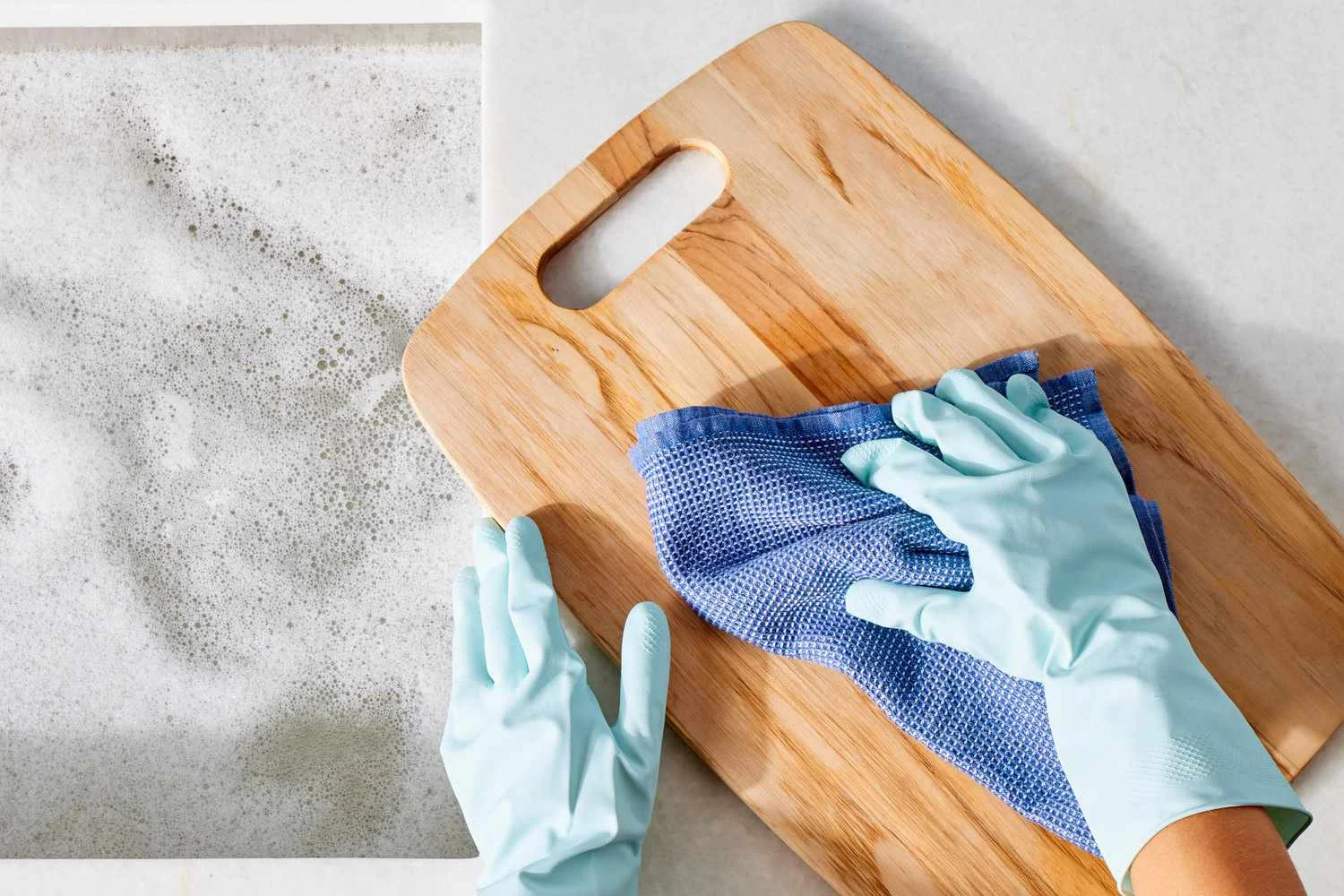
Sometimes, your wooden board will face stains that daily cleaning can’t remove. A practical approach is to use a paste made with coarse salt and fresh lemon juice. Apply the paste directly to the stained area and scrub gently with a sponge. Before proceeding across the entire board, test this mixture on a small, inconspicuous spot to ensure it doesn’t damage the finish. This natural method lifts stains and eliminates odors without introducing harsh chemicals.
Sanitizing Your Board Without Damage
Sanitization is essential for boards that handle raw meat or seafood. Instead of harsh chemical disinfectants, which may degrade the wood, you can sanitize the board by wiping it with white vinegar or a solution of diluted hydrogen peroxide. Both substances offer antimicrobial properties while being gentle on wood. Remember to rinse afterward and dry thoroughly. For stuck-on residues or dried salt, a bench scraper or metal spatula can help gently remove buildup without gouging the surface.
Proper Drying and Storage to Prevent Warping and Cracking
Best Practices for Air Drying
One of the most critical steps in preserving a wooden cutting board’s lifespan is thorough drying. After cleaning, avoid laying the board flat on a surface where water can pool and be absorbed unevenly. Instead, stand it upright or lean it at an angle against a wall or dish rack, allowing air circulation around all sides. This method prevents moisture from settling in crevices which can cause warping and eventually cracks. In a humid kitchen environment, consider using a fan or slightly opening a window to speed drying if needed.
Storage Tips to Maintain Shape and Longevity
Store your cutting board in a location where it remains dry and away from direct heat sources like stovetops or radiators. Heat can dry out the wood too quickly, causing brittleness and cracks. Avoid stacking heavy items on top of the board, as this can warp the surface. An ideal storage spot is a vertical rack or a dedicated shelf that keeps the board upright and well-ventilated, ensuring it maintains its shape and freshness for years.
Maintenance Tips: Oiling and Conditioning Your Wooden Board
How Often to Oil and What Types of Oils to Use
Oiling is key to maintaining a wooden cutting board’s resilience against moisture and stains. For daily users, oiling once a month helps keep the wood nourished, while those who use the board less frequently can extend to every 2–3 months. Choose mineral oil or specialized products like Mystery Oil, which soak deeply and form a protective barrier without going rancid. Avoid cooking oils like olive or vegetable oil, as they tend to spoil and create sticky residues.
Techniques for Applying Oil to Avoid Damage
Apply oil generously using paper towels, ensuring the wood is evenly coated. Let the oil penetrate for several hours—or ideally overnight—to allow full absorption. Afterward, wipe away any excess that hasn’t soaked in with a clean cloth to prevent a sticky surface. Some people also use board creams or waxes that combine mineral oil with beeswax for deeper protection; apply these similarly but be sure to rub them in thoroughly to seal the pores. When your board starts to feel dry or looks dull, it’s a sign more conditioning is needed.
Signs You Need to Replace Your Wooden Cutting Board
Evaluating Safety and Usability
Despite careful maintenance, wooden cutting boards do wear out. When you notice deep cracks that are difficult to sand out, persistent stains that won’t lift, or a rough surface that traps food and bacteria, it may be time to replace the board. These imperfections can harbor harmful microbes and pose food safety risks. Additionally, if the board has a strong, unpleasant odor even after cleaning, it likely indicates irreversible damage.
Environmental Considerations for Disposal
Wooden cutting boards are environmentally friendly when disposed of correctly. Instead of throwing them away, consider repurposing the board as a serving platter or for craft projects. If disposal is necessary, since most boards are made from natural wood without chemicals, they can often be composted or broken down in green waste programs depending on local guidelines. Being mindful of this helps reduce kitchen waste and supports sustainability.


