

Understanding the Challenges of Small Closet Spaces
Common Storage Issues in Compact Closets
Living in a small apartment, Sarah found herself constantly battling a cluttered closet. The limited square footage led to stacked piles of clothes that were hard to access, shoes scattered on the floor, and a general sense of chaos every morning. This is a familiar story for many people with small closets. Because the space is tight, it’s easy to run out of room quickly, resulting in inefficient use of vertical space and crammed shelves where items get lost.

Another common headache is visibility. When everything is squeezed together, it becomes tough to spot what you actually own, which often means buying duplicates or forgetting favorite pieces altogether. Small closets also tend to lack flexibility, making it difficult to adapt the layout as your wardrobe or storage needs change.
Benefits of Optimizing Without Renovations
While hiring a contractor to enlarge or redesign your closet is an option, it’s often expensive, time-consuming, and not always possible—especially in rental spaces. The good news is you can reinvent your small closet using clever organization techniques without knocking down walls. This approach saves money and reduces disruption while making your space feel larger and more accessible.
By optimizing your existing fixtures and incorporating smart storage hacks, you can instantly enhance usability. Plus, maintaining the integrity of your home is appealing if you plan to move or want to keep your lease intact. These adjustments also encourage thoughtful decluttering, helping you keep only what you truly need and love.
Assessment: Evaluating Your Current Closet Setup
Decluttering Strategies Before Optimization
Before diving into reorganization, Marie took a weekend to declutter her closet. She pulled every item out, asking herself which pieces she hadn’t worn in a year or which shoes were uncomfortable or damaged. This process helped her identify items to donate, sell, or recycle. Decluttering is essential because the best organization system will only be as good as the content you put in it.
Start by sorting into categories such as keep, toss, and maybe. Be honest; a small closet can’t hold everything, and prioritizing is key. Decluttering also creates breathing room, making it easier to visualize a functional arrangement later.
Measuring and Mapping Your Closet Space
Next, take precise measurements of your closet including height, width, and depth. Maria drew a simple sketch marking existing shelves, rods, and hooks. She noted areas with wasted vertical space and spots where doors or walls could accommodate additional storage.
Mapping your closet helps identify opportunities such as installing slim hangers on underutilized rods or adding small wall-mounted bins. With accurate dimensions, you avoid buying storage solutions that don’t fit or overcrowd the space.
Practical Storage Solutions Using Existing Fixtures
Utilizing Vertical Space Smartly
Tom realized his closet’s vertical space was largely wasted above the rod. By adding a sturdy shelf at the top, he carved out extra room for seasonal items stored in bins. Beneath the shelf, he installed a second rod at a lower height to hang shirts and pants separately, doubling hanging capacity.
Hanging items vertically lets you maximize the height of the closet and reduces clutter on the floor. If shelves are already present, consider stacking clear bins or labeled boxes to separate categories like scarves, belts, or workout clothes.
Maximizing Door and Wall Space
Anna used an over-the-door rack to store her shoe collection, freeing up floor space for larger bags. She also hung slim hooks on the side walls to hold handbags and accessories, making everything visible and easy to grab.
The back of the door is an underused storage surface that can hold organizers for shoes, jewelry, or even folded clothes. Magnetic strips or pegboards on small wall areas can keep jewelry or ties tangle-free and displayed.
Effective Use of Bins, Baskets, and Organizers
Clear, labeled bins became Sarah’s secret weapon for dividing small items like socks and underwear. Baskets are ideal for quick toss zones—perfect for laundry or accessories she frequently uses. Choosing storage containers that open from the top or are see-through ensures items remain visible and accessible.
She also repurposed shoe organizers to hold t-shirts and lightweight sweaters, an innovative trick that proved space-saving and practical.
Innovative Tools and Accessories for Small Closets
Multi-level Hangers and Slimline Rods
Alice invested in multi-level hangers that hold up to five garments vertically. This vastly increased her capacity without overcrowding. Slimline rods and hangers reduce bulk and prevent crushing clothes.
Using these specialized hangers also aids in visual organization—seeing more garments at once helps with outfit planning. Compact hanging systems are a subtle yet powerful means of expanding your garment storage efficiency.
Adjustable Shelf Inserts and Dividers
Adjustable shelf inserts allow customization of shelf height, accommodating stacks of different volumes and preventing items from toppling over. Dividers help maintain order by separating sweaters from pants or bags from hats.
These small tools transform a cluttered shelf into a neat, organized zone, much like compartmentalizing a desk drawer. They are affordable, easy to reposition, and help maximize the utility of every inch.
Styling Tips for a Neat and Functional Closet
Color Coding and Labeling Systems
James used color-coded hangers to differentiate work clothes from casual attire. Labeling bins and baskets with markers or tags saved him time searching in the mornings. This simple visual system brings order to chaos, making selection faster and more intuitive.
Color coding also makes it easy to maintain organization—the distinct zones reduce mixing and encourage putting items back in their designated spots.
Seasonal Rotation and Accessibility
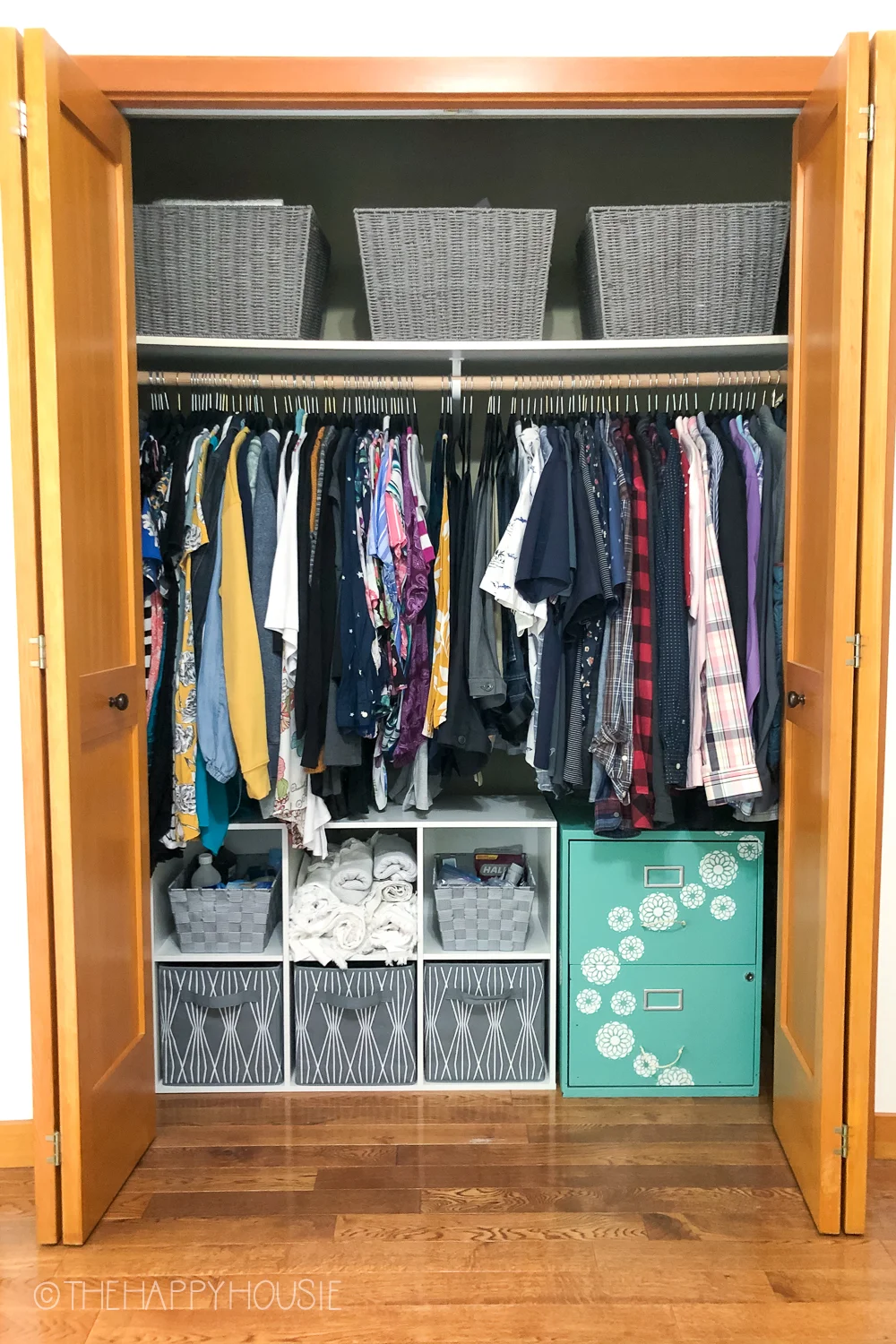
Emily implemented a seasonal rotation system, swapping out winter coats for summer dresses as the seasons changed. She stored off-season clothes in under-bed bins that slide out easily, keeping her closet uncluttered year-round.
Making frequently used items readily accessible prevents frustration and saves time. Seasonal rotation also curbs the temptation to keep everything in the closet at once, which quickly overwhelms limited space.
Maintaining Your Optimized Closet Over Time
Routine Checks and Seasonal Purges
To keep her closet in shape, Monica schedules a quick check every 3-4 months, purging items she no longer wears and re-evaluating storage solutions. This habit prevents the slow return of clutter and keeps the system fresh.
Seasonal purges are opportunities to reassess needs and switch out storage bins or accessories depending on changing weather and lifestyle.
Tips for Sustainable Organization Habits
Creating lasting organization requires sustainable habits like putting things back after use, avoiding impulse purchases that don’t fit your system, and periodically revisiting your setup. Use reminders or checklists to stay consistent.
Remember, an optimized closet is a dynamic space—be ready to adapt your organization as your wardrobe and lifestyle evolve. With commitment and the right strategies, a small closet can genuinely function like a much bigger space without the hassle of renovation.


