

Understanding the Challenge: Shared Bedroom Closets
Common Issues in Shared Closet Spaces
Sharing a bedroom closet can quickly turn into a source of frustration. Imagine Sarah and Mike, a young couple moving in together for the first time. Both brought wardrobes full of clothes, shoes, and accessories, but their closet space was limited. Within days, mismatched hangers, clothes on the floor, and a jumble of belongings made it difficult for either to find what they needed. This chaotic scenario is all too familiar in many shared spaces, where different habits, preferences, and priorities often clash, leading to clutter and disorganization.
Benefits of a Well-Organized Shared Closet
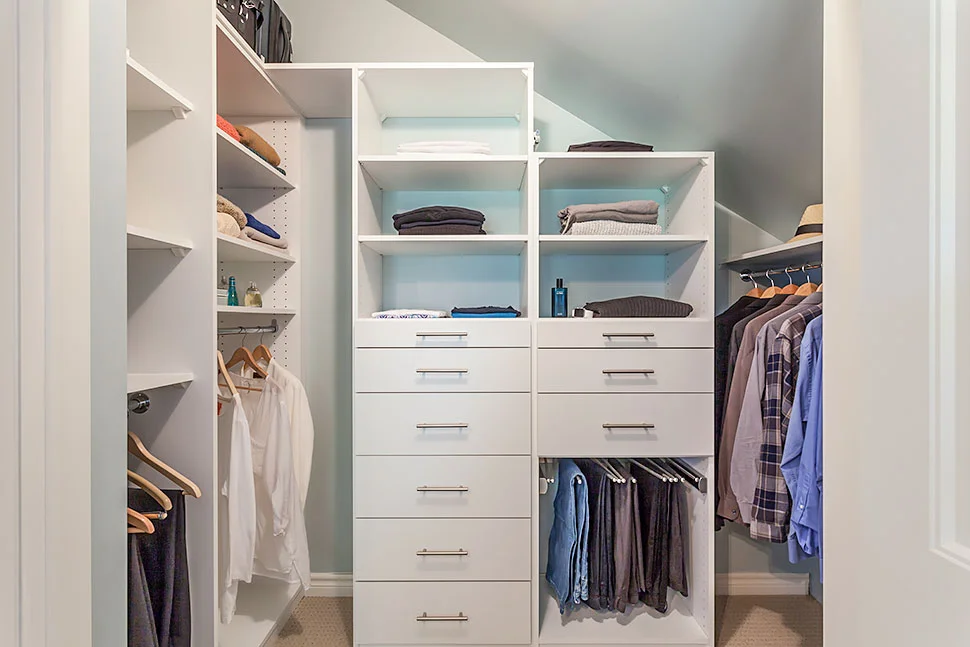
When Sarah and Mike finally tackled their closet together, they found more than just neat shelves—they discovered a smoother morning routine and less tension over shared spaces. A well-organized closet enhances accessibility, saves time, and fosters harmony between roommates or partners. It allows each person to feel respected and valued while maximizing limited space through thoughtful planning. Beyond aesthetics, a functional closet supports stress-free dressing and a feeling of order that spills into other aspects of daily life.
Preparation Before You Start
Gathering Supplies and Tools
Before diving in, it’s crucial to assemble the right tools. Sarah picked up some sturdy storage bins, matching hangers, label makers, and drawer dividers. Having these on hand makes the process smoother and more efficient. Think of this stage as setting the foundation—you wouldn’t build a house without the right materials, and the same logic applies here. A few well-chosen organizing supplies can transform a stressful project into an enjoyable one.
Setting Ground Rules with Your Roommate or Partner
Decluttering a shared space requires clear communication. Sarah and Mike sat down to discuss what each could realistically expect from the closet’s shared areas and personal zones. Defining boundaries and agreeing on a regular tidying schedule helps prevent misunderstandings. It’s about compromise and respect; if one person prefers color-coded sections while the other prefers to keep personal items private, they can find middle ground. Having these conversations upfront can save headaches down the road.
Step 1: Empty and Evaluate
Removing All Items
Start by taking everything out of the closet, one piece at a time. This may seem overwhelming but consider Jane’s experience: pulling all of her family’s belongings out led to surprising discoveries like forgotten shoes or shirts with sentimental value. Emptying the closet lets you see the actual space available and gives a clean slate for rethinking storage possibilities. Spread items out where everyone can see them to facilitate the next steps.
Assessing the Space and Its Limitations
Once empty, examine the closet’s structure. Are there adjustable shelves? How many hanging rods? Is there unused vertical space above or below? In one shared apartment, the closet was tall but lacked a second rod, so installing a second hanging bar doubled storage instantly. Recognizing these limitations helps avoid forcing too many items into an unsuitable space and guides decisions on which organizing tools are necessary.
Step 2: Sorting and Categorizing
Separate by Owner
Sorting belongings by owner prevents confusion and future disputes. Like in the story of roommates Emily and Jack, creating two distinct piles simplified the process and ensured personal belongings remained separate. This is also a good opportunity for individuals to take ownership of their own clutter, fostering responsibility and respect for shared spaces.
Declutter Items: Keep, Donate, or Discard
Sorting through clothes and accessories involves tough decisions. One practical approach is to ask, “Have I worn this in the last year?” or “Does this fit my current lifestyle?” Sarah and Mike found that donating extra items not only freed up space but also gave them a sense of lightness. Avoid the pitfall of keeping things “just in case”—being mindful keeps the space functional and avoids future clutter.
Step 3: Optimizing Closet Layout
Maximizing Vertical and Horizontal Space
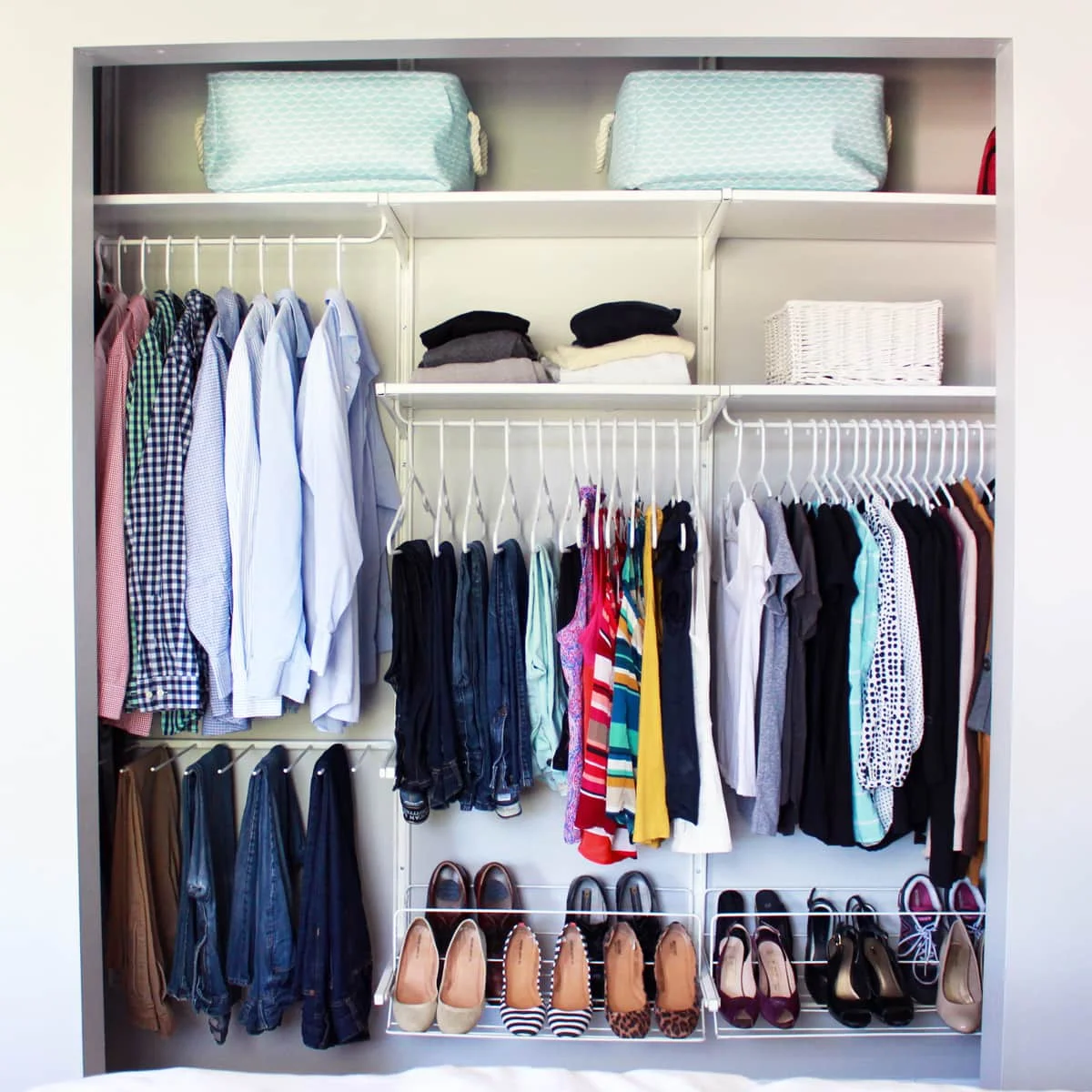
Look beyond traditional hanging rods. In a family of three sharing a closet, adding shelves above the rods and bins on the floor created valuable storage for less-used items like seasonal clothes. Hooks on closet doors can hold belts or bags, while clear plastic drawers below hanging clothes utilize otherwise wasted space. These tweaks exploit every inch, making the closet feel larger and more accessible.
Choosing Organizers That Work for Two People
Shared closets often benefit from modular organizers. For instance, dual hanging sections worked well for roommates Claire and Lisa, giving each private hanging space. Stackable cubes and clear containers help keep items visible yet contained. When choosing organizers, think about flexibility—can the solution adapt to different types of clothing or changing needs? This foresight avoids costly replacements and frustration later on.
Step 4: Assigning Zones and Storage Solutions
Creating Personalized Sections
Assigning zones gives each person a sense of ownership and keeps everything tidy. Sarah’s family designated a left side for adults and right side for children, with labeled baskets for socks and accessories. This division reduces the risk of mix-ups and makes maintenance routines easier. Personal zones can include specific shelves, drawers, or bins tailored to individual needs.
Using Labels and Clear Containers
Labels are a game-changer, especially when multiple people share the space. Jack and Emily labeled their bins clearly for pajamas, work clothes, and sports gear, preventing accidental borrowing and encouraging each to return items to their spot. Clear containers further simplify this by allowing a quick visual check without opening every box. These organizational cues reduce clutter and save time.
Step 5: Maintaining an Organized Shared Closet
Regular Check-ins and Adjustments
Maintenance is key to keeping the closet functional. Every few weeks, Sarah and Mike reviewed their setup, swapping out seasonal clothes and removing items no longer needed. These check-ins prevent clutter from creeping back and allow the space to evolve with changing wardrobes. Skipping this step often leads to slow accumulation of disorder.
Tips for Cooperating and Communicating
Decluttering isn’t a one-person job in shared spaces. Emily and Jack developed signals—like a quick text—to remind each other if something was out of place or needed returning to its zone. Setting shared goals keeps motivation high and prevents small issues from becoming bigger conflicts. Starting personal with your own clutter first shows commitment, encouraging others to follow suit.
Conclusion: Enjoying Your Functional Shared Closet
Transforming a shared bedroom closet is more than tidying up; it’s about creating a harmonious and efficient space. With clear communication, careful planning, and ongoing maintenance, the once chaotic closet becomes a source of convenience and mutual respect. Whether you’re a couple like Sarah and Mike or roommates like Emily and Jack, following these steps turns a shared closet from a battleground into a well-organized retreat where everyone’s belongings have a proper home and mornings are smoother.


