

Understanding the Importance of Organized Kitchen Drawers
How Clutter Impacts Kitchen Efficiency
Kitchen clutter, especially in drawers packed with utensils, can significantly hinder your cooking experience. When utensils are jumbled together without order, it takes longer to find the right tool, leading to frustration and wasted time. This disruption in workflow can slow down meal preparation and cooking, reducing overall kitchen efficiency. Moreover, cluttered drawers often cause utensils to get damaged or misplaced, adding to ongoing frustration.
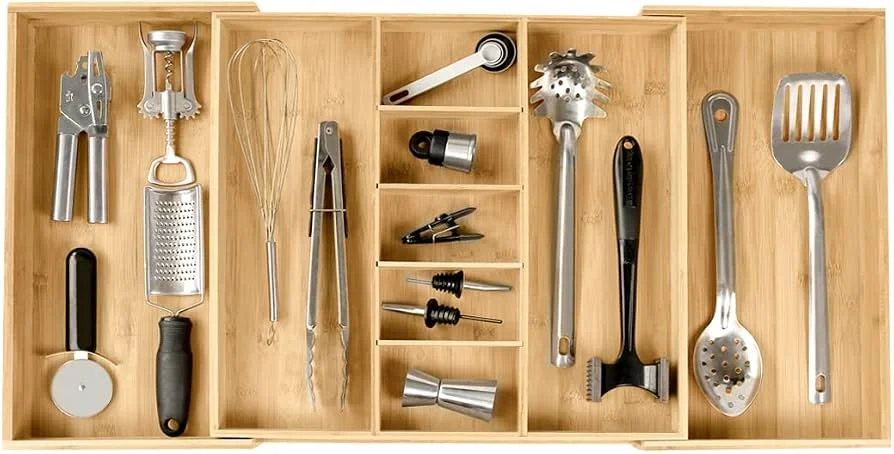
By contrast, a well-organized drawer streamlines everyday tasks, as everything is easy to locate and use. This makes cooking more enjoyable and less stressful, allowing you to focus on creating meals rather than searching for tools.
Benefits of Using Drawer Dividers for Utensils
Drawer dividers provide a practical solution to kitchen clutter. They segment the drawer into designated sections, giving each utensil its own space. This not only enhances visibility but also prevents items from shifting around when drawers are opened or closed. With dividers, you can categorize utensils by type, size, or frequency of use, which optimizes accessibility.
Additionally, drawer dividers help maintain order over time. Once you establish a system, it becomes easier to put things back in their place after every use, preventing clutter buildup. This organization technique ultimately promotes a tidier kitchen environment.
Types of Drawer Dividers Suitable for Kitchen Utensils
Adjustable vs Fixed Dividers
When selecting drawer dividers, one of the first decisions is whether to choose adjustable or fixed dividers. Adjustable dividers offer flexibility, allowing you to customize the compartment sizes according to your utensil collection. This adaptability is particularly useful if you frequently acquire new kitchen tools or have drawers with irregular dimensions.
On the other hand, fixed dividers come in predetermined sizes and layouts. These can be simpler to install and maintain, providing stable sections that don’t move. Fixed dividers are often preferred if you want a consistent organization system and have a well-understood utensil assortment.
Materials: Wood, Plastic, and Bamboo Options
Drawer dividers come in various materials, each offering distinct advantages. Wooden dividers are sturdy and provide a classic aesthetic that blends well with many kitchen styles. They tend to be durable and can be customized or crafted to fit unique drawer measurements. However, they may require occasional maintenance to avoid damage from moisture.
Plastic dividers are lightweight and often more affordable. They are easy to clean, which makes them practical for kitchen environments where spills are common. Additionally, plastic dividers can have transparent designs, enhancing visibility of utensils.
Bamboo dividers combine durability with eco-friendliness. Bamboo is naturally resistant to moisture and offers a warm appearance that adds a touch of elegance. These dividers strike a good balance between the robustness of wood and the convenience of plastic.
Custom vs Pre-Made Drawer Organizers
Custom organizers provide tailored solutions for unique drawer sizes and specific utensil collections. By measuring your drawer precisely and understanding your needs, custom dividers ensure no space is wasted. This option works best if you have unusual drawer dimensions or want a specific organization layout.
Pre-made drawer organizers are convenient and readily available in various standard sizes and styles. They are often less expensive and easier to obtain quickly. For many kitchens, these organizers provide sufficient functionality and can be combined with adjustable dividers for greater flexibility.
Step-by-Step Guide to Installing Drawer Dividers
Measuring Your Drawers for a Perfect Fit

The first step in installing drawer dividers is to measure your drawers accurately. Use a tape measure to record the length, width, and depth of each drawer. It’s essential to measure the internal dimensions, taking care to note any irregularities such as drawer grooves or handles that could affect divider placement.
Double-check your measurements to avoid choosing dividers that are too large or too small. If you plan to use adjustable dividers, ensure there is enough space for them to extend or contract without obstruction.
Choosing the Right Divider Type for Your Needs
Once measurements are complete, consider your utensils and how you want to organize them. For a varied utensil collection, adjustable dividers offer the most versatility. If your collection is relatively stable, fixed dividers or pre-made organizers might suffice.
Think about drawer materials and your kitchen’s aesthetic when selecting materials. For example, bamboo or wood dividers can complement wooden drawers, while plastic dividers may be better suited for metal or laminate drawers.
Installation Tips and Tricks
Before installing, clear out the drawer completely and clean it. This ensures a fresh start and reduces any debris that could obstruct fitting. If the dividers require assembly, follow the manufacturer’s instructions carefully.
Place the dividers inside the drawer to check alignment and adjust positioning before securing them. For fixed dividers that need gluing or nailing, use tools cautiously to avoid damaging the drawer surface. If using tension rods as adjustable dividers, make sure they fit tightly to avoid slipping.
Creative Arrangements to Maximize Space and Accessibility
Grouping Utensils by Usage
To maximize both space and accessibility, organize utensils based on how frequently and in what context they are used. Keep the most regularly used items, such as spoons, spatulas, or knives, near the front of the drawer for quick access. Less frequently used utensils can be placed toward the back.
Grouping similar utensils together—like baking tools in one section and cooking spoons in another—helps create order and simplifies meal preparation. This system also makes it easier to identify and remove duplicates or unnecessary items during decluttering.
Utilizing Vertical and Horizontal Dividers
Using a combination of vertical and horizontal dividers can enhance drawer space management. Vertical dividers are great for separating long utensils such as whisks or tongs, standing them upright for visibility. Horizontal dividers function well for grouping smaller utensils like measuring spoons or peelers flat and organized.
This mix of orientations helps fully utilize drawer height and width, reducing wasted space and making it simpler to maintain order.
Incorporating Multi-Level Drawer Inserts
Multi-level inserts provide an innovative way to add storage capacity within a single drawer. These inserts stack layers of compartments, allowing you to separate items not only side by side but also vertically. This is ideal for kitchens with limited drawer space but a need for organized utensil storage.
Using multi-level inserts means you can dedicate separate layers for different categories, such as one layer for cooking utensils and another for baking tools, without mixing them. This vertical expansion keeps everything visible and accessible while saving countertop or cabinet space.
Maintenance Tips for Long-Lasting Drawer Organization
Cleaning and Care of Dividers
To keep drawer dividers in excellent condition, clean them regularly. For wooden or bamboo dividers, wipe them with a damp cloth and mild soap, then dry promptly to prevent moisture damage. Plastic dividers can often be removed and washed with warm water and a gentle detergent.
Regular cleaning removes dust, food debris, and spills that accumulate over time, preserving both function and appearance. Avoid harsh chemicals that could degrade the material or finish of your dividers.
Regular Decluttering Practices
Even with dividers, utensil drawers can become cluttered if not maintained. Periodically review the contents of your drawers to remove items that are broken, duplicate, or rarely used. Decluttering keeps the space manageable and ensures your organization system remains efficient.
Ask yourself questions like “What would make this drawer better?” and “What don’t I like about how this drawer is currently arranged?” This reflection helps to fine-tune your system over time. By staying attentive, you prolong the benefits of organized drawers and create a kitchen environment that supports easy cooking and cleaning.


