

Understanding Minimalism in the Family Context
Defining Minimalism for Families
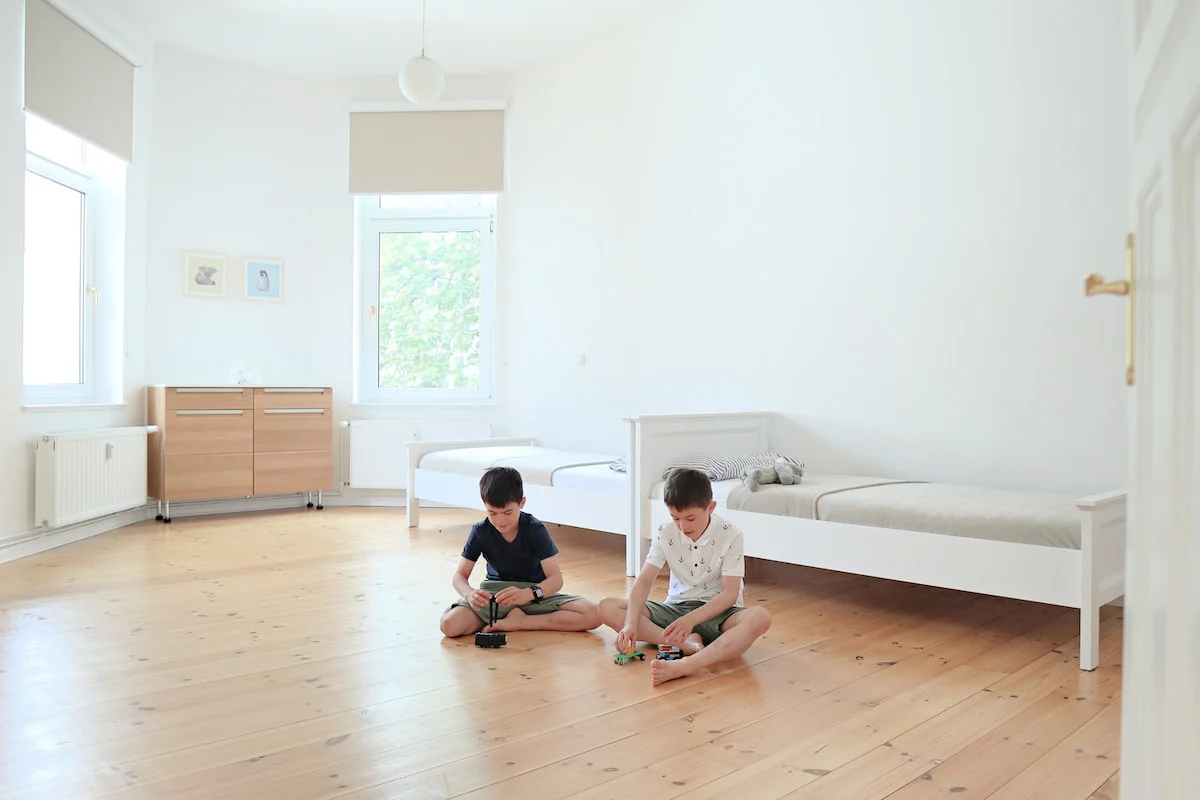
Minimalism often brings to mind images of empty rooms and bare shelves, but for families, it’s less about starkness and more about intentional living. It means prioritizing what truly matters—relationships, experiences, and meaningful possessions—while reducing excess that overwhelms daily life. When approached with children in mind, minimalism becomes a flexible mindset rather than rigid rules. It’s about creating space, both physical and emotional, so every family member feels comfortable and valued.
Benefits of a Minimalist Lifestyle for Kids
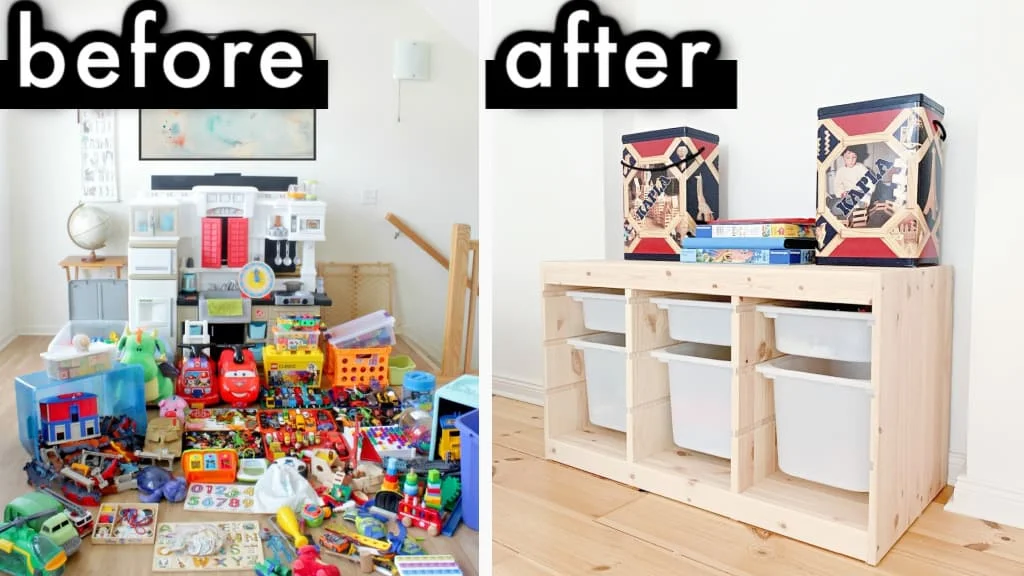
Imagine a child coming home to fewer toys but more opportunities to imagine and create. Minimalism helps kids develop decision-making skills by encouraging them to choose what they truly enjoy, rather than being surrounded by clutter. Families often notice less stress, more quality time, and improved focus as a result. For example, a mother of two observed that after decluttering their playroom, her children spent more time playing together cooperatively and less time overwhelmed by mess.
Common Challenges Families Face
Adopting minimalism can be tricky with kids. Emotional attachments to toys or sentimental items create resistance, and parents may feel guilty about letting things go. Schedules packed with activities make simplifying routines feel impossible. Additionally, differing opinions within the family about what to keep or discard require patience and compromise. It’s common to encounter pushback, especially when children or spouses feel their individuality is being threatened by the changes.
Starting the Minimalist Journey as a Family
Getting Everyone on Board: Family Meetings and Communication
The first step to a successful minimalist lifestyle with children is open, ongoing conversations. Sitting down for a family meeting allows everyone to express their feelings and expectations. Starting the dialogue with “Why do we want to change?” helps clarify the benefits for everyone, from reducing stress to saving money or creating more time for fun. One father shared how he let his kids share their favorite items during these talks, which made them feel heard and more willing to participate.
Setting Realistic Goals and Expectations
Recognizing that minimalism isn’t about getting rid of everything overnight prevents frustration. Setting achievable goals, like decluttering one room a month or limiting new purchases to essentials, creates momentum without overwhelming the family. A couple with young children found success by starting with clothing and toys, then gradually moving to other areas. This paced approach helps the entire family adjust and keeps the process positive.
Decluttering Strategies Tailored for Children
Age-Appropriate Decluttering Activities
Children’s developmental stages impact how they understand and engage with decluttering. Younger kids might enjoy sorting toys into ‘keep,’ ‘donate,’ and ‘sell’ boxes as a fun game, while older children can take lead roles in deciding what they truly use. Turning the activity into a challenge or a story about creating space for new adventures makes the process exciting. Parents have found that celebrating small victories, like donating toys to a local shelter, instills pride and teaches empathy.
Teaching Kids the Value of Letting Go
When a child struggles to part with a beloved toy, reframing the conversation helps. Instead of focusing on loss, parents can emphasize the joy their donation brings to another child or the new possibilities created by making space. Storytelling or reading books about sharing and gratitude supports these lessons. One mom shared how she created a ‘memory box’ for special items, combining respect for feelings with minimalism’s practicality.
Managing Toys, Clothes, and School Supplies
Children’s belongings often multiply quickly, so establishing a routine helps keep clutter at bay. For toys, rotating a limited number out of reach encourages children to appreciate what they have without being overwhelmed. Clothes can be sorted by season or size, with outgrown items donated or swapped with other families. School supplies benefit from a streamlined approach—keeping only essentials and replenishing as needed reduces waste. Families who implement these habits report smoother mornings and less tension around tidying.
Creating Functional Minimalist Spaces
Designing Kid-Friendly Minimalist Rooms
A minimalist kid’s room balances simplicity with creativity. Installing open shelves at a child’s height encourages independence in choosing and putting away items. Neutral color schemes paired with a few vibrant accents keep the space calming yet lively. A family once redesigned their daughter’s bedroom to have one large toy storage bin instead of many small boxes, which made clean-up easier and gave her a clearer sense of her possessions.
Utilizing Multi-Purpose Furniture and Storage Solutions
Maximizing space with smart furniture choices is key in a busy household. Beds with drawers underneath, tables that double as storage, and benches with hidden compartments reduce the need for extra pieces. This approach keeps rooms uncluttered while meeting multiple needs. One father shared how a foldable craft table helped keep his children’s art supplies organized and accessible without dominating the room.
Incorporating Minimalism into Daily Family Routines
Streamlining Meal Planning and Preparation
Meals often create clutter and stress in families. Simplifying meal planning using a weekly menu cuts down on decision fatigue and reduces food waste. Incorporating batch cooking or using versatile ingredients streamlines grocery shopping and cooking. A family who used to eat on the go found that setting aside one evening for meal prep freed up their weekends and made mealtime calmer and more enjoyable.
Simplifying Family Schedules and Activities
Busy calendars can overwhelm parents and children alike. Prioritizing activities that align with family values and canceling less meaningful commitments creates breathing room. Parents can work together with kids to select a few favorite activities rather than overbooking. A mother recalled how downsizing her son’s soccer commitments made him happier and improved his school focus.
Encouraging Mindful Consumption Habits
Teaching children to think before acquiring new things fosters sustainable habits. Discussing questions like “Do I need this?” or “Will I use it often?” helps kids and adults alike avoid impulse purchases. Celebrating experiences like family trips, rather than material gifts, reinforces what matters most. One family redirected holiday spending toward a memorable beach vacation, creating lasting memories rather than piles of presents.
Maintaining Minimalism Long-Term
Regular Family Check-Ins and Adjustments
Minimalism evolves with the family. Holding brief monthly meetings to discuss what’s working and what’s overwhelming keeps communication open and habits aligned. Accepting that needs change allows for flexibility without losing sight of core principles. A couple shared how quarterly check-ins became a cherished ritual that strengthened both their minimalist lifestyle and family bonds.
Handling New Acquisitions Mindfully
New items inevitably enter family life, whether gifts, school supplies, or hobbies. Applying a mindful filter before bringing things into the home helps maintain balance. Families can establish “one in, one out” rules or delay purchases to evaluate necessity. Celebrating experiences over possessions reduces the temptation for accumulation, making new acquisitions feel purposeful.
Teaching Children Minimalism as a Lifelong Value
Passing down minimalist values happens through example and gentle guidance. Encouraging gratitude, appreciation for quality over quantity, and respect for belongings helps children internalize these lessons. Storytelling about the family’s minimalist journey connects values with emotions. One parent reflected how her teenager now helps younger siblings declutter, showing that minimalism can truly become a shared family legacy.


