

Understanding Budget Constraints in Renovation
Assessing Your Financial Limits
Renovating your home is exciting, but doing it on a tight budget requires a clear understanding of your financial boundaries. The first step is to take a candid look at your current financial situation. This means not only factoring in your savings but also considering any financing options you might have. Whether it’s a personal loan, a home equity line of credit, or credit cards, knowing the funds available will guide every decision you make. Being realistic about what you can spend helps prevent overspending and the stress of unfinished projects.

Common Renovation Costs to Expect
When planning renovations, it’s useful to have a rough idea of typical expenses. Structural repairs, materials, labor, permits, and unexpected issues can add up quickly. Even minor updates in kitchens or bathrooms can run higher than anticipated. Understanding where the biggest costs lie helps you avoid surprises down the road. Don’t forget to set aside a contingency fund, usually 10-20% of your budget, to cover any unforeseen expenses that might pop up.
Setting Clear Renovation Goals
Defining Must-Haves vs. Nice-to-Haves
Before you start, it’s crucial to separate what you really need from what would be nice to have. Must-haves are often tied to safety, comfort, or increasing home value. Nice-to-haves might include aesthetic upgrades or luxury finishes. This distinction keeps your project focused, especially when money is tight. If you try to tackle everything at once, quality can suffer or important repairs might be pushed aside. Prioritize those essentials to make the most impact.
Identifying High-Impact Areas for Improvement
Some home areas give more bang for your buck than others. Kitchens and bathrooms often top the list since improvements here can boost functionality and modernize your space quickly. Enhancing lighting or updating fixtures offers instant visual appeal without breaking the bank. Consider what improvements will enhance your daily living experience and increase your home’s market value. This strategic focus ensures that your limited budget packs maximum punch.
Evaluating Project Priorities Strategically
Safety and Structural Integrity First
Safety should never be compromised. If you notice signs of structural damage, outdated wiring, or plumbing issues, these need to be addressed before anything else. These foundational problems can worsen over time, leading to costly repairs or dangerous living conditions. Even on a tight budget, directing funds toward these critical areas protects your home and your family’s well-being.
Energy Efficiency Upgrades as Cost Savers
Investing in energy-efficient upgrades might seem like a bigger expense upfront, but it pays off in the long run. Swapping out old appliances for energy-saving models reduces utility bills and adds to your home’s eco-friendliness. Similarly, sealing drafts, upgrading insulation, or installing efficient heating and cooling systems lower ongoing costs. These smart investments improve comfort and save money, making them a wise priority when renovating on a budget.
Enhancing Functionality Versus Aesthetic Changes
While making your home look beautiful is important, functionality should take precedence. Upgrades that improve how you use your space—like adding modular shelving or fold-away furniture—make everyday life easier and more enjoyable. Visual updates, such as repainting or replacing cabinet doors, can refresh your home’s appearance without major expense. Balancing these two aspects ensures your renovation delivers practical benefits alongside style.
Cost-Effective Planning and Scheduling
Phasing Projects to Spread Out Expenses
Trying to complete all renovation projects at once can strain your budget and cause quality to suffer. Instead, consider breaking your renovation into manageable phases. Start with the most urgent tasks and gradually tackle other improvements as funds become available. This approach reduces financial pressure and allows time for careful planning and adjustments. Plus, seeing steady progress keeps motivation high.
Timing Renovations for Better Deals
Certain times of the year can offer better pricing on materials and labor. For example, contractors might have more availability during off-peak seasons and offer discounts. Suppliers often reduce prices on inventory clearance or seasonal sales. By scheduling renovations strategically, you can take advantage of these savings. Being flexible with your timeline can make a noticeable difference in overall costs.
Materials and Labor: Balancing Quality and Cost
Choosing Durable Yet Affordable Materials
Selecting materials is one of the most important decisions in preserving quality without overspending. Look for options that offer durability and style but don’t come with a premium price tag. For instance, laminate countertops can mimic stone surfaces at a fraction of the cost, and high-quality vinyl flooring can withstand heavy traffic while being budget-friendly. Prioritize materials that provide longevity—investments that pay off over years of use.
Hiring Skilled Tradespeople Without Overspending
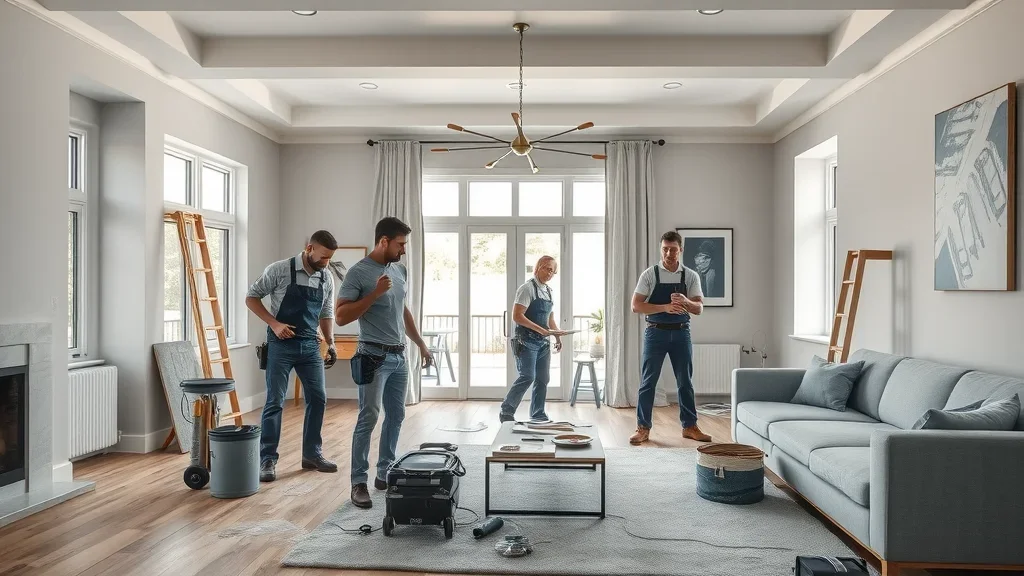
Your labor costs can vary widely depending on whom you hire. It’s worth investing in skilled tradespeople for complex tasks to ensure safety and quality workmanship. However, by getting multiple quotes and checking references, you can find professionals who offer fair prices. Avoid the temptation to hire the cheapest option without vetting, as poor work often leads to costly fixes later. Striking this balance protects both your budget and home.
Leveraging DIY and Professional Help
Which Tasks You Can Safely Handle Yourself
Homeowners often save money by tackling simple tasks like painting, installing light fixtures, or assembling furniture on their own. These projects don’t just cut costs but also give a sense of personal achievement. Small updates like replacing cabinet doors or updating hardware can transform spaces with minimal expense and effort. Just be honest about your skill level; attempting complicated jobs without experience can backfire.
When It’s Worth Investing in Expert Services
There are areas where professional help isn’t just recommended—it’s necessary. Electrical work, plumbing, and HVAC systems require expertise to meet safety codes and function correctly. Hiring licensed contractors for these jobs prevents hazards and ensures your renovation adheres to regulations. Professional advice can also offer financial guidance, helping you make cost-effective decisions that maintain quality throughout the process.
Tracking Progress and Staying Flexible
Monitoring Budget and Timeline Closely
Keeping a close eye on your budget and schedule is essential to avoid surprises. Regularly compare actual spending against your initial estimates and note any delays. This practice helps you catch potential overruns early, allowing you to adjust plans before things get out of control. Staying organized with receipts, contracts, and timelines provides clarity and peace of mind.
Adjusting Priorities Based on Unexpected Expenses
Renovation projects often come with surprises. When unexpected costs arise, it’s important to reassess priorities and be flexible. This might mean postponing non-essential upgrades or choosing more affordable materials to stay within budget. The goal is to maintain quality where it matters most without feeling defeated by unforeseen hurdles. Adaptability is key to successful renovations on a tight budget.
Final Tips for Maximizing Renovation Quality on a Budget
Renovating on a shoestring doesn’t mean sacrificing quality. Start by thoroughly understanding your finances and clearly defining your renovation goals. Focus on safety and functionality before aesthetics, and look for energy-saving upgrades that reduce long-term costs. Break projects into phases, shop smart for materials, and know when to call in professionals. Don’t underestimate the power of small changes like updating fixtures or using mirrors and light colors to enhance space perception.
Remember, flexibility is your greatest asset. Tracking progress closely and adjusting plans as needed will help you stay on course. With thoughtful prioritization and a strategic approach, you can transform your home beautifully and responsibly—even when every dollar counts.


