

Why Choose High-Protein Plant-Based Snacks?
Benefits for Weight Loss
Choosing high-protein plant-based snacks plays a crucial role in weight management. Protein, known for its high thermic effect, requires more energy to digest compared to fats or carbohydrates, meaning your body burns more calories processing it. Additionally, protein helps regulate appetite hormones, signaling fullness to your brain for extended periods and reducing overall calorie intake. When paired with fiber-rich plant foods, these snacks also add bulk and slow digestion, which further supports satiety. This combination makes plant-based protein snacks an effective tool for controlling hunger and promoting fat loss.
Role in Muscle Recovery
After exercising, your muscles need protein for repair and growth. Plant-based protein sources, when consumed in snacks, provide the necessary amino acids that support muscle recovery. It’s important to consume protein consistently throughout the day rather than loading up in one or two meals, as this steady intake optimizes muscle protein synthesis. High-protein snacks between meals or post-workout offer an efficient way to meet these needs without heavy or calorie-dense foods, particularly beneficial for those focusing on both fat loss and muscle maintenance.
Environmental and Health Advantages
Opting for plant-based snacks not only benefits your personal health but also the environment. Plant proteins generally have a lower carbon footprint compared to animal-based options, reducing the environmental impact of your diet. Moreover, plant-sourced proteins often come packed with additional nutrients such as fiber, antioxidants, and phytochemicals that promote overall wellness. These factors make high-protein plant-based snacks a sustainable and health-conscious choice for conscientious consumers.
Top Plant-Based Protein Sources for Snacking
Legumes and Pulses
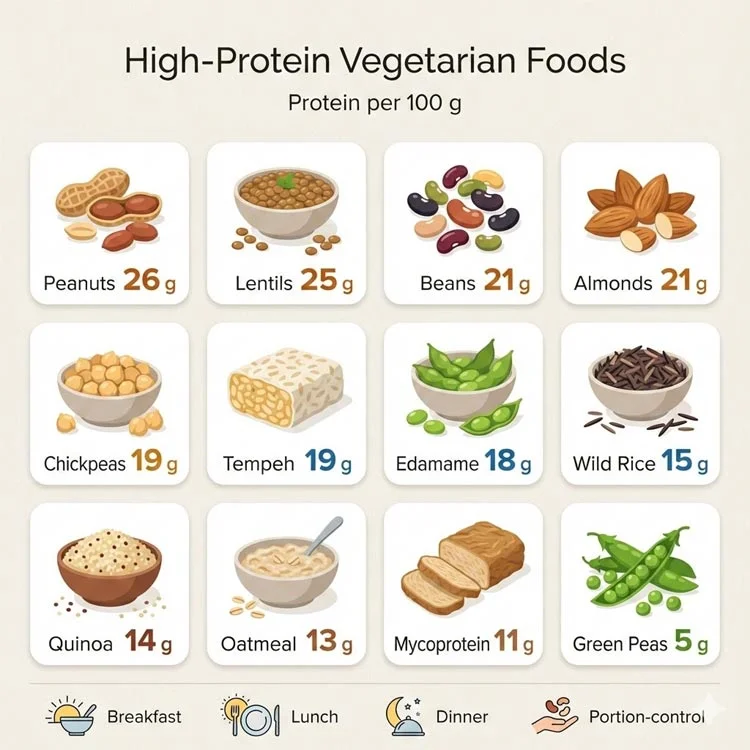
Legumes, such as chickpeas, lentils, and beans, are foundational protein sources in plant-based diets. They are rich in both protein and fiber, helping to maintain fullness and stabilize blood sugar levels. When incorporated into snacks, they provide substantial energy and support muscle repair. Roasting chickpeas, for example, transforms them into a crunchy, satisfying snack that’s easy to prep and carry on the go.
Nuts and Seeds
Nuts and seeds offer dense sources of protein along with healthy fats, vitamins, and minerals. Almonds, walnuts, chia seeds, and pumpkin seeds are especially popular choices for snacking. While they are calorie-dense, when consumed mindfully, these snacks contribute to satiety and nutrient intake. Adding nuts or seeds to yogurt, salads, or smoothies can increase protein content while enhancing texture and flavor.
Whole Grains and Pseudocereals
Whole grains like quinoa, oats, and buckwheat provide moderate amounts of protein along with complex carbohydrates and fiber. Pseudocereals like quinoa have the advantage of containing all essential amino acids, making them complete protein sources. Including these in snacks adds sustained energy and aids muscle recovery. Preparing salads or energy bars using these grains is a practical way to elevate protein intake between meals.
10 Best High-Protein Plant-Based Snacks
Roasted Chickpeas with Spices
Roasted chickpeas offer a crunchy and flavorful protein boost. Toss chickpeas with a bit of olive oil and your favorite spices, then roast at 350°F (about 175°C) for 45 minutes. This snack is not only easy to prepare but also keeps well for several days, making it convenient for busy schedules.
Almond Butter and Apple Slices
Pairing almond butter with crisp apple slices creates a delicious combination of protein, fiber, and natural sweetness. However, almond butter should be used sparingly due to its fat and calorie content. Adding a sprinkle of cinnamon enhances flavor without extra calories, offering a satisfying and balanced snack.
Edamame Pods
Steamed or boiled edamame pods are a natural source of complete protein with a subtle, slightly sweet taste. These young soybeans are simple to prepare and can be enjoyed warm or cold, making them a fresh and nutritious snack option with minimal processing.
Chia Seed Pudding with Plant Milk
Chia seeds, when mixed with plant-based milk and refrigerated, absorb liquid and create a pudding-like texture rich in protein, fiber, and omega-3 fatty acids. This snack is versatile and easily customizable with added fruits or nuts for extra nutrients and flavor variety.
Vegan Protein Bars
Store-bought vegan protein bars can be convenient snacks, but it’s important to scrutinize nutrition labels. Avoid those with sugar among the first ingredients or excessive sodium levels. Opt for bars that use natural protein sources like pea or brown rice protein and have balanced macronutrients to support your weight loss and recovery goals.
Hummus with Veggie Sticks
Hummus, made from blended chickpeas, is a creamy protein-packed dip perfect for pairing with crunchy vegetable sticks such as carrots, celery, or bell peppers. This combination provides fiber and micronutrients alongside protein, supporting satiety and nutrient diversity in your diet.
Quinoa and Black Bean Salad
Combining quinoa and black beans creates a complete protein profile along with fiber and antioxidants. This salad can be prepared in advance and stored for quick, satisfying snacking. Adding fresh veggies and a light dressing enhances taste while keeping calories in check.
Peanut Butter Energy Balls
Energy balls made from peanut butter, oats, and seeds provide portable protein and sustained energy. Due to peanut butter’s calorie density, it’s best to consume these in moderation. Pairing with apple slices and cinnamon offers a naturally sweetened and balanced snack option.
Tempeh Jerky
Tempeh jerky is a savory, high-protein snack that’s easy to pack and eat on the move. While monitoring sodium intake is essential, especially with jerky products, tempeh jerky offers plant-based protein beneficial for muscle maintenance and fat burning.
Trail Mix with Nuts and Seeds
A well-made trail mix combining various nuts and seeds offers a mix of protein, healthy fats, and fiber. Be cautious of added sugars or excessive salt, and focus on mixes that use whole, minimally processed ingredients. This snack is great for quick energy and muscle support throughout the day.
How to Incorporate These Snacks Into Your Daily Routine
Pre- and Post-Workout Strategies
Eating high-protein plant-based snacks before a workout ensures your muscles have fuel to perform, while post-workout snacks aid in recovery and rebuilding. For pre-workout, opt for easily digestible options like a small portion of roasted chickpeas or a chia pudding. After exercise, a combination of protein and carbohydrates, such as a quinoa and black bean salad or a vegan protein bar, can replenish energy stores and support muscle repair efficiently.
Meal Timing Tips
To maximize benefits, spread your protein intake across multiple meals and snacks rather than consuming large amounts at once. This steady supply ensures continuous muscle protein synthesis and helps control appetite throughout the day. Planning packable snacks like parfaits with Greek-style plant yogurt, berries, and nut-filled granola or making chia pudding in advance can keep you on track even with a busy schedule.
Expert Tips for Maximizing Protein Absorption
Combining Amino Acids
Since most plant proteins are not complete on their own, combining different protein sources helps ensure you get all essential amino acids. Pairing legumes with whole grains, such as beans with quinoa or rice, creates a full amino acid profile. This approach enhances the effectiveness of snacks in muscle building and repair.
Hydration and Recovery
Proper hydration is often overlooked but critical when focusing on muscle recovery and protein metabolism. Drinking adequate water aids digestion and nutrient transport, while also helping reduce post-exercise soreness. Incorporating hydrating foods and fluids along with your high-protein snacks can optimize your recovery process.


