

Why Soundproofing Matters in Small Apartments
Common Noise Issues Faced by Apartment Dwellers
Living in a small apartment often means dealing with unwanted noise from neighbors, street traffic, or even the building’s own creaks and hums. Thin walls, shared floors, and close proximity can turn everyday sounds into persistent disturbances. Whether it’s loud conversations next door, footsteps from the upstairs unit, or blaring music, these noises chip away at your peace and quiet.
Benefits of Effective Soundproofing
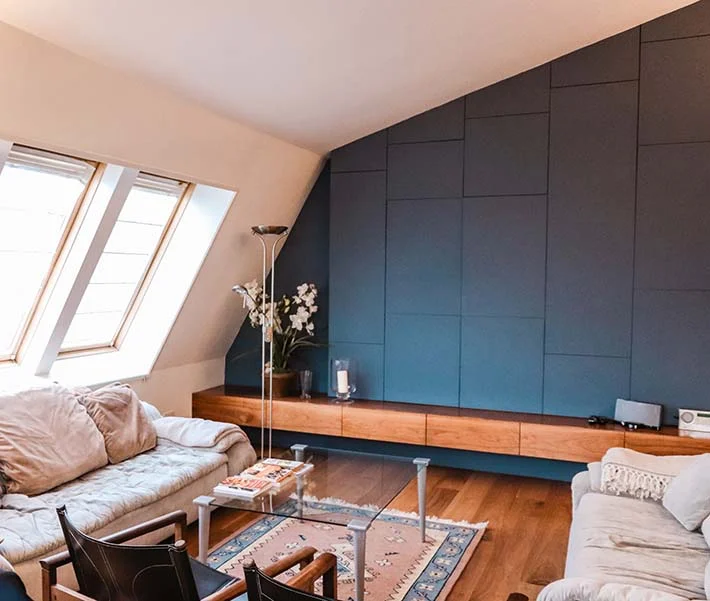
Soundproofing transforms your small apartment into a haven of calm. Beyond better sleep and reduced stress, it improves focus, which is especially important if you work or study from home. A well-soundproofed space also increases privacy, letting you enjoy conversations and media without worrying about eavesdroppers or disturbing others. Plus, it’s a simple way to boost your home’s comfort without moving.
Understanding Sound Transmission in Apartments
Types of Noise to Address: Airborne vs. Impact Noise
Before diving into solutions, it helps to understand the types of noise common in apartments. Airborne noise travels through the air—think talking, music, or TV sound. Impact noise, on the other hand, comes from physical contact, such as footsteps, dropped objects, or moving furniture. Both require different strategies to effectively reduce their intrusion in your space.
Watch the Tutorial
Identifying Weak Points in Your Apartment
Sound sneaks in through the smallest gaps. Doors and windows are often weak spots, especially if they have gaps underneath or around the frame. Shared walls, thin floors, and ceilings can also let noise through. Recognizing these vulnerabilities is key to directing your DIY efforts where they’ll make the biggest difference.
Budget-Friendly Materials for DIY Soundproofing
Using Weatherstripping and Door Sweeps
Sealing gaps is one of the easiest and most affordable ways to cut down noise. Weatherstripping around windows and doors blocks sound leaks without major renovations. Door sweeps close the gap beneath doors, stopping sounds from slipping in or out. These small additions often make a surprisingly big impact on noise reduction.
Affordable Acoustic Panels and Alternatives
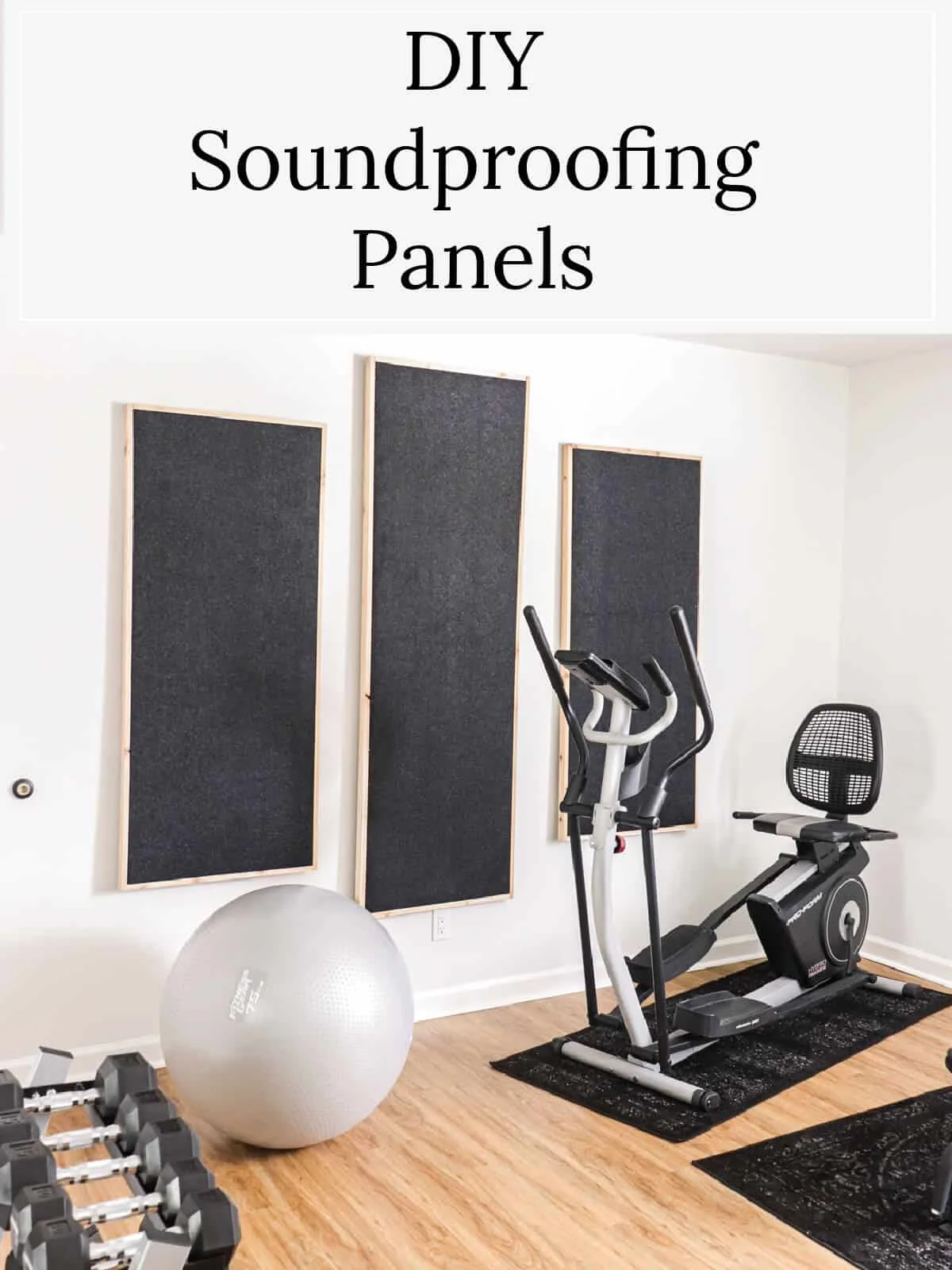
While professional acoustic panels can be pricey, there are budget-friendly alternatives for DIY projects. Felt pads, in particular, are excellent at absorbing speech and music sounds. You can even get creative by using preserved moss panels, which add sound absorption while keeping a minimalist look and saving floor space. These options bring both function and style to your apartment.
Utilizing Rugs, Curtains, and Soft Furnishings
Soft surfaces are natural sound absorbers. Using thick curtains made of dense, heavy fabric—like high-quality velvet with substantial fabric weight—helps block noise from outside. For best results, aim for curtain fullness of at least 100%, meaning if your window is 50 inches wide, get 100 inches of fabric. Rugs also play a vital role, but focus on tight weaves rather than just pile height, as thicker piles only reduce sound marginally. Placing cut-up old rug pads under sofas or beds can further dampen impact noise.
Step-by-Step DIY Soundproofing Projects
Sealing Gaps Around Doors and Windows
Start by inspecting doors and windows for any cracks or openings. Apply weatherstripping tape along the edges and install door sweeps beneath doors to create tight seals. Check for overlooked areas, as even tiny gaps can let significant noise through. Taking the time to seal these weak points often results in immediate and noticeable sound reduction.
Creating Temporary Wall Barriers
If wall noise feels overwhelming, creating temporary barriers can help without damaging your walls. Hanging thick quilts or blankets over shared walls absorbs sound, while attaching panels of felt or preserved moss adds a stylish and effective layer of insulation. Another trick is to use wood bookshelves filled with books against noisy shared walls, as these soft woods absorb ambient sounds quite well.
Installing Soundproof Curtains and Rugs
Invest in soundproof curtains that extend beyond the window frame and use double rods, preferably a French-return style rod, to avoid sound and light leaks. Complement these with area rugs layered with rug pads to maximize impact noise absorption. Placing rugs under frequently walked paths or beneath heavy furniture builds an extra buffer against floor noise.
Creative Hacks to Enhance Soundproofing in Rental Apartments
Non-Permanent Solutions That Won’t Damage Walls
Renters often can’t make permanent changes, but many effective fixes don’t require drilling or nails. Command strips can hang lightweight acoustic panels or fabric art to soften noise. Plants, especially ficuses and rubber trees, work wonders by absorbing sound naturally while brightening your space. Preserved moss panels offer minimalism plus sound absorption without using floor space.
Maximizing Furniture Placement for Noise Reduction
Strategically arranging furniture can block or absorb noise. Placing large, soft wooden bookshelves against shared walls helps muffle loud neighbors. Positioning sofas or beds with rug pads underneath in noisy areas creates additional sound barriers. Even simple shifts in where you place your seating or work area can make a difference in how much noise you experience.
When to Consider Professional Help or Upgrades
Signs You Need More Than DIY Solutions
If noise intrusion persists despite all your DIY efforts, it might be time to look beyond temporary fixes. Signs include constant disturbance, inability to sleep, or distractions even after adding curtains, rugs, and sealing gaps. Certain issues—like builder-grade hollow doors or single-pane windows—may require permanent upgrades or professional interventions to truly resolve your noise problems.
Cost vs. Benefit of Professional Soundproofing
While professional soundproofing can be costly, it’s an investment in long-term comfort and privacy. For severe noise issues, options like window inserts, solid-core door replacements, or expertly installed acoustic insulation can dramatically improve your living conditions. Balancing budget constraints with your quality of life will help you decide when it’s worth moving beyond DIY solutions.


