

Understanding the Healing Power of Chicken Soup
Historical and Cultural Significance
Chicken soup has been embraced across cultures for centuries as a comforting remedy during illness. From traditional Jewish penicillin to Asian herbal variations, it holds a special place in the culinary traditions aimed at promoting wellness. This widespread use isn’t just folklore; it reflects a global understanding that chicken soup does more than satisfy hunger—it nurtures the body and spirit when we feel under the weather.
Scientific Insights on Chicken Soup and Immunity
Modern science supports many of these traditional beliefs. Chicken soup contains proteins that aid the production of immunoglobulins—antibodies crucial for fighting respiratory infections. Additionally, its warmth and hydration help soothe irritated mucous membranes. The steam alone clears nasal passages, making breathing easier. When combined with nutrient-rich ingredients, chicken soup becomes a powerful natural ally against cold symptoms.
Essential Chicken Soup Ingredients for Cold Relief
Base Components: Broth and Chicken
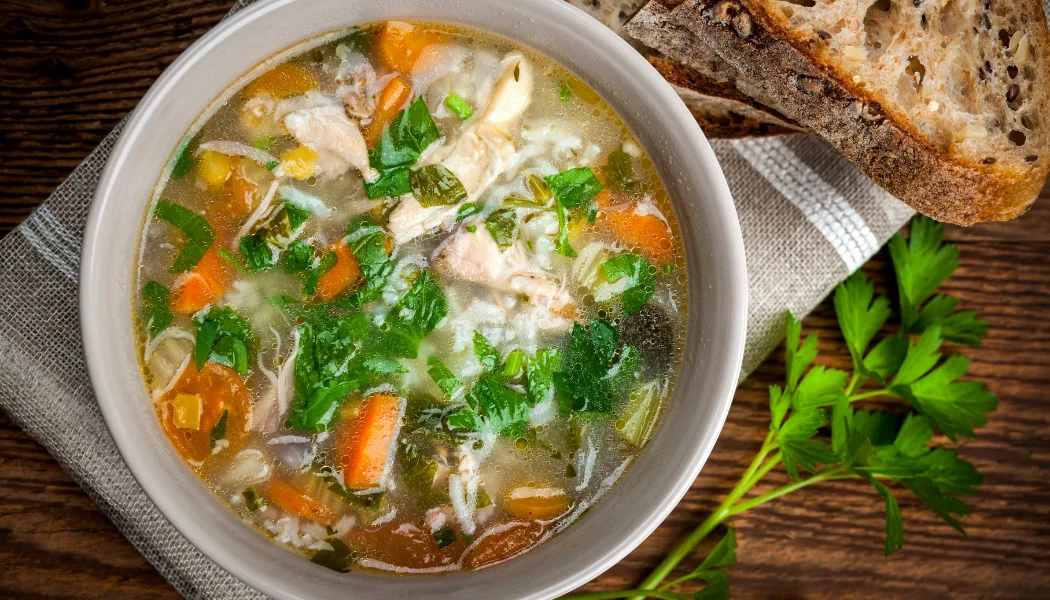
The foundation of any effective chicken soup is a quality broth. Homemade chicken broth is ideal, allowing control over salt and fat content while ensuring rich flavor. If homemade isn’t an option, unsalted, low-fat boxed or canned broth works well. Browning the chicken pieces before simmering intensifies the taste. Removing bones after cooking leaves pure meat for a tender texture that blends well into the broth.
Healing Vegetables and Herbs
Vegetables like celery, onion, carrot, and shiitake mushrooms add much more than color and crunch. They contribute valuable antioxidants and minerals that support the immune system. Freshness is key—these ingredients should be added at the right stage to retain nutrients. Simmering chicken with green onion and ginger for about 15 minutes before introducing other vegetables unlocks their medicinal properties, infusing the broth with natural healing compounds.
Spices that Boost the Immune System

Spices transform chicken soup from a simple meal to a health-boosting beverage. White pepper, garlic powder, sea salt, and ground turmeric bring warmth and immune support. Garlic has known antiviral and antibacterial qualities, while turmeric’s anti-inflammatory effects can help ease cold-related discomfort. Adding these at the end of cooking preserves their active compounds, maximizing their benefits.
Natural Additives to Enhance Flavor and Health Benefits
Aromatics and Their Medicinal Roles
Aromatics such as garlic, ginger, and green onions don’t just enhance flavor—they lift the soup’s healing potential. Ginger’s warming and anti-inflammatory properties make it a standout ingredient. For a more intense flavor, ginger and cinnamon tea can be simmered for 20 minutes or longer. Similarly, adding lemon peel and ginger slices to hot lemonade offers soothing relief, complementing the soup’s effects.
Superfoods to Incorporate
Incorporating superfoods like shiitake mushrooms enriches the broth with vitamins and immune-boosting compounds. Rice wine stirred in for flavor can add a subtle depth while providing antioxidants. These additions go beyond taste—they contribute valuable nutrients that help the body recover faster. Remember, consuming the soup while it’s hot not only comforts but also helps warm the spirit during sickness.
Step-by-Step Guide to Preparing Soothing Chicken Soup
Ingredient Preparation Tips
Start by browning chicken pieces to develop flavor, then simmer them with green onion and fresh ginger for about 15 minutes. This step not only infuses the broth with healthful benefits but also tenderizes the meat. If you’re making soup a day ahead, store the broth and chicken meat separately to maintain freshness. Fresh vegetables should be chopped just before adding them to retain their nutrients.
Cooking Process for Maximum Nutrient Retention
Simmer the broth gently rather than boiling vigorously to preserve the delicate vitamins and minerals. Add vegetables like celery, carrots, onions, and shiitake mushrooms after the initial simmer to prevent overcooking. Season with white pepper, garlic powder, sea salt, and ground turmeric toward the end of cooking. This layering of flavors ensures your soup not only tastes great but also retains its full health potential.
Common Mistakes to Avoid When Making Healing Chicken Soup
One common pitfall is overcooking vegetables, which can strip them of valuable nutrients. Another mistake is using broth that’s too salty or loaded with fat, which might hinder rather than help recovery. Avoid adding honey to your chicken soup if serving it to children under 12 months, as it poses a risk of botulism. Also, skipping the step of browning chicken can result in a less flavorful soup, missing the depth that soothes both palate and soul.
Alternative Variations for Different Dietary Needs
Gluten-Free Options
Chicken soup naturally lends itself well to gluten-free diets when prepared with fresh ingredients and broth free of additives. Steer clear of any noodles or added seasonings containing gluten. Using fresh vegetables and herbs ensures a nourishing meal without compromising dietary restrictions.
Low-Sodium and Low-Fat Versions
For those watching salt intake, choosing homemade unsalted broth or low-sodium store-bought options is crucial. Lighter cuts of chicken and removing skin can reduce fat content. Simmering the soup gently allows natural flavors to develop, lessening the need for excessive salt. This way, you maintain the comforting qualities of chicken soup while keeping it heart-healthy.


