

Introduction to Dairy-Free Coconut Ice Cream
Why Choose Homemade Over Store-Bought?
Many people turn to dairy-free coconut ice cream as a delicious alternative to traditional ice cream, but store-bought options often contain unwanted additives, preservatives, and excess sugars. The problem with these commercial products is that they can detract from the natural flavor and may not offer the creamy texture that homemade varieties provide. By making coconut ice cream at home, you gain full control over the ingredients, allowing for a cleaner, fresher, and more satisfying treat. This approach also allows customization to dietary preferences and flavor creativity, which pre-packaged products rarely accommodate.
Health Benefits of Coconut-Based Ice Cream
Coconut milk, the base for this dairy-free ice cream, offers several health benefits that make it a smart alternative. Unlike traditional ice cream, which is loaded with dairy fats and lactose, coconut milk contains healthy medium-chain triglycerides (MCTs) that are easier to digest and may boost metabolism. Moreover, it is naturally free from cholesterol and allergens like lactose, making it suitable for those with dairy sensitivities or vegan diets. These benefits make coconut ice cream not only a refreshing treat but also a healthier choice without sacrificing indulgence.
Essential Ingredients for Creamy Coconut Ice Cream
Choosing the Right Coconut Milk
The key to achieving a creamy and silky coconut ice cream lies in selecting the right coconut milk. Many people mistakenly use refrigerated coconut milk beverages, which lack sufficient fat content to create the desired texture. Instead, thick canned full-fat coconut milk is essential. This type delivers the richness needed for a smooth and creamy consistency, mimicking traditional ice cream’s mouthfeel. Popular brands such as Thai Kitchen, Goya, and Native Forest offer reliable options with the right fat content. Using the correct coconut milk prevents icy or grainy textures that often plague homemade frozen desserts.
Natural Sweeteners That Complement Coconut
Balancing the natural richness of coconut milk requires a sweetener that enhances flavor without overwhelming it. Choosing the right natural sweetener can be tricky, as some options may alter the taste profile or texture. Many find pure maple syrup or coconut sugar to complement the coconut’s tropical notes beautifully. Alternatives such as agave, brown sugar, or even honey can also work well, depending on your dietary needs. For those seeking low-sugar options, xylitol offers a sugar-free substitute that won’t compromise sweetness. Using these sweeteners thoughtfully ensures a harmonious and enjoyable ice cream experience.
Optional Add-ins for Flavor and Texture
While the base ingredients are simple, enhancing your coconut ice cream with add-ins creates variety and excitement. Cocoa powder blended into the mix transforms it into a rich chocolate coconut dessert, while dairy-free chocolate chunks add satisfying texture. Adding raspberry or strawberry jam just before freezing introduces a natural fruity swirl, brightening both the color and taste. For those craving crunch, folding in crushed dairy-free cookies at the end preserves their crispness. These options allow endless customization to suit diverse palates and occasions.
Step-by-Step Guide to Making Basic Coconut Ice Cream
Preparing the Coconut Milk Mixture
Starting with canned full-fat coconut milk, whisk together the coconut milk with your chosen sweetener, a pinch of salt, and vanilla extract to build a balanced flavor base. One common issue is lumps when heating or blending coconut milk mixtures; to prevent this, creating a slurry with cornstarch and reserved coconut milk before heating can smooth out the texture. Gently heat the mixture to dissolve the sweetener and activate the thickening agent, which results in a richer creaminess resembling traditional ice cream. Allow the mixture to cool completely before proceeding, as rushing this step may lead to uneven texture after freezing.
Freezing Techniques Without an Ice Cream Maker
While ice cream makers offer convenience, homemade coconut ice cream can also be made without specialized equipment. After chilling the mixture, pour it into a shallow loaf pan and place it in the freezer. The challenge with this method is preventing large ice crystals that create a grainy final texture. To solve this, remove the pan every 30 to 45 minutes and vigorously stir the mixture to break up ice crystals as it freezes. Repeating this process several times leads to a smooth, scoopable texture similar to churned ice cream. Allowing the ice cream to thaw slightly before serving enhances softness and flavor release.
Creative Variations and Flavor Boosters
Tropical Fruit Infused Coconut Ice Cream
The natural pairing of coconut and tropical fruit creates vibrant and refreshing frost treats, but simply tossing fruit into the mixture can result in icy patches or poor flavor integration. To avoid this, puree ripe fruits like mango, pineapple, or passion fruit and gently fold them into the cooled base before freezing. This technique ensures even flavor distribution and smooth texture. Adding a touch of lemon or lime zest brightens the overall profile, enhancing the tropical feel. Such variations not only provide delicious alternatives but also boost the nutritional value with added vitamins.
Chocolate and Nutty Coconut Delights
Chocolate lovers often face the dilemma of finding dairy-free options that satisfy cravings without compromising creaminess. Incorporating cocoa powder at the start of the mixture infuses deep chocolate flavor, while mixing in dairy-free chocolate chips or nutty elements like chopped almonds or hazelnuts near the end adds contrasting textures. The challenge is balancing sweetness and richness so the chocolate notes do not overpower the coconut base. Carefully choosing bittersweet or dark chocolate and adjusting sweeteners accordingly solves this, resulting in a decadent yet well-balanced ice cream.
Herbs and Spices to Elevate the Taste
Introducing herbs and spices can elevate coconut ice cream from simple to sophisticated, but overuse may lead to overpowering or confusing flavors. Small amounts of mint, lavender, or even ginger add subtle aromatic layers that complement the coconut’s natural sweetness. Starting with minimal extract or freshly grated spices allows experimentation without risking the batch. These additions introduce complexity and can transform a basic recipe into an impressive gourmet treat perfect for impressing guests or breaking monotony.
Storage Tips and Serving Suggestions
How to Keep Your Ice Cream Smooth and Fresh
Homemade coconut ice cream is highly perishable if not stored correctly, leading to freezer burn or loss of creaminess. The primary issue is air exposure, which dries out the ice cream and forms ice crystals. To counter this, store the ice cream in airtight, pint-sized containers that minimize air contact. Using reusable freezer containers designed for ice cream can extend freshness for up to three months. Additionally, allowing the ice cream to thaw for 10 to 15 minutes before serving softens the texture, making scooping easier and enhancing flavor release.
Presentation Ideas for a Refreshing Treat
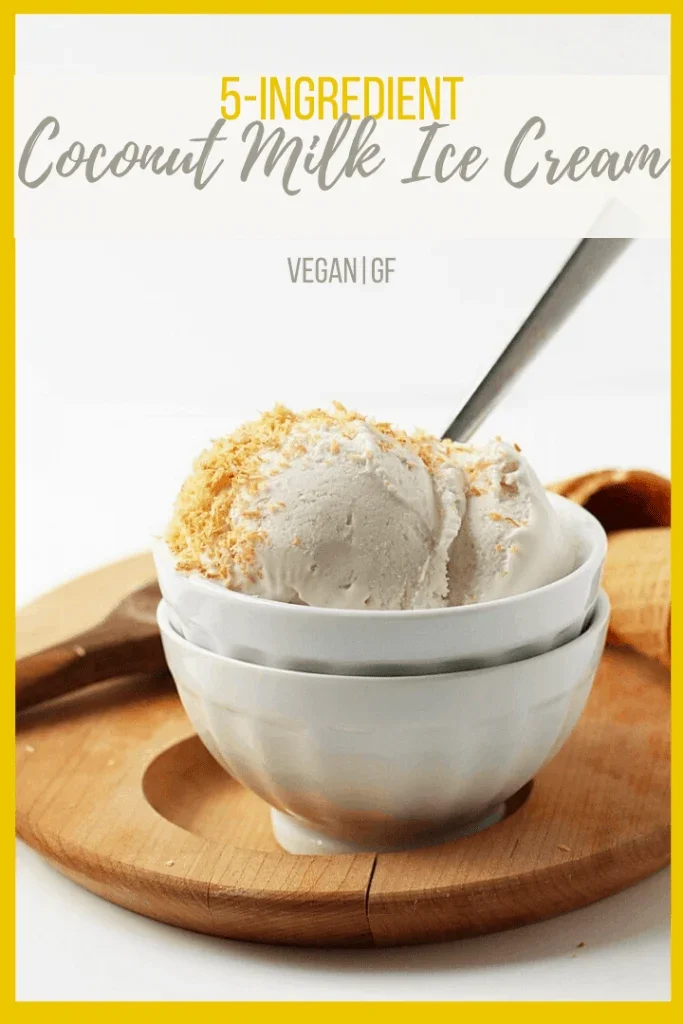
Serving homemade coconut ice cream is an opportunity to delight visually as well as culinarily. Simply scooping it into bowls is enjoyable, but adding toppings like toasted coconut shreds, fresh berries, or chopped nuts adds texture and color. For an indulgent sundae experience, consider drizzling strawberry or chocolate sauces and adding a dollop of dairy-free whipped cream crowned with a cherry. These enhancements not only complement the flavors but also turn a simple dessert into a memorable celebration-worthy treat.


