

Introduction to Low Carb Vegetable Broth
Why Choose Low Carb Broth for Soups?
Low carb vegetable broth is becoming an increasingly popular choice for many home cooks and health enthusiasts. Unlike traditional broths that may contain starchy or high-carb ingredients, a low carb broth focuses on vegetables with minimal sugars and carbohydrates. This makes it an excellent base for soups and recipes that align with ketogenic, diabetic-friendly, or general low carb diets. Choosing this type of broth not only helps regulate carbohydrate intake but also provides a rich, flavorful base that complements various dishes without adding unnecessary calories or carbs.
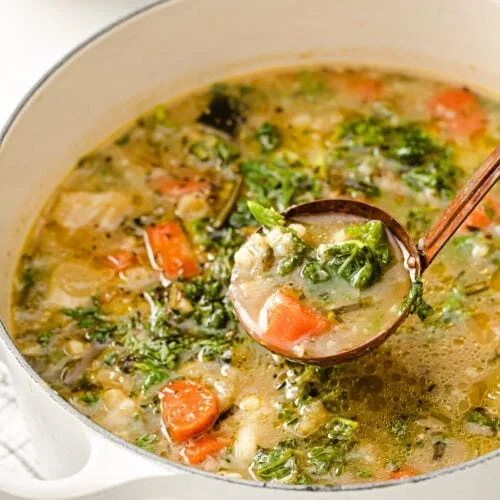
Health Benefits of Vegetable-Based Broth
Vegetable broth offers numerous health benefits. It is naturally low in fat and calories while being packed with vitamins, minerals, and antioxidants from the veggies. Drinking or cooking with vegetable broth can aid in hydration, support digestion, and even promote detoxification. Since it doesn’t contain animal fats or cholesterol, vegetable broth is heart-healthy and suitable for vegetarians and vegans. Additionally, using homemade broth allows control over the ingredients, avoiding preservatives and excess sodium often found in store-bought versions.
Essential Ingredients for a Flavorful Low Carb Vegetable Broth
Must-Have Vegetables and Herbs
The foundation of a delicious low carb vegetable broth lies in the right combination of vegetables and herbs. Classic choices include celery, onions, and carrots, which provide a balanced sweetness and aromatic base. Fresh herbs like thyme add subtle complexity and earthiness. It’s important to select vegetables that release flavor without significantly increasing the carb count. Celery and onions are preferred for this reason, and thyme is valued for its delicate aroma that complements many soup recipes.
Optional Add-Ins to Enhance Flavor
To elevate the broth’s taste, consider adding additional vegetables such as garlic, leeks, or fennel. These ingredients introduce deeper layers of flavor without overwhelming the broth. Aromatics like bay leaves, parsley stems, or rosemary can be added near the end of the cooking process to avoid bitterness. While some recipes might call for carrots, balancing the amount is key since they contain natural sugars. Feel free to experiment with spices like black peppercorns or a dash of turmeric to add warmth and color.
Preparing Your Kitchen for Broth Making
Tools and Equipment Needed
Before starting, it’s essential to gather the right tools to streamline the broth-making process. A large stockpot with a lid is ideal for simmering the vegetables evenly and managing evaporation. A fine-mesh strainer or cheesecloth will help separate the solids from the liquid for a clear broth. Additionally, having a sharp knife and a sturdy cutting board makes preparing vegetables easier. If you plan to store your broth, containers suitable for refrigeration and freezing will be necessary.
Tips for Selecting Fresh Ingredients
The quality of your broth depends heavily on the freshness of the ingredients. When selecting vegetables, choose ones that are firm, vibrant in color, and free from blemishes or mold. Fresh herbs should look lively and fragrant. Avoid overripe or wilted vegetables that may impart a dull or off flavor. An excellent practice is to keep a bag in the freezer to collect vegetable scraps and peels until you have about two cups, which can then be used to make broth, reducing waste and maximizing flavor.
Step-by-Step Instructions to Make Low Carb Vegetable Broth
Step 1: Prepping Vegetables
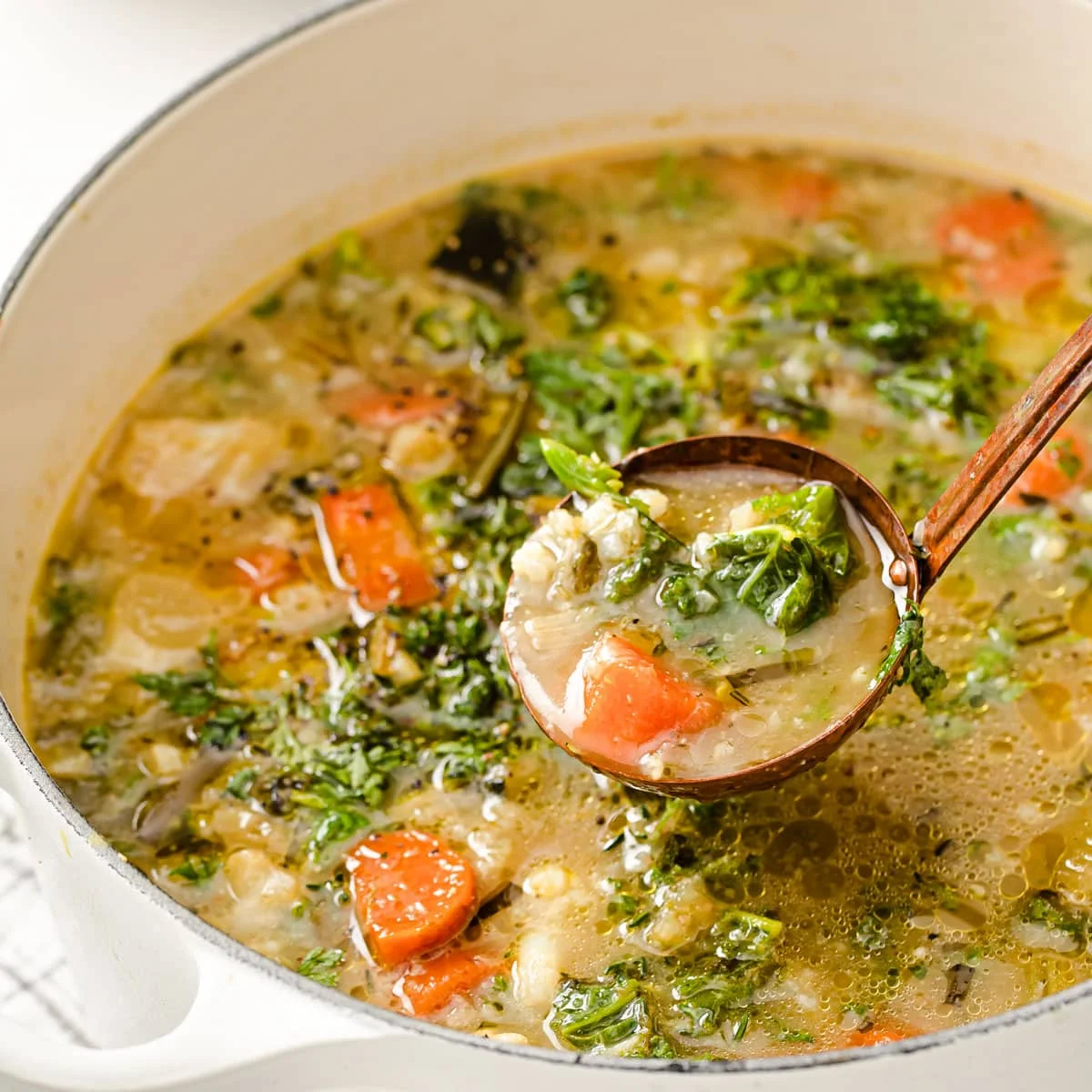
Start by washing all vegetables thoroughly to remove any dirt or residues. Chop the celery, onions, and any other chosen vegetables into large chunks to expose more surface area for flavor extraction. It’s beneficial to sauté the vegetables in a little oil until soft before adding water. This step brings out their natural sweetness and intensifies the broth’s taste. Avoid salting at this point if you plan to use the broth as a base for other dishes.
Step 2: Cooking Techniques and Timing
Once the vegetables are softened, add cold water to the pot, usually about 8 cups depending on the quantity of vegetables. Bring the mixture to a boil before reducing the heat to a gentle simmer. Partially covering the pot with a lid helps manage evaporation, allowing the flavors to concentrate without losing too much liquid. Simmer the broth for 45 minutes to an hour, which is enough time to extract the maximum flavor without breaking down the vegetables too much. Add delicate aromatics like thyme or bay leaves during the last 10-15 minutes of cooking to prevent bitterness.
Step 3: Straining and Storing the Broth
After simmering, remove the pot from heat and let it cool slightly. Pour the broth through a fine-mesh strainer or cheesecloth into a clean container, pressing gently on the vegetable solids to extract as much liquid as possible. Discard the solids or compost them. Let the broth cool to room temperature before transferring it to airtight containers. It can be refrigerated for 3 to 5 days or frozen for up to 3 months for future use. Clearly label and date your containers for easy identification.
Creative Ways to Use Your Low Carb Vegetable Broth
Incorporating Broth into Soups and Stews
Low carb vegetable broth is the perfect foundation for a variety of soups and stews. Its light yet flavorful profile allows the other ingredients in your recipes to shine. Use it as a base for classic vegetable soups, creamy cauliflower bisques, or hearty mushroom stews. Because it is low in carbs, it pairs wonderfully with keto-friendly ingredients like leafy greens, zucchini noodles, and protein-rich additions such as tofu or chicken. Broth adds moisture and depth without overpowering delicate flavors.
Using Broth as a Cooking Liquid for Grains and Proteins
Beyond soups, vegetable broth enhances the flavor of grains like cauliflower rice or shirataki noodles, which are common in low carb diets. Cooking these ingredients in broth instead of plain water infuses them with a subtle savory quality. The broth can also be used to poach chicken breasts, fish, or tofu, imparting moisture and flavor without added fats. This technique is especially useful for those seeking light, healthy meals with complex flavors.
Storage Tips and Shelf Life of Homemade Vegetable Broth
Refrigeration and Freezing Guidance
Proper storage ensures your homemade broth remains fresh and safe to consume. After cooling, transfer the broth into airtight containers. It will keep well in the refrigerator for up to 5 days. For longer storage, freezing is recommended. Use freezer-safe containers or heavy-duty freezer bags, leaving space for expansion. Broth can last in the freezer for up to three months. When thawing, it’s best to move the broth to the refrigerator overnight to maintain its quality and safety.
How to Reheat Without Losing Flavor
Reheating broth gently helps preserve its delicate flavors. Warm the broth on the stovetop over medium-low heat rather than using a high heat setting or microwave. Slow warming prevents the breakdown of aromatic compounds and maintains the broth’s clarity. Avoid boiling the broth again as excessive heat can cause bitterness and diminish its fresh taste. If needed, fresh herbs or a pinch of salt can be added after reheating to brighten the flavor.
Possible Variations and Flavor Enhancements
Adding Spices for a Kick
To diversify your broth, consider incorporating various spices. Black peppercorns bring a mild heat without overpowering the broth, and a small pinch of cayenne or smoked paprika can add warmth and depth. Ginger and star anise introduce an exotic twist that pairs well with Asian-inspired soups. When adding spices, it’s wise to experiment in small quantities first to find the right balance. Introduce strong spices early if you want them integrated throughout, or near the end for a fresh, vibrant note.
Using Different Vegetable Combinations
Mixing up your vegetable choices is a simple way to customize your low carb broth. Besides the usual celery, onion, and carrots, try including mushrooms for umami, fennel for a subtle licorice flavor, or roasted tomatoes for sweetness and acidity. Keeping it low carb means avoiding starchy vegetables like potatoes or corn, but there is still plenty of room for creativity. Remember, balancing the flavors and adjusting the cooking time based on the vegetables’ texture ensures the broth remains tasty and clear.


