

Understanding Pores and Breakouts: The Basics
What Causes Enlarged Pores?
Enlarged pores are influenced by a combination of genetics, skin type, and environmental factors. When pores become clogged with excess sebum, dirt, or dead skin cells, they stretch to accommodate the buildup, which makes them appear larger. Over time, factors such as sun damage and aging can also reduce skin elasticity, causing pores to lose firmness and appear more prominent.
Common Triggers for Breakouts
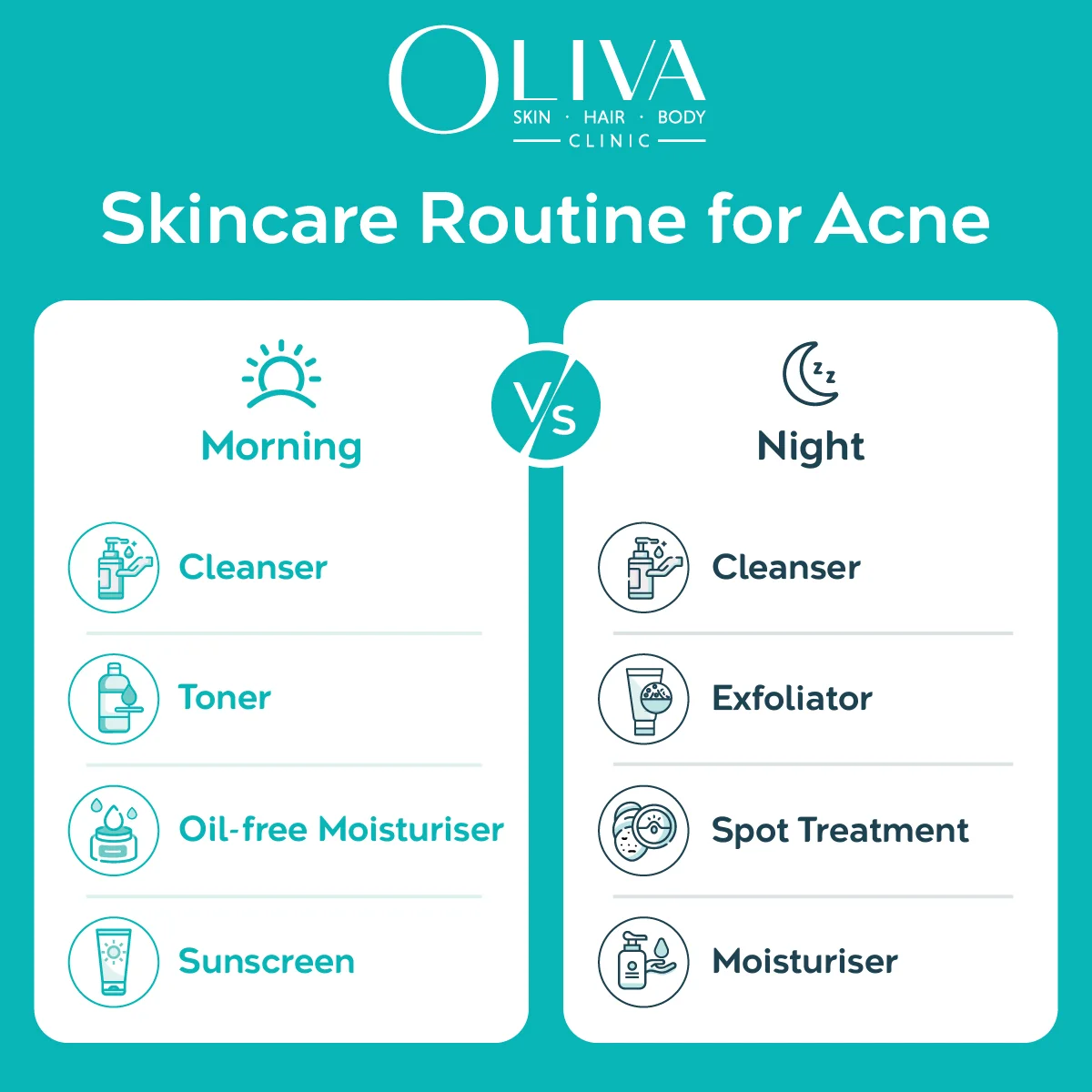
Breakouts occur primarily when hair follicles become plugged with oil and dead skin cells, providing an ideal environment for bacteria to thrive. Hormonal changes, excessive oil production, and the use of comedogenic skincare or makeup products can aggravate this process. Additionally, lifestyle factors such as a poor diet, stress, and inadequate cleansing frequently worsen acne flare-ups.
Preparing Your Skin for an Effective Evening Routine
The Importance of Proper Cleansing
Proper cleansing is the foundation of any successful evening skincare routine aimed at minimizing pores and preventing breakouts. It’s essential to remove makeup, dirt, and pollutants accumulated throughout the day without stripping the skin’s natural oils. A gentle cleansing method ensures that pores remain clear and reduces the chances of irritation, which can lead to increased oil production and further clogging.
Choosing the Right Products Based on Skin Type
Selecting products tailored to your skin type is crucial for effectiveness and comfort. For oily or combination skin, lightweight, oil-free, and non-comedogenic formulations help regulate sebum production and avoid clogging pores. Sensitive skin benefits from fragrance-free, soothing ingredients, while dry skin requires more hydrating and nourishing options. Understanding your skin’s needs helps you avoid products that may exacerbate pore size or cause breakouts.
Step-by-Step Evening Skincare Routine
Step 1: Remove Makeup Thoroughly
The first step in your evening routine is to remove makeup completely using a gentle makeup remover or cleansing oil. This ensures that no residue stays on the skin, which could block pores overnight. Take your time to dissolve makeup around the eyes and lips carefully, preparing your skin for a fresh cleanse.
Step 2: Deep Cleansing with a Gentle Cleanser
Next, use a gentle cleanser suitable for your skin type to wash away remaining impurities. Massage the cleanser in circular motions for about 30 seconds, allowing it to penetrate and loosen the build-up within pores. Rinse off with lukewarm water to avoid drying out your skin. This step is vital for maintaining pore clarity and reducing the likelihood of breakouts.
Step 3: Exfoliation – How and When
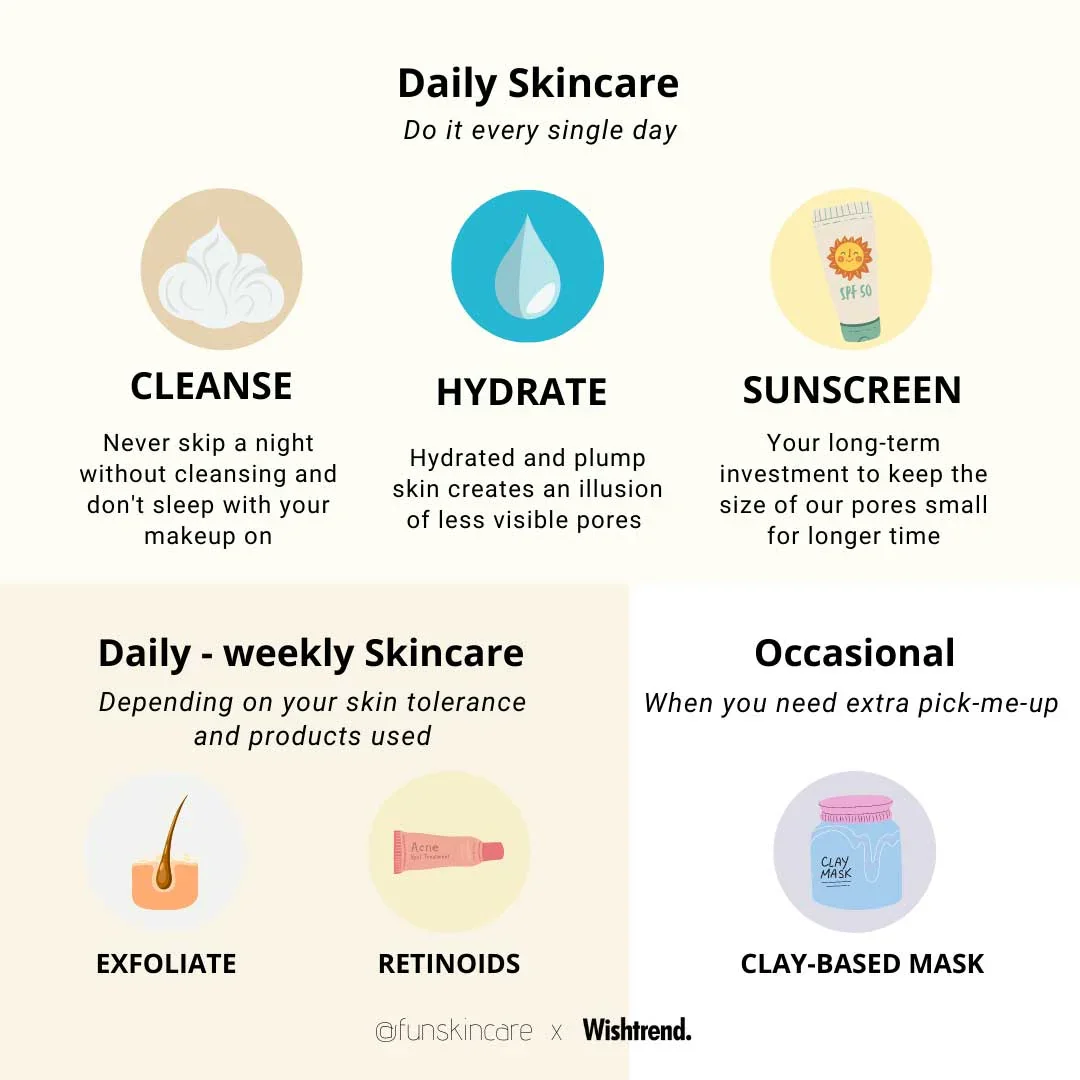
Exfoliation helps remove dead skin cells that can clog pores and dull skin appearance. However, it is important not to overdo this step. Exfoliating more than twice a week can cause irritation and worsen pore condition. Use gentle chemical exfoliants like AHAs or BHAs, which offer deeper cleansing without abrasive scrubbing. This maintains a smooth surface and promotes cell turnover, helping pores appear smaller.
Step 4: Apply Toner to Tighten Pores
After cleansing, applying toner helps restore skin’s pH balance and tighten pores. Press the toner gently into your skin using your hands or a cotton pad. This step also removes any leftover traces of cleanser or exfoliant. Choose alcohol-free toners with soothing ingredients to avoid drying out your skin or causing irritation.
Step 5: Serum Application Targeting Pores and Acne
Applying a targeted serum is a powerful way to address enlarged pores and prevent breakouts. Look for serums containing ingredients like niacinamide, salicylic acid, or retinol, as these help regulate sebum production, reduce inflammation, and improve skin texture. Apply a thin layer and allow it to absorb fully before moving to the next step.
Step 6: Moisturizing for Balanced Hydration
Hydrating your skin is essential even if you have oily or acne-prone skin. Using a non-comedogenic moisturizer ensures your skin stays balanced and prevents it from producing excess oil. Hydrated, plump skin naturally makes pores look smaller, so choose a lightweight formula that nourishes without clogging pores.
Step 7: Spot Treatment for Active Breakouts
For existing breakouts, applying a spot treatment helps reduce inflammation and speed up healing. Ingredients like benzoyl peroxide or tea tree oil can be effective in targeting blemishes. Use these treatments sparingly and only on problem areas to avoid drying out the surrounding skin.
Additional Tips for Enhancing Results
Weekly Masks and Their Benefits
Incorporate weekly masks suited to your skin’s needs, such as clay masks for detoxifying pores and absorbing excess oil. These masks deeply cleanse and refine pore appearance, complementing your daily routine. However, avoid using masks too frequently as this can disrupt your skin’s natural barrier.
Diet and Lifestyle Habits Affecting Skin Health
Your diet and lifestyle also play a significant role in maintaining clear skin. Consuming a nutrient-rich diet abundant in fruits, vegetables, and healthy fats like avocados and nuts supports skin health from within. Regular exercise boosts circulation and helps flush out toxins, but remember to cleanse your face afterward to remove sweat and bacteria. Staying hydrated by drinking enough water keeps skin balanced and plump, which minimizes the appearance of pores.
Common Mistakes to Avoid in Evening Skincare
Over-Exfoliating and Its Consequences
One of the most common errors is over-exfoliating, which can strip the skin’s protective barrier and cause irritation. This leads to increased oil production and worsened pore appearance. Stick to exfoliating no more than twice weekly and use gentle products to maintain a healthy balance.
Ignoring Night-time Hydration
Neglecting to moisturize before bedtime is another frequent mistake. Skipping hydration can leave skin dry and trigger excess oil production, contributing to clogged pores and breakouts. Even oily skin benefits from nighttime moisture to preserve skin health and minimize the look of pores.
Conclusion: Consistency is Key to Minimizing Pores and Preventing Breakouts
Maintaining a focused and consistent evening skincare routine is essential for reducing enlarged pores and preventing acne. By cleansing properly, using products suited to your skin type, and avoiding common pitfalls like over-exfoliation and neglecting hydration, you support your skin’s natural balance. Coupled with healthy lifestyle habits, these steps create the foundation for clearer, smoother skin and a more refined complexion over time.


