

Understanding the Basics of Skincare Layering
The Science Behind Absorption
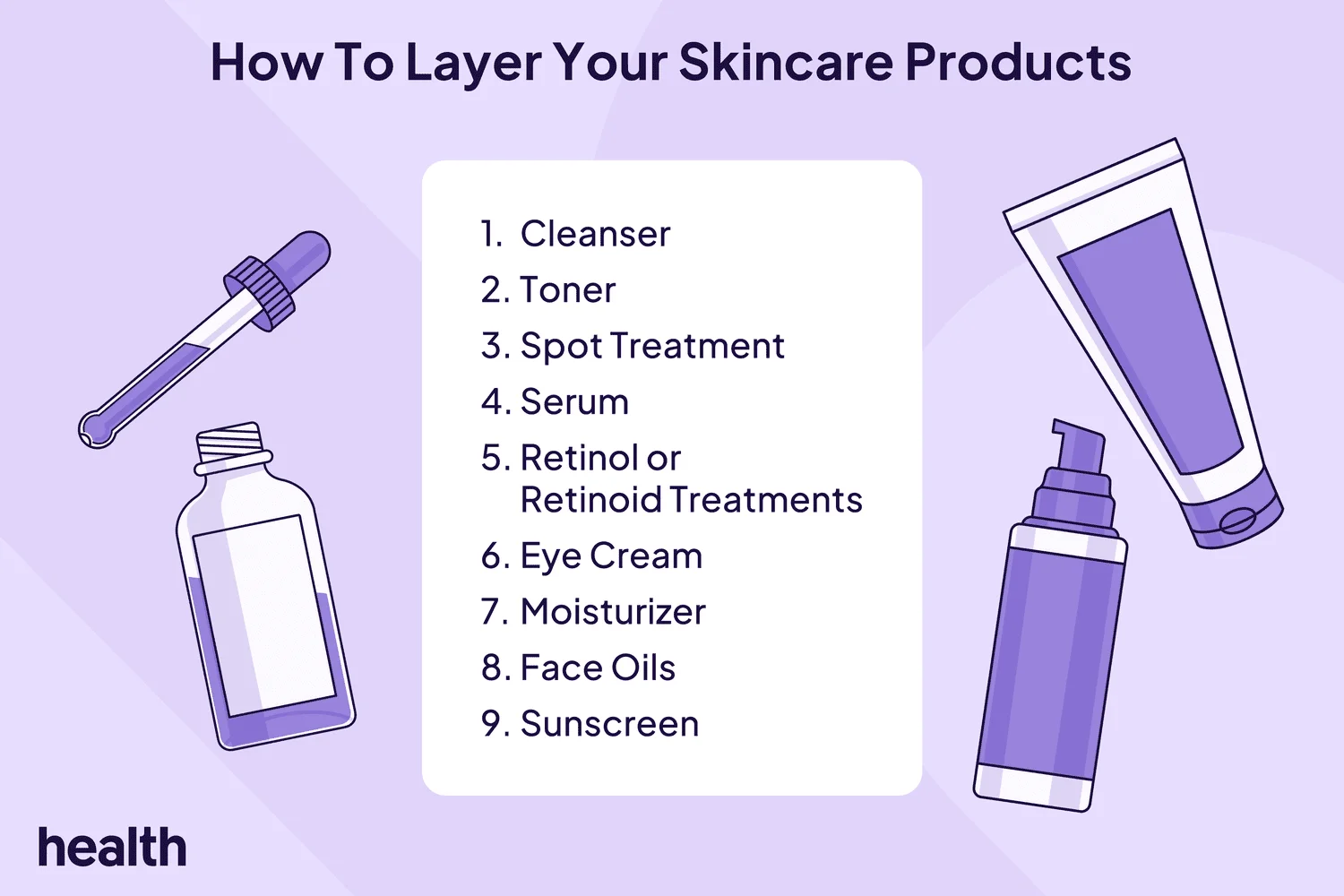
Proper absorption is crucial for skincare products to work effectively. The skin has multiple layers, each with different properties, and the outermost layer acts as a protective barrier. Applying products in the correct sequence ensures that each product penetrates optimally, allowing the active ingredients to reach their target layers. Thinner formulations absorb faster, paving the way for heavier creams and oils to seal in moisture without blocking absorption.
Why Hydration Depends on Proper Layering
Hydration is not only about adding moisture but also about locking it in. The right layering technique ensures that water content from hydrating products remains trapped within the skin, preventing dryness and dehydration. Missing steps or layering incorrectly can cause products to sit on the skin’s surface, reducing effectiveness and leading to potential irritation or imbalance.
Step-by-Step Guide to Layering Hydrating Skincare Products
Start with the Right Cleanser
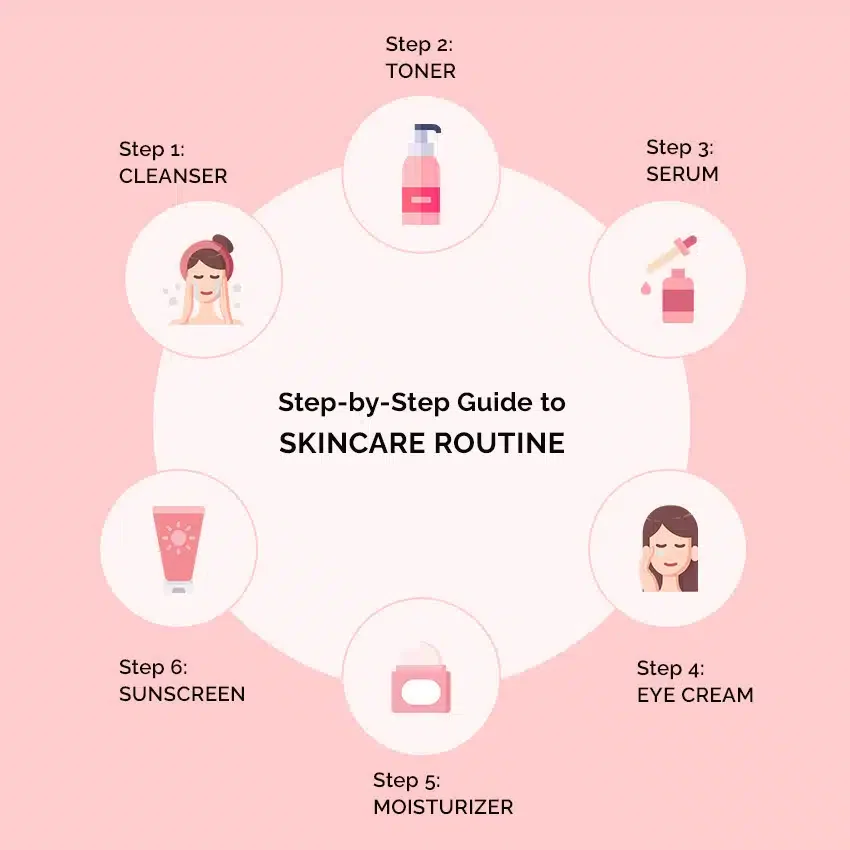
The foundation of any skincare routine is cleansing. It removes makeup, sunscreen, oils, and environmental buildup that can obstruct product absorption. Double cleansing at night is especially beneficial if you wear SPF or makeup, ensuring a clean canvas. Choose a gentle cleanser based on your skin type to avoid stripping natural oils.
Applying Toner: The Essential First Layer
After cleansing, toner helps rebalance the skin’s pH and adds an initial boost of hydration. It prepares the skin to absorb the next layers more effectively. Applying toner while the skin is still slightly damp maximizes hydration and primes the surface for serums and treatments.
Serums: How and When to Use Them
Serums contain concentrated active ingredients tailored for specific skin concerns like hydration, brightening, or anti-aging. Applying serums after toner and before moisturizer allows their potent ingredients to penetrate deeply. Light, water-based serums should be layered before oilier or heavier formulations to prevent clogging and ensure absorption.
Moisturizers for Locking in Hydration
Moisturizers act as a barrier, sealing in the hydration from previous layers. They support the skin’s natural barrier function, reducing water loss and protecting against environmental stressors. Select a moisturizer suited to your skin type, focusing on ingredients that maintain hydration without feeling heavy or greasy.
The Role of Facial Oils and Sunscreens
Facial oils are typically applied after moisturizer to lock in moisture further and nourish the skin. Oils help create an occlusive layer that reduces transepidermal water loss. In morning routines, sunscreen should be the final step, forming a protective shield against UV damage and premature aging. Never skip sunscreen as it is vital for long-term skin health.
Common Mistakes That Reduce Skincare Effectiveness
Overloading Products
Using too many products or thick formulations early in the routine can block absorption of subsequent treatments. Heavy layers can create a barrier that prevents active ingredients from penetrating properly. Simplifying the routine and applying products from thinnest to thickest helps avoid this pitfall.
Skipping Key Hydration Steps
Omitting steps like toner or moisturizer can leave skin dehydrated and reduce overall routine effectiveness. Some might forget to use eye cream or sunscreen, which can compromise delicate skin areas and expose skin to damage. Consistency and completing all hydration steps are essential for maintaining skin balance.
Customizing Your Routine Based on Skin Type
Layering Tips for Dry Skin
Dry skin benefits from rich, nourishing hydrators. Starting with hydrating toners and layering heavier creams or oils helps maintain moisture. Avoid over-cleansing to prevent stripping natural oils. Incorporating occlusive ingredients in the last step helps keep hydration locked in throughout the day.
How to Approach Oily and Combination Skin
Oily and combination skin types require lightweight, non-comedogenic products. Begin with gentle cleansers that do not disrupt balance. Use water-based serums and gel moisturizers to hydrate without excessive oiliness. Focus heavier products on dry areas only, and always finish with sunscreen.
Sensitive Skin: Avoiding Irritation While Staying Hydrated
For sensitive skin, minimizing active ingredients and avoiding harsh exfoliants reduces irritation risk. Select soothing, fragrance-free toners and moisturizers that strengthen the skin barrier. Applying thin layers and allowing time between products enhances absorption and limits sensitivity reactions.
Advanced Tips for Boosting Product Absorption
The Role of Facial Massage and Tools
Gentle facial massage improves circulation and aids the absorption of skincare products. Using tools like jade rollers or gua sha stones can enhance this effect by encouraging lymphatic drainage and reducing puffiness. These techniques also promote relaxation, which benefits overall skin appearance.
Using Mist and Essences Between Layers
Mists and essences add an extra layer of hydration between toner and serum or serum and moisturizer. They refresh the skin and prepare it for the next product, improving overall absorption. Choosing hydrating mists with soothing ingredients can also calm the skin during the routine.
Case Studies: Real-Life Success Stories on Hydration and Absorption
Many individuals report noticeable improvements in skin texture and moisture levels after adopting a proper layering technique. One example includes a person who struggled with dull, dry skin but found increased plumpness and smoothness after introducing toner and sequentially layering serums and moisturizer. Another case highlights reduced irritation and better hydration balance in sensitive skin after simplifying and rearranging product order. These stories emphasize that thoughtful layering tailored to skin type can significantly enhance hydration and overall skin health.


