

Understanding Sensitive Skin
What Makes Skin Sensitive?
Imagine waking up some mornings with your face feeling tight, red, and slightly itchy, even though you haven’t changed your routine. This is a common scenario for those with sensitive skin—a skin type that reacts more easily to external factors. Sensitive skin usually has a compromised skin barrier, making it less effective at protecting against irritants and environmental aggressors. This vulnerability means that even everyday products or weather changes can cause discomfort or visible redness.
Common Triggers of Irritation and Redness
Take Sarah’s story: she noticed her skin flared up every time she used her usual cleanser or spent time outdoors without protection. What she didn’t realize initially was how many triggers were involved. For sensitive skin, triggers often include harsh chemicals, fragrances, extreme weather, and even certain fabrics. Stress and diet can also play a role. Identifying these triggers is key to preventing flare-ups. For instance, exposure to wind or sun can quickly aggravate sensitive skin, causing visible redness and discomfort.
Essential Skincare Routine Steps
Cleansing Techniques for Sensitive Skin
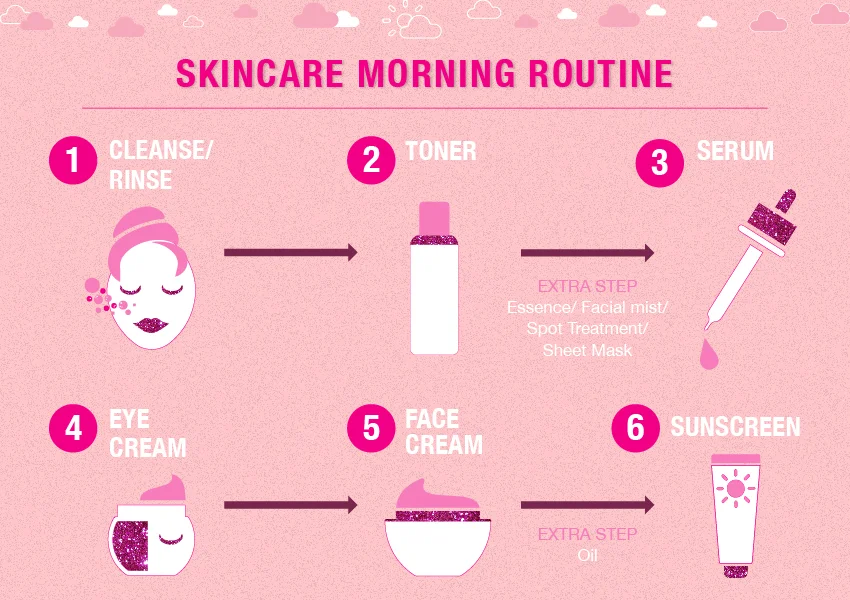
One evening, John realized that scrubbing his face with a foaming cleanser actually worsened his skin redness. Switching to a gentle, non-foaming cleanser changed everything. Cleansing sensitive skin requires a soft approach: avoid vigorous scrubbing and opt for lukewarm water. Soaps or cleansers with harsh sulfates strip the protective oils, leaving skin vulnerable. Instead, look for formulas that cleanse without stripping, maintaining the natural moisture balance.
Choosing the Right Toner and Serums
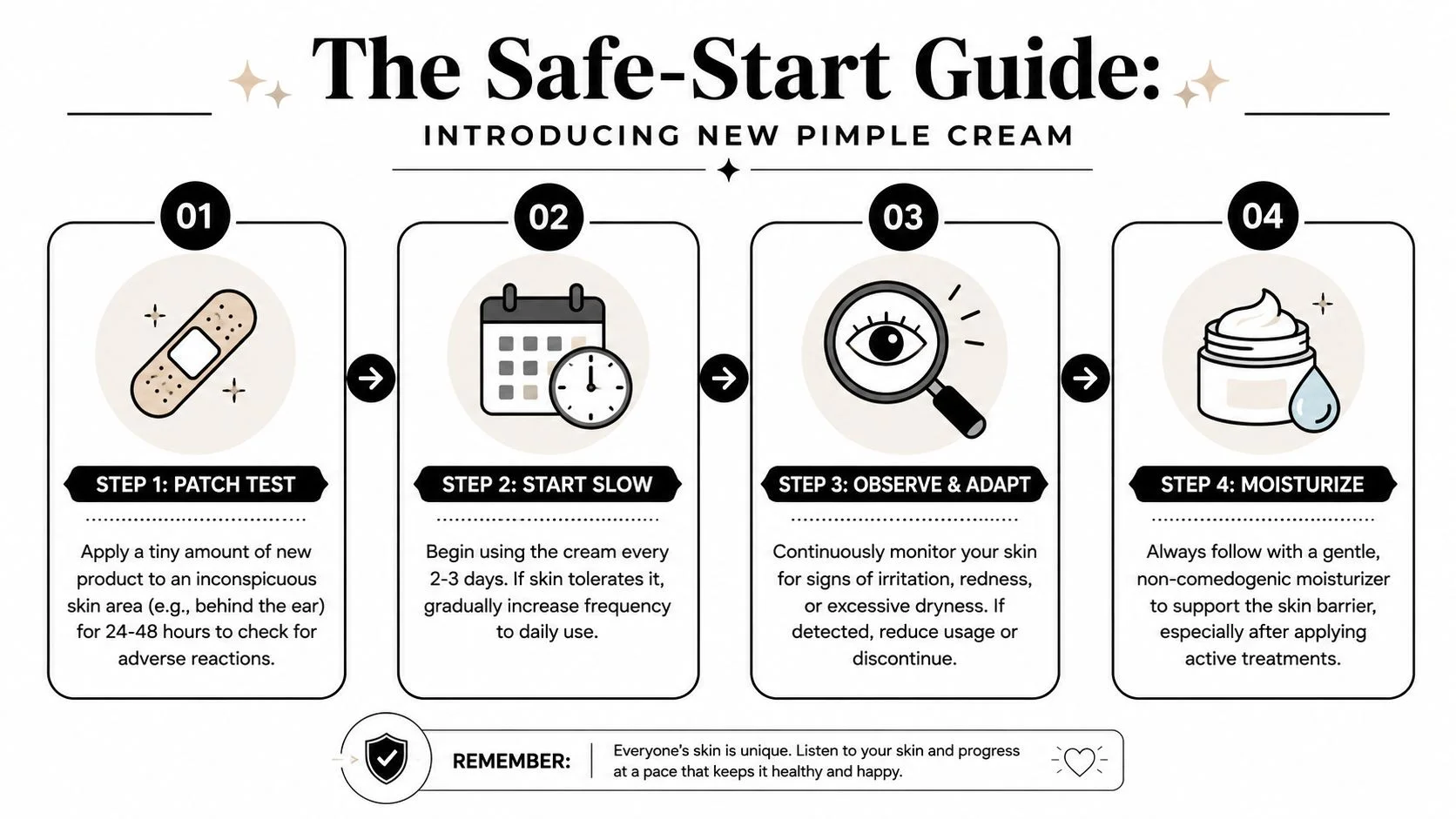
After cleansing, many are tempted to layer on multiple products quickly. However, for sensitive skin, simplicity works best. Toners should be alcohol-free and formulated to calm rather than irritate. Lightweight serums containing ingredients like niacinamide can help strengthen the skin barrier and reduce redness. Remember when Emma added a new brightening serum all at once and her skin flared? Slowly introducing one product at a time allows your skin to adjust and reveal any sensitivities.
Moisturizing Without Causing Breakouts
Moisturizing is a critical step, but not all creams are equal. Heavy, greasy moisturizers feel comforting but can clog pores and worsen breakouts, especially when skin is already sensitized. Instead, creams with a balance of hydration and barrier support work wonders. For example, using a soothing cream containing ceramides or hyaluronic acid can lock in moisture without suffocating the skin. Applying moisturizer immediately after cleansing while your skin is still damp helps seal in hydration more effectively.
The Importance of Sun Protection
It was during a sunny day hike that Lily realized her usual sunscreen irritated her skin, leaving it red and stinging. For sensitive skin, sun protection is non-negotiable but must be chosen wisely. Mineral sunscreens containing zinc oxide or titanium dioxide sit on top of the skin and are less likely to provoke irritation than chemical sunscreens. Sunscreen not only prevents immediate sunburn but also guards against premature aging and hyperpigmentation, which can worsen sensitive skin’s appearance over time.
Ingredients to Avoid and Embrace
Harsh Ingredients That Cause Irritation
Avoid products loaded with fragrances, dyes, and harsh preservatives, as these chemicals can disrupt the skin’s delicate barrier. Foaming agents like sulfates, often found in traditional soaps and cleansers, strip natural oils leading to dryness and sensitivity. Over-exfoliating or using abrasive scrubs also damages skin, causing redness and stinging. For example, Mark learned the hard way when a strong exfoliating mask left his skin raw and inflamed for days.
Soothing Components for Redness Reduction
In contrast, products featuring natural calming ingredients like aloe vera, chamomile, or calendula provide essential relief. These components reduce inflammation and strengthen the skin’s defense while offering hydration. Niacinamide is another powerful ingredient that supports the skin barrier and calms redness. When choosing skincare, look for “supportive” formulas that calm and repair instead of overwhelming your skin with numerous active ingredients.
Additional Tips for Minimizing Irritation
How to Patch Test New Products
Before fully introducing a new product, conducting a patch test can save you from potential irritation. Apply a small amount on your inner forearm or behind your ear, then observe for 24 to 48 hours. If redness, itching, or burning occurs, it’s a sign the product may be too harsh. Patch testing was a game-changer for Anna, who used to rush into new products only to find herself dealing with irritating breakouts.
Adjusting Your Routine According to Seasons
Seasonal changes can dramatically affect sensitive skin. During winter, cold air and indoor heating can dry and irritate skin, so richer moisturizers and gentle hydration boosters work best. In summer, lighter textures and increased sun protection are crucial. Pay attention to how your skin responds throughout the year, and be willing to adapt. For instance, Sarah swaps her creamy moisturizer for a gel-based one when temperatures rise to prevent clogging and discomfort.
When to Consult a Dermatologist
Sometimes, despite your best efforts, skin irritation and redness persist or worsen. If symptoms such as persistent tightness, severe redness, stinging, or dry patches do not improve with a gentle routine, it might be time to seek professional advice. Conditions like rosacea or eczema can mimic sensitive skin but require specialized treatments. Consulting a dermatologist ensures accurate diagnosis and tailored care, preventing further damage and helping you achieve healthier skin over time.


