

Introduction to Budget-Friendly Soundproofing for Apartments
Why Soundproofing Matters in Apartment Living
Living in an apartment often means dealing with the inevitable noise coming from neighbors, busy streets, or communal areas. Whether it’s the late-night footsteps from the upstairs unit or the loud music from next door, these sounds can disrupt your peace, impact your sleep, and even affect your productivity. Soundproofing isn’t just a luxury; it’s a practical necessity for maintaining comfort and privacy in shared living spaces. However, the challenge is finding solutions that won’t break the bank or require major renovations, especially in rental units.
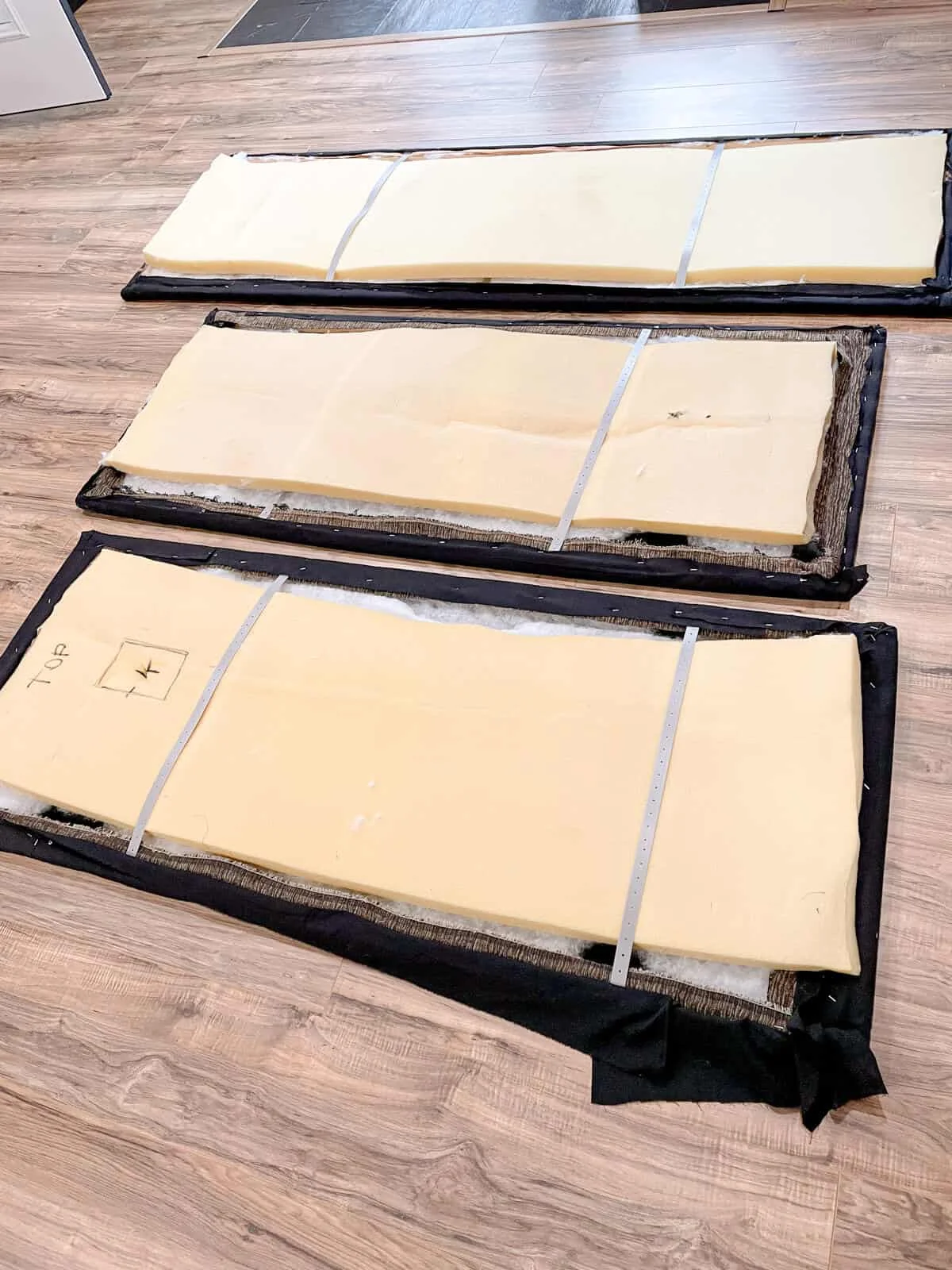
Common Noise Issues in Apartment Walls
One common source of noise stems from thin walls that transmit conversations, TV sounds, or the bass from music. Another frequent problem is gaps around doors and windows, which can let in unwanted noise from hallways or outside. Often, vibrations travel through building materials, causing subtle but persistent disturbances. These issues can feel overwhelming, but with the right approach, even budget-conscious tenants can make a noticeable difference in controlling noise levels.
Understanding the Basics of Soundproofing
How Sound Travels Through Walls
Sound moves through walls primarily in two ways: airborne sound and structure-borne vibrations. Airborne sound comes from voices or music traveling as sound waves through the air, which pass through gaps, cracks, and thin materials. Structure-borne sound, on the other hand, travels through solid materials like studs, drywall, or floors, shaking the structure and causing noise to be heard elsewhere. Understanding this distinction is crucial when choosing how to block or absorb noise effectively.
Watch the Tutorial
Key Soundproofing Principles: Absorption, Blocking, and Damping
Successful soundproofing hinges on three principles. Absorption involves soaking up sound waves before they bounce around a room, which is where soft materials like fabric and foam come into play. Blocking refers to creating barriers that prevent sound waves from passing through, such as dense panels or solid doors. Damping targets vibrations by reducing the resonance within walls or furniture, which can be achieved by adding mass or modifying surfaces. Together, these strategies can transform how quiet your apartment feels.
Affordable DIY Materials for Soundproofing
Using Soft Furnishings to Reduce Noise
One of the easiest and most cost-effective ways to start soundproofing is by using existing or affordable soft furnishings. Thick curtains made from heavy fabrics like velvet can absorb sound before it penetrates windows or walls. However, not all velvets provide equal noise reduction, so consider asking about fabric weight when shopping. Adding rugs helps too, but it’s important to focus on weave density rather than just pile height—as weave density has a far greater impact on sound absorption. Felt pads under furniture legs or along walls can significantly cut down on speech and music noise, outperforming common memory foam alternatives. These soft materials not only reduce echoes but also dampen vibrations traveling through floors and walls.
Effective and Cheap Soundproofing Materials You Can Buy
Acoustic foam panels are a familiar sight in professional studios, but budget-friendly alternatives like polyester panels or recycled fiberboard can also make a difference. Weatherstripping tape and acoustic sealants are inexpensive items that many overlook but are vital for sealing gaps where sound leaks out. Woolly Pockets, which are essentially living green walls filled with plants, are both decorative and functional, providing natural sound absorption and visual appeal. For minimalists, preserved moss panels add a modern touch without eating up floor space, subtly improving sound quality without a chunky installation process.
Step-by-Step Guide to DIY Soundproofing Apartment Walls
Preparing Your Space: Tools and Safety
Before diving into installation, take time to prepare your space by clearing the area and gathering any necessary tools such as utility knives, measuring tape, and a caulking gun. Safety is key, especially when handling adhesives or sealants. Open a window for ventilation and wear gloves if you are sensitive to chemicals. Taking these preparatory steps ensures a smoother project and better results.
Applying Weatherstripping and Acoustic Sealants
Sound leaks through gaps as tiny as 1%, which can let up to 30% of noise slip through. Start by inspecting the edges of doors, windows, and wall sockets. Applying weatherstripping around door frames and window sashes creates a tighter seal that blocks sound from sneaking in. For cracks and seams in walls, acoustic sealants are the go-to solution. Unlike regular caulk, acoustic sealants remain flexible to prevent sound pathways from opening again over time. Paying attention to these details can dramatically improve your apartment’s quietness.
Installing Soundproof Panels and Blankets
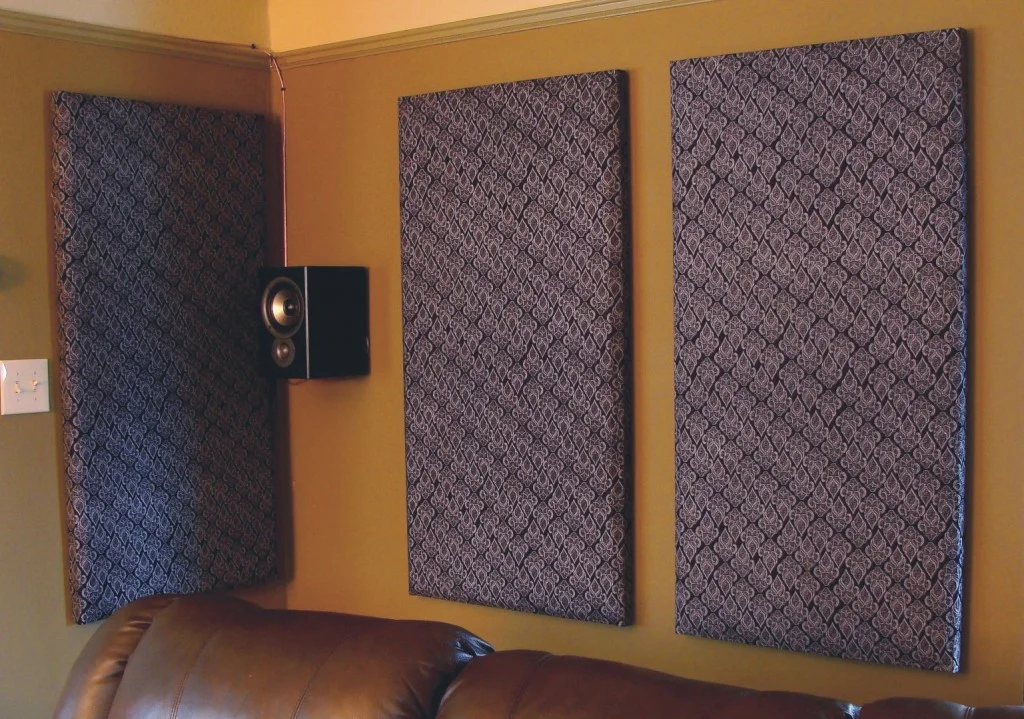
Once gaps are sealed, attach soundproof panels or acoustic blankets to walls to further reduce noise transmission. Use French-return style curtain rods when hanging heavy blankets or curtains to avoid light and sound leaks at the edges. Aim to extend the curtain rods 3 to 4 inches off the wall for maximum sound absorption. Softer woods used in panel backings naturally absorb ambient noise, making them a better choice than harder woods which tend to block louder sounds but reflect more noise. Combined with wall-mounted panels, this method offers a layered, effective approach without the hassles of construction.
Creative Hacks Beyond Traditional Soundproofing
Decorative Wall Hangings That Double as Sound Barriers
Soundproofing doesn’t have to be boring or purely functional. Consider hanging thick tapestries, quilts, or even framed fabric art to absorb sound. These decorative items enhance aesthetics while preventing echoes and muffling noise. Preserved moss panels, for example, offer a unique blend of style and function, giving your walls a natural look and lowering noise levels—a subtle way to add tranquility without sacrificing your apartment’s design.
Repurposing Bookshelves and Furniture for Noise Reduction
Furniture can be your secret weapon for dampening sound. Placing a filled bookshelf against a shared wall adds both mass and irregular surfaces that disrupt sound waves. Sofas and padded chairs also act as buffers, especially if they are positioned near noise hotspots. Don’t underestimate the benefits of soft furnishings positioned strategically; they can absorb sound from multiple directions and prevent noise bounce, making rooms feel significantly quieter.
Maintenance and Long-Term Noise Management
Regular Upkeep for Soundproofing Materials
Maintaining your soundproofing setup is just as important as installation. Over time, gaps can form again around doors and windows, so routinely check and reapply weatherstripping or sealants as needed. Soft furnishings like curtains and rugs should be cleaned regularly to retain their sound-absorbing qualities. Dust and dirt can reduce their effectiveness, so investing a few minutes in upkeep helps maintain a quiet environment long-term.
Behavioral Tips to Minimize Noise Disturbance
Besides physical changes, simple behavioral adjustments can promote a quieter apartment. Using noise-canceling headphones when neighbors are active or scheduling noisy activities during the day can make life more peaceful for everyone. Communicating with neighbors about quiet hours often helps as well. Lastly, placing furniture in a way that acts as a sound buffer, like moving the couch away from shared walls, complements technical soundproofing efforts.
Conclusion: Maximizing Quiet in Your Apartment Without Breaking the Bank
Living in an apartment doesn’t mean resigning yourself to constant noise. By understanding how sound travels and strategically applying affordable materials and creative solutions, you can significantly improve your home’s quietness without costly renovations. From sealing tiny gaps to leveraging soft furnishings and decorative panels, each step adds up. With a little effort and imagination, your apartment can become a calm retreat, proving that effective soundproofing is possible on any budget.


