

Introduction to Creative Room Divider Solutions
Why Privacy Matters in Shared Small Spaces
Living in a small shared space can be an exciting experience, but it often comes with challenges, especially when it comes to privacy. Whether you’re sharing an apartment with a roommate, a family member, or simply trying to create distinct zones within a compact studio, privacy plays a crucial role in maintaining harmony. Without thoughtful separation, personal boundaries may blur, leading to discomfort or distraction.
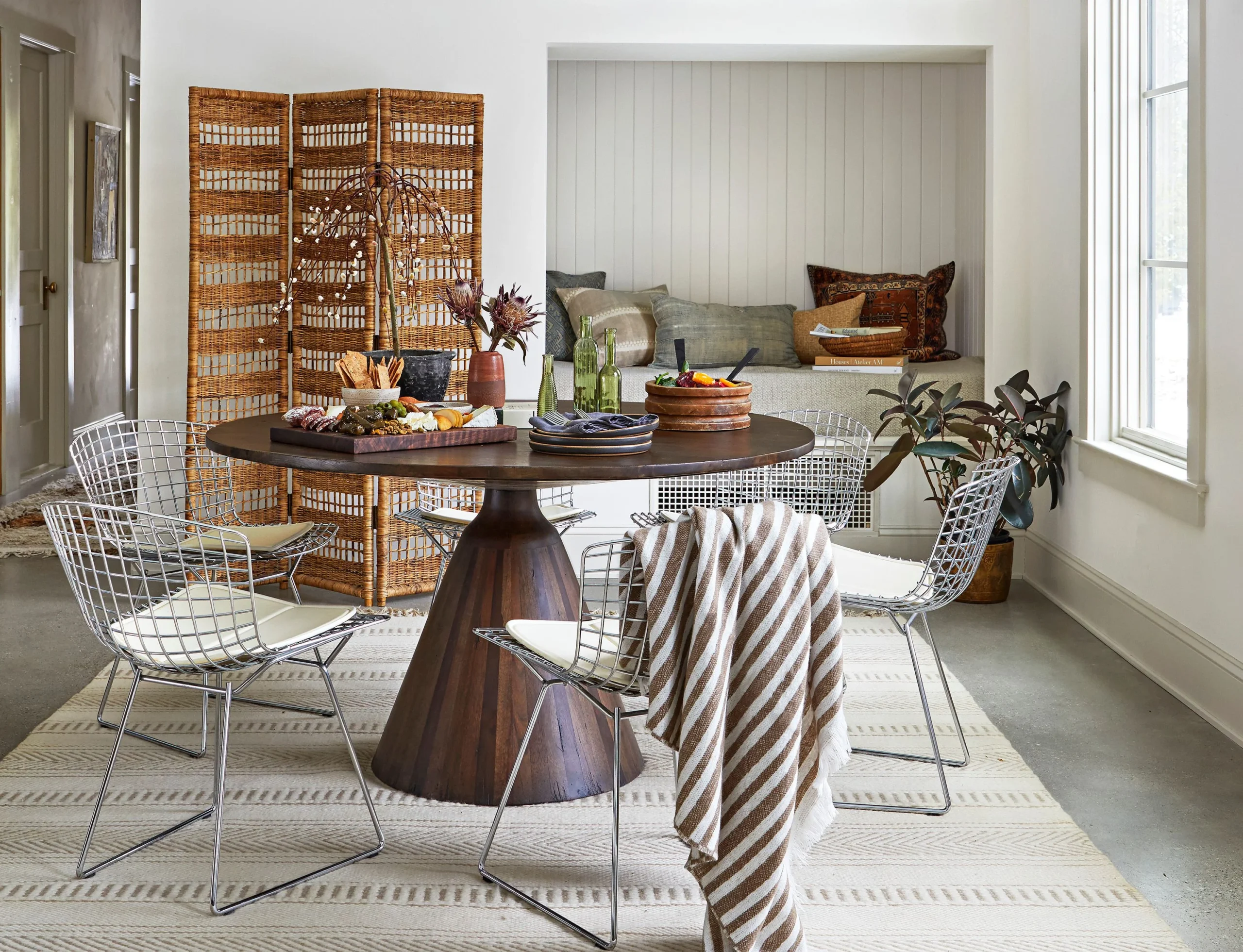
Creative room dividers are more than just practical tools—they can foster a sense of individuality and help define personal space without the need for expensive renovations. They allow residents to carve out private areas, enhancing both comfort and functionality.
Overview of Room Divider Types
Room dividers come in a variety of forms, from traditional folding screens to modern, sleek partitions. Some are fixed and permanent, while others are movable and adaptable to changing needs. Materials vary widely, including wood, glass, fabric, metal, and even living plants. Each type offers a unique combination of privacy, style, and flexibility.
Choosing the right kind hinges on factors like the intended use, spatial constraints, and personal aesthetic. Understanding the available options is the first step toward transforming a shared small space into a well-organized, private haven.
Innovative Room Divider Ideas for Small Spaces
Multi-Functional Furniture as Dividers
One clever approach to dividing a room is to use furniture that serves dual purposes. Bookcases, shelving units, and storage cabinets can act as barriers while providing practical storage. This not only saves space but also keeps areas tidy and functional. For example, a tall open shelf can separate a workspace from a sleeping zone without feeling too closed off, maintaining a light and airy vibe.
Multi-functional pieces allow for flexibility as well—they can be repositioned or reconfigured depending on how the space is used on any given day. The key is to select pieces that fit the scale of your room and complement your interior style.
Use of Plants and Greenery for Natural Separation
Adding plants as room dividers introduces a fresh, organic element while providing a soft visual barrier. Tall plants in pots or hanging planters create natural partitions that breathe life into a shared room. They can improve air quality and add a calming touch, making the space feel cozier and more inviting.
Using natural greenery requires some care and attention, but their aesthetic and psychological benefits often outweigh the maintenance. Strategically placing plants can subtly carve out areas without imposing solid, heavy structures.
DIY Divider Projects with Everyday Materials
For those who enjoy a hands-on approach, DIY dividers can be both budget-friendly and highly personalized. Common household items like curtains, fabric panels, wooden pallets, or even repurposed doors can serve as creative screens. These options often allow you to tailor the design to your specific needs and style preferences.
DIY projects often bring a sense of accomplishment and individuality, but it’s important to carefully consider stability and safety, especially if the divider will be moved frequently or used in homes with children or pets.
Material Choices and Their Impact on Space Perception
Transparent vs. Opaque Dividers
One of the most significant decisions when choosing a room divider is selecting the material’s transparency. Transparent or semi-transparent dividers, such as those made from frosted glass or acrylic, allow light to pass through, keeping the room bright and open. This is ideal if you want privacy without sacrificing the feeling of spaciousness.
Opaque dividers, on the other hand, offer more complete privacy by blocking sightlines entirely. They can create intimate zones but may also make a small room feel more cramped if not chosen carefully. Balancing privacy with openness is key, and sometimes a combination of both materials can work beautifully.
Lightweight vs. Heavy Dividers for Flexibility
The weight of the divider affects how easily it can be moved or repositioned. Lightweight dividers, such as fabric screens or folding panels, are perfect for renters or those who like to frequently change their layout. They provide flexibility in balancing privacy and social interaction.
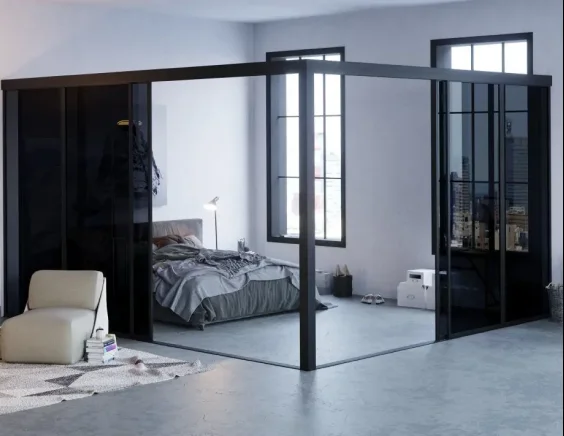
Heavier dividers, like solid wood or fixed partitions, bring durability and a more permanent sense of separation. However, they require more commitment and can limit adaptability. Before deciding, it’s wise to think about your long-term needs and the frequency with which you might want to modify your space.
Optimizing Privacy without Compromising Style
Incorporating Art and Textiles into Dividers
Dividers don’t have to be bland barriers. Integrating artwork, prints, or textiles turns them into statement pieces that enhance your décor. Hanging a tapestry, a curtain with bold patterns, or even a collection of framed art can add personality while serving the functional purpose of dividing space.
Textile dividers also offer softness and warmth, which can make a small space feel more comfortable and inviting. They provide good acoustics, reducing noise and echo that often accompanies hard surfaces. This blend of function and style makes for a well-rounded privacy solution.
Color Schemes That Enhance Separation
Color plays a subtle but powerful role in creating the illusion of separate zones. Using contrasting or complementary colors on dividers can help visually define areas without overwhelming a room. Light, neutral tones tend to keep spaces bright and open, whereas darker hues promote coziness and a sense of enclosure.
Choosing colors that harmonize with the rest of your interior helps maintain a cohesive look. Bold choices can act as focal points, making the divider a design feature rather than just a practical item.
Practical Tips for Setting Up Room Dividers
Measuring and Planning the Layout
Before installing a divider, accurate measurements are essential. It’s important to ensure the piece fits well without overcrowding the room or restricting movement. Sketching a floor plan can help visualize how different configurations might work.
Think about the height of the divider as well; it should be tall enough to provide privacy but not so tall that it stifles light or ventilation. Also, consider the flow of traffic and how the divider affects it, aiming for a balance between separation and accessibility.
Combining Dividers with Storage Solutions
Maximizing functionality in small spaces means multitasking wherever possible. Integrating storage into your dividers, whether through shelves, drawers, or hooks, helps keep the room decluttered and organized. This approach makes the divider a central element of your living arrangement, not just a visual break.
Think of these features as adding value—practical yet stylish—helping to optimize every inch in a shared environment where space is always at a premium.
Case Studies: Transforming Shared Rooms with Creative Dividers
Studio Apartment Made Private and Functional
In a compact studio apartment, a folding screen combined with a bookshelf was used to divide the sleeping area from the living and dining space. This setup provided enough privacy for rest while maintaining an open feeling, thanks to the open shelving that allowed light and air to circulate. The divider also doubled as a display area for books and decorative pieces, enhancing the apartment’s personality.
Home Office and Living Area Separation
For those working from home in a shared living space, creating a defined home office can be a challenge. One solution involved using a translucent glass panel framed with wood to separate the workspace from the lounge. This allowed for noise dampening and visual privacy without cutting off natural light. Adding a colorful rug and plants on both sides enriched the style, making each zone distinct yet connected.


