

Understanding Sustainable Materials in Home Decor
Defining Sustainability in Interior Design
Sustainability in interior design refers to using materials and methods that minimize environmental harm and promote social equity. It encompasses selecting products that are responsibly sourced, have low carbon footprints, and contribute to healthier living spaces. True sustainability considers the product’s entire lifecycle—from production to disposal—ensuring longevity and minimizing waste.
Common Types of Eco-Friendly Materials
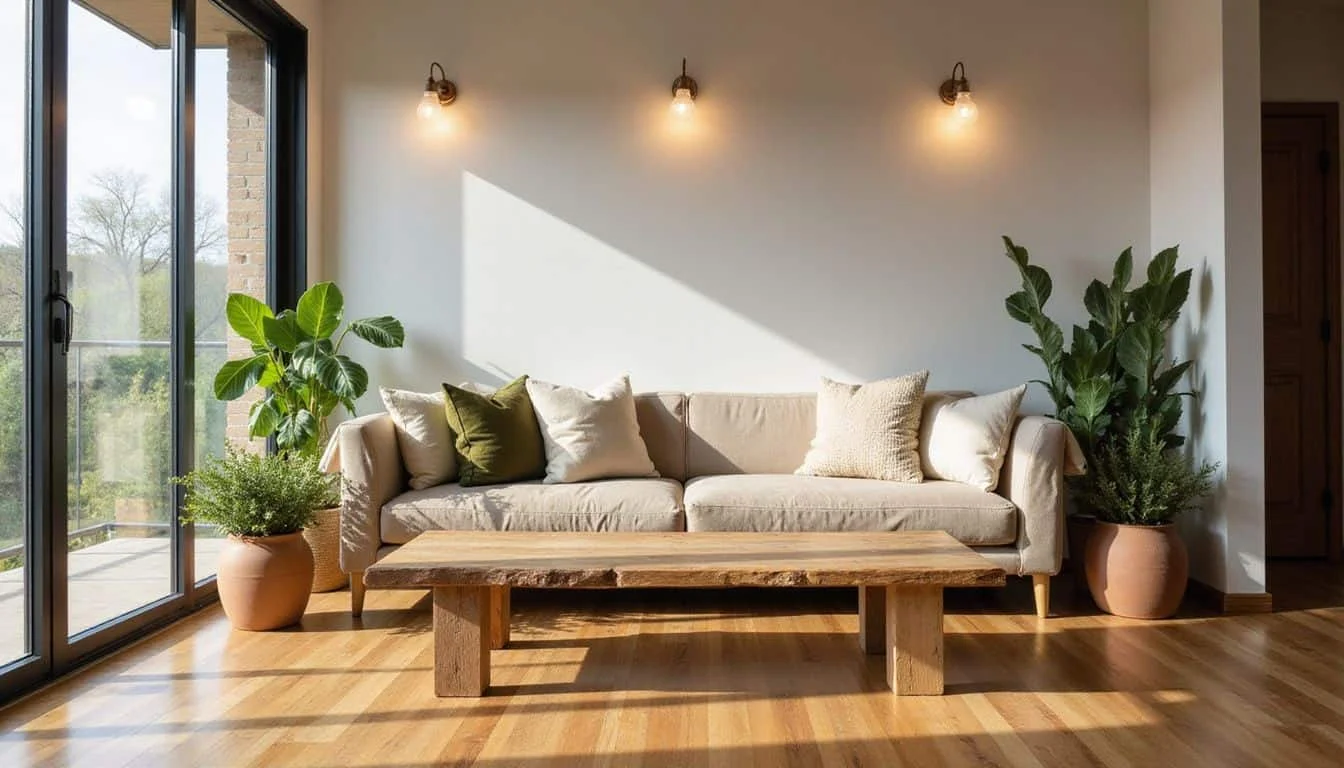
Some popular sustainable materials include reclaimed wood, bamboo, cork, recycled metals, and fabrics made from organic cotton or linen. These materials often boast renewable qualities or are sourced through processes that reduce environmental impact. Choosing such options supports a greener home while often adding unique textures and character.
Benefits of Using Sustainable Materials
Environmental Impact Reduction
Using sustainable materials helps reduce deforestation, pollution, and resource depletion. Reclaimed or recycled elements limit waste going into landfills and lower greenhouse gas emissions associated with manufacturing new products. This collectively mitigates climate change and preserves natural ecosystems.
Health and Well-being Advantages
Homes furnished with sustainably sourced materials often have better indoor air quality. Natural textiles and low-VOC finishes decrease exposure to harmful chemicals, promoting health. Additionally, biophilic design principles that integrate natural elements improve mood and reduce stress.
Long-term Cost Savings
Though some sustainable materials may have a higher upfront cost, they tend to be more durable and timeless. Investing in quality pieces reduces the need for frequent replacements, saving money over time. Sustainable decor also maintains value better, making it a prudent financial choice.
How to Identify Truly Sustainable Materials
Certifications and Labels to Look For
Labels like Fair Trade, Forest Stewardship Council (FSC), and Global Organic Textile Standard (GOTS) provide assurance that products meet environmental and ethical standards. These certifications verify responsible sourcing, fair labor practices, and minimal chemical use, helping consumers make informed decisions.
Evaluating Material Lifespan and Durability
Assessing the quality and longevity of materials is vital. Sustainable design favors products built to last, avoiding fast-fashion style trends or disposable items. Durable materials reduce waste and contribute to a stable, sustainable home environment.
Practical Ways to Incorporate Sustainable Elements
Choosing Sustainable Flooring Options
Flooring significantly impacts a room’s sustainability. Options like bamboo and cork are renewable and provide resilience. Reclaimed hardwood and recycled tile offer classic aesthetics while diverting materials from landfills. Avoid synthetic carpets with high VOC emissions to maintain air quality.
Eco-Friendly Furniture Selections
Opt for furniture made from reclaimed wood, sustainably harvested timber, or recycled metals. Prioritize craftsmanship and timeless design rather than cheap, mass-produced pieces that often use harmful chemicals and lack durability. Checking for certifications can ensure ethical production.
Using Recycled and Upcycled Decor Pieces
Incorporating recycled or upcycled decor reduces demand for new materials and adds unique character. Upcycling transforms discarded items into functional art, reducing waste. Whether using glass, metal, or fabric scraps, these pieces tell a story and sustain resources.
Natural Textiles and Fabrics for Home Use
Natural fibers such as organic cotton, hemp, and linen offer breathable, biodegradable alternatives to synthetic fabrics. Choosing textiles certified for organic and fair labor practices guarantees social fairness alongside environmental benefits. These materials enhance comfort while supporting sustainability.
Styling Tips for a Modern Sustainable Home
Blending Sustainability with Current Trends
Integrating sustainable materials does not mean sacrificing style. Focus on classic designs that won’t feel outdated quickly. Incorporate modern touches through eco-conscious colors, textures, and finishes to maintain a fresh appearance while honoring sustainability.
Color Palettes Inspired by Nature
Earth tones, muted greens, and soft neutrals evoke a calming, natural ambiance. These hues complement sustainable materials and create a cohesive, inviting atmosphere. Nature-inspired colors enhance the biophilic connection in your space.
Balancing Aesthetics and Functionality
Prioritize furniture and decor that deliver both beauty and usability. Sustainable design emphasizes function without compromising style. Selecting pieces with multifaceted purposes or modularity extends usefulness and supports a clutter-free, eco-friendly home environment.
Overcoming Challenges in Sustainable Home Decorating
Managing Budget Constraints
While some sustainable materials may appear costly, focusing on quality over quantity helps stretch your budget. Consider refurbished or secondhand items and prioritize essential pieces. Long-term durability reduces replacement costs, making sustainability financially viable.
Finding Reliable Suppliers
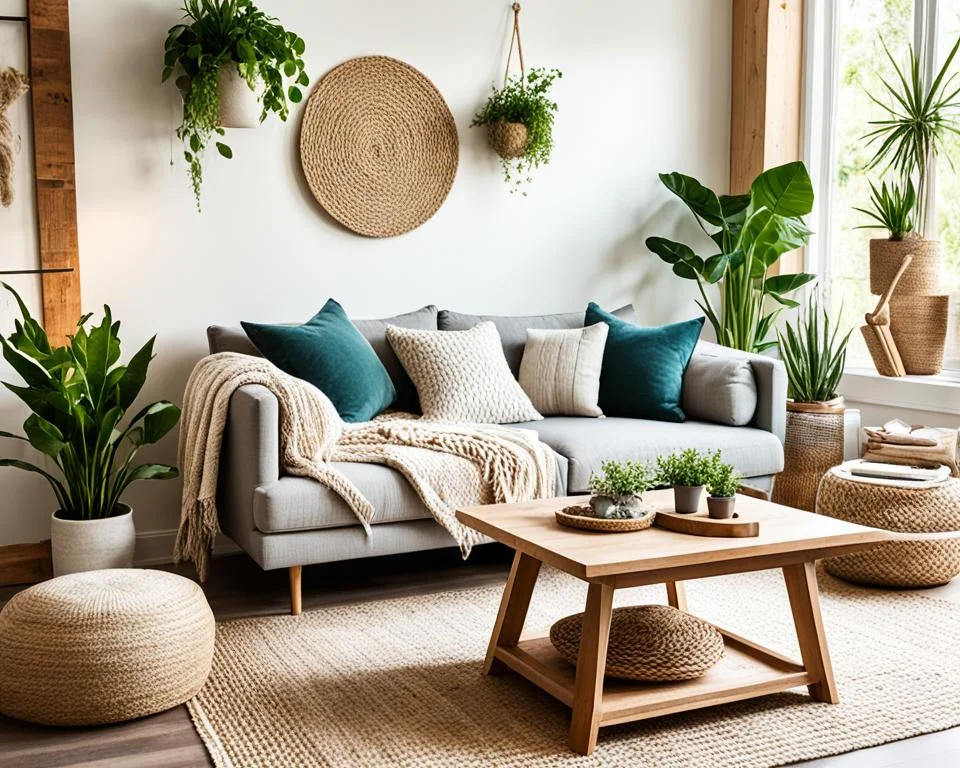
Shopping with trusted vendors who provide transparent sourcing details and certifications is crucial. Research brands and ask questions about production processes. Local artisans and specialty eco-friendly stores often offer authentic sustainable products.
Addressing Misinformation and Greenwashing
Beware of labels that only superficially claim eco-friendliness without substantive proof. Evaluate the full environmental and social impact rather than relying on marketing buzzwords. Seek verified certifications and educate yourself on key sustainability criteria.
Future Trends in Sustainable Home Decor
Innovative Eco-Friendly Materials on the Rise
The future of sustainable decor includes breakthroughs like mycelium-based materials, recycled ocean plastics, and bio-based resins. These innovations promise stylish, durable options with minimal environmental footprints that redefine green living.
Integrating Smart and Sustainable Technologies
Smart home systems that optimize energy use and indoor climate contribute to sustainable living. Combining technology with eco-conscious design enhances comfort, reduces waste, and supports efficient resource management in modern homes.


