

Understanding Minimalist Modern Decor for Small Apartments
Key Principles of Minimalism in Interior Design
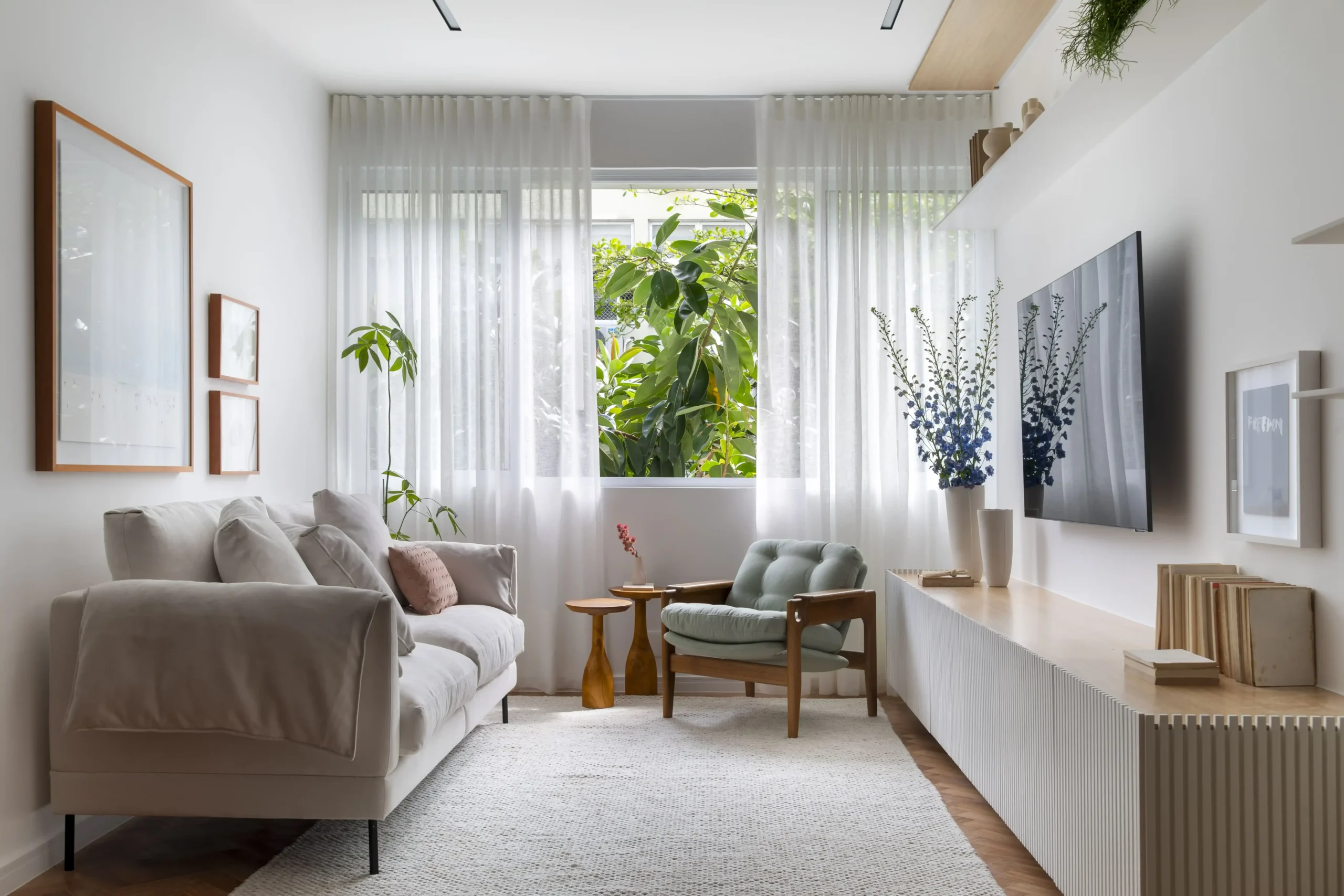
Minimalism in interior design is all about embracing simplicity and functionality. Imagine a small apartment where every piece of furniture and decor serves a clear purpose, reducing distractions and making the space feel calm and open. It focuses on clean lines, uncluttered surfaces, and a restrained color palette. For example, instead of a bulky bookshelf crammed with items, a minimalist approach encourages a single floating shelf with carefully selected books and art. This not only frees up physical space but also visual space, which is crucial in small apartments.
Characteristics of Modern Decor Styles
Modern decor emphasizes sleek, streamlined furniture and materials such as glass, metal, and light-toned wood. It favors function without sacrificing style. In a small apartment, a modern style can be observed in furniture choices like a slim profile sofa or a glass dining table that visually opens up the room. The focus is on creating a fresh, airy atmosphere where every element complements one another without competing for attention. Using white oak furniture paired with minimal ornamentation exemplifies this aesthetic well.
Why Minimalist Modern Decor Works for Small Spaces
Combining minimalism with modern decor creates a harmonious environment that maximizes space both physically and visually. Small apartments benefit enormousl y since the neutral palettes and simple forms avoid overwhelming the room. This style emphasizes multipurpose furniture and clever layout strategies, making small spaces feel larger and more inviting. For instance, floating furniture not only clears floor areas but adds to the modern appeal, while the minimalist restraint ensures that the room doesn’t feel claustrophobic or chaotic.
Planning Your Small Apartment Layout
Assessing Your Space: Measuring and Mapping
Before rushing to buy furniture or decorating, take the time to measure every corner of your apartment carefully. Sketch a floor plan, including doorways, windows, and fixed features such as radiators. This step is crucial for realistic planning. I once helped a friend who tried to fit a large dining set into her studio without measuring, only to find out it blocked the walkway. Knowing exact dimensions allows you to invest in pieces that truly fit and function. Mapping helps in visualizing zones like living, working, or dining areas clearly and efficiently.
Choosing Functional Furniture to Save Space
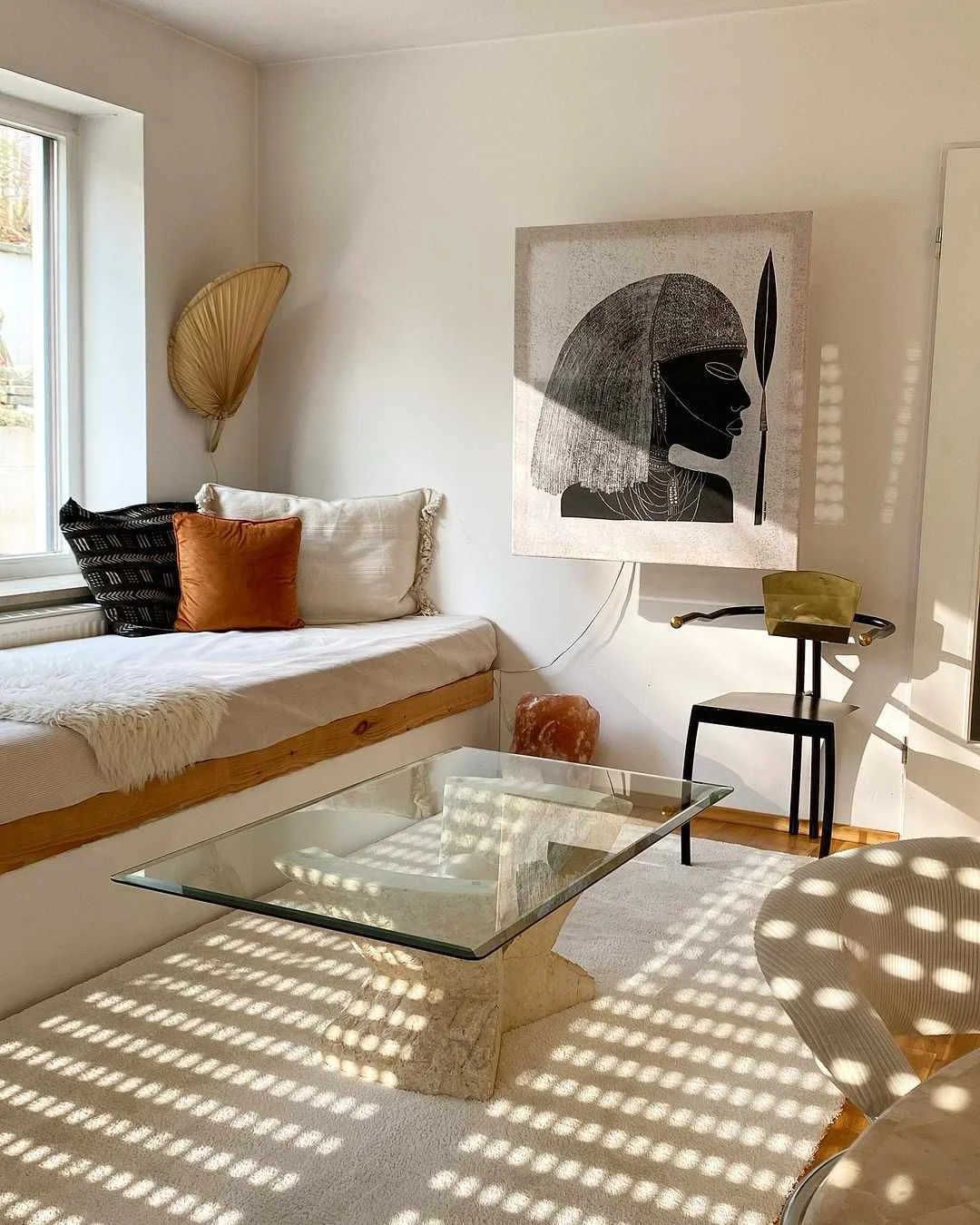
When it comes to furniture, choose pieces that serve multiple functions. A bed with built-in drawers is a practical example; it provides sleeping space while offering extensive storage for clothes or linens. Similarly, storage ottomans can double as seating and conceal belongings, reducing visible clutter. Floating desks or wall-mounted shelves free up floor space, making the apartment feel less congested. Investing in bar stools for a small dining counter instead of large chairs can create a designated eating area without demanding much room.
Open Floor Plans and Multifunctional Areas
Open floor plans work wonders in small apartments by eliminating walls that segment space and create confinement. Creating multifunctional zones where, say, a dining area transitions seamlessly into a workspace makes the apartment more adaptable. For example, a corner with a wall-mounted desk can double as a vanity or a hobby station. Avoiding rigid room divisions enhances flow and keeps the space flexible to your evolving needs, reinforcing the minimalist modern ethos of practical design.
Color Schemes and Lighting to Enhance Space
Utilizing Light Colors to Create Illusion of Space
Choosing the right color palette is fundamental for making a small apartment appear larger. Soft tones like cream walls, white oak furniture, and beige bedding create a cohesive and light-reflective environment. In one case, a friend repainted her dark blue apartment to a creamy off-white, which instantly lifted the mood and made the rooms feel twice their size. Light colors reduce visual weight and create an inviting, airy atmosphere essential for minimalism.
Natural vs Artificial Lighting: Best Practices
Natural light is a precious commodity in small spaces. Avoiding heavy, dark drapes that block sunlight is key to maximizing it. Sheer curtains or blinds that filter light without obstruction work best. When natural light wanes, layering artificial light using recessed ceiling lights, sleek floor lamps, and task lighting can create warmth without crowding the space. For example, strategically placed wall-mounted lamps free up floor space and add modern flair while illuminating zones like reading corners or work desks.
Accent Colors and Textures Without Clutter
Adding personality through accent colors and textures is important but must be done thoughtfully to avoid clutter. Colorful throw pillows or a single statement piece of wall art can enliven a neutral palette without overwhelming it. Textured linen cushions or a soft wool rug introduce tactile interest while maintaining simplicity. The key is restraint—selecting just a few pops of color and mixing subtle textures to create depth without compromising the minimalist feel.
Smart Storage Solutions for Minimalism
Built-in Storage Ideas for Modern Apartments
Built-in storage helps streamline a small apartment by embedding functional elements into the architecture. Examples include floor-to-ceiling cabinets or shelves that integrate smoothly with walls, reducing the need for extra furniture. A friend transformed her one-bedroom by installing built-in wardrobes with sliding doors, which saved significant space compared to standalone closets. This approach keeps storage hidden, making the room feel uncluttered and more spacious.
Decluttering Tips to Maintain Minimalist Aesthetic
The heart of minimalism lies in disciplined decluttering. Keep only items that are either functional or spark joy. Regularly revisit your belongings and donate or discard things that no longer serve you. Maintaining clear surfaces is vital; a cluttered coffee table or kitchen counter instantly betrays minimalist intent. Setting a daily or weekly routine to tidy up helps sustain an organized, serene environment that small apartments rely on.
Invisible Storage: Furniture with Hidden Compartments
Invisible storage is an ingenious way to conceal belongings and maintain a clean aesthetic. Consider sofas with hidden compartments under the cushions or beds fitted with drawers beneath the frame. These choices allow for efficient use of limited space, hiding away essentials while preserving the minimal look. For example, a storage ottoman can hold blankets or books but also serve as a casual seat or footrest, proving multifunctionality increases space utility.
Decorative Elements That Complement Minimalist Style
Selecting Art and Accessories Wisely
Art and accessories in minimalist modern apartments should enhance rather than overpower. Instead of filling walls with many small pieces, opt for one large piece or a focused gallery wall with cohesive elements. Thoughtfully chosen items like a single abstract painting or a sculptural vase convey personality without visual noise. This deliberate choice directs attention and harmonizes with the clean lines and neutral background typical of the style.
Incorporating Plants Without Overcrowding
Plants add life and softness but need careful placement to avoid clutter. Small potted plants on wall-mounted shelves or a tall, slender floor plant corner can bring freshness without encroaching on space. For instance, a trailing plant in a hanging planter adds greenery without taking up floor or table space. Choosing low-maintenance varieties keeps the upkeep minimal, aligning well with minimalist values.
Balancing Form and Function in Decor Choices

Every decorative element should ideally offer utility. This balance means selecting pieces that are as practical as they are beautiful. For example, decorative baskets can store throws or magazines, while doubling as stylish accents. A sleek clock or modern mirror not only decorates the wall but serves a purpose, supporting the minimalist goal to merge form and function seamlessly.
Case Studies: Successful Minimalist Modern Small Apartments
Studio Apartment Transformations
A young professional living in a 350-square-foot studio completely reimagined her space by painting walls cream and choosing white oak furniture. She installed floating shelves and used a bed with storage drawers, which freed up floor space. Incorporating colorful pillows provided personality without clutter. This setup transformed her cramped studio into a bright, tidy hub tailored to her lifestyle, blending work, rest, and socializing areas effortlessly.
One-Bedroom Apartment Makeovers
In a one-bedroom city apartment, a couple embraced multifunctional zones by creating a compact dining area with bar stools and a wall-mounted office desk in the living room. They avoided bulky sofas and instead selected a sleek modern couch with hidden compartments. Clear surfaces and carefully curated wall art kept the apartment feeling spacious and inviting. These thoughtful decisions made every square foot count without sacrificing style or comfort.
Maximizing Vertical Space in Compact Units
Vertical space is often overlooked but vital in compact apartments. One example includes installing floor-to-ceiling bookshelves and using wall-mounted plants to decorate upwards. A floating desk maximized the wall area for productivity without invading the floor, and light fixtures positioned high drew the eye upward, making the ceilings seem taller. Utilizing verticality in this way radically expanded the usable space without adding bulk.
Final Touches: Maintaining Your Minimalist Modern Space
Regular Cleaning and Organization Habits
Maintaining a minimalist modern apartment requires ongoing effort. A daily habit of putting items back in their place ensures surfaces stay clear, which is essential for the look to remain intact. Regular cleaning prevents dust buildup that can draw attention to clutter. Setting reminders or a weekly cleaning routine can make this manageable and keep your home perpetually fresh and inviting.
Adapting Decor Seasonally Without Clutter
Seasons offer a great opportunity to refresh your decor, but it must be done carefully to avoid clutter. Rotating cushions or throws in seasonal colors, swapping artwork, or bringing in a few new plants can keep the space feeling vibrant. However, it’s important to store off-season items neatly and avoid over-accessorizing. Thoughtful, minimal changes maintain the apartment’s sleek aesthetic while allowing personal expression to evolve throughout the year.


