

Understanding Natural Light and Its Seasonal Variations
The Science Behind Natural Light Throughout the Year
Natural light is constantly changing as the Earth orbits the sun. This movement affects the angle, intensity, and duration of sunlight entering our living spaces throughout the year. In summer, sunlight tends to be more direct and intense, flooding rooms with bright, warm rays. Conversely, winter sunlight arrives at a lower angle, offering softer, more diffused light that lasts for shorter periods.
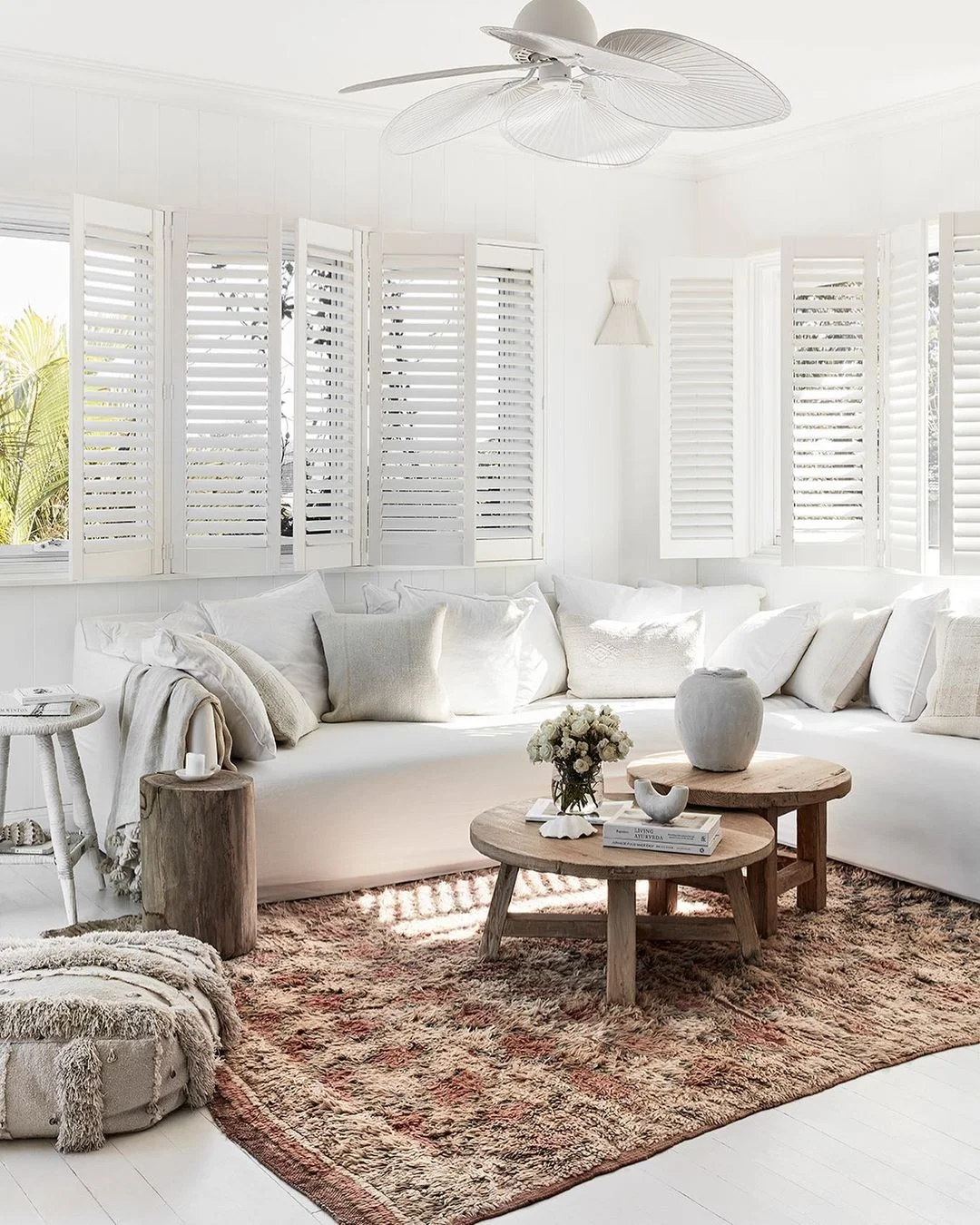
These seasonal shifts impact not only the brightness of indoor areas but also the atmosphere and comfort levels. Understanding how natural light behaves allows homeowners to tailor their window treatments and decor, making spaces feel inviting regardless of the time of year.
Impact of Seasonal Light Changes on Indoor Spaces
Seasonal light variations are more than just aesthetic changes—they influence mood, energy efficiency, and how we experience our homes. In darker months, maximizing available light can help combat the gloom and provide warmth, both visually and physically. On the other hand, during summer, controlling harsh sunlight can prevent overheating and glare.
Seasonal light also plays a role in circadian rhythms. Allowing morning light to enter helps regulate sleep patterns and boosts overall well-being. Being mindful of these changes encourages a dynamic approach to window treatments and room arrangement.
Choosing the Right Window Treatments for Each Season
Summer Strategies: Reflecting and Diffusing Intense Sunlight
Summer calls for solutions that soften intense sunlight without sacrificing natural brightness. Sheer fabrics are an excellent choice, as they filter light gently and keep rooms airy. Lighter colors—whites, creams, pastels—further enhance light reflection, making spaces feel cooler and more open.
To avoid excessive heat, reflective blinds or shades that bounce sunlight away can be installed, especially on west- or south-facing windows. Tall windows benefit from floor-to-ceiling treatments that can be adjusted to block direct rays while letting in ambient light.
Winter Tactics: Maximizing Warmth and Brightness
During winter, the goal shifts to capturing as much natural light and heat as possible. Lightweight, translucent curtains enable sunlight to pour in while still offering some insulation. Opting for window treatments in warm, light hues will brighten the space and enhance the cozy feel.
Opening blinds and curtains at dawn capitalizes on early light, contributing both to physical warmth and emotional uplift. Avoid heavy, dark materials that can absorb light and make rooms feel smaller and colder.
Spring and Fall: Balancing Light and Privacy
These transitional seasons require a delicate balance between welcoming soft daylight and maintaining privacy. Layered window treatments work well here—combining sheers with blinds or curtains allows flexibility. During the day, sheer panels can be pulled back to let in light, while heavier drapes can be closed in the evening.
Seasonal adjustments are crucial since daylight hours and light quality fluctuate quickly. Observing how the sun moves through your space during these months helps in deciding the best treatment combinations to maximize comfort and ambiance.
Decor Elements That Enhance Light Flow
Mirrors, Metallics, and Reflective Surfaces
Reflective decor plays a starring role in boosting natural light. Strategically placing mirrors opposite or near windows multiplies sunlight, brightening even dim corners. Uncommon spots like stairways, landings, or above sofas and kitchen counters are ideal for a gloss-finish mirror or metallic artwork.
Incorporating metallic accents such as brass lamps, chrome frames, or polished surfaces also scatters light throughout the room, adding a subtle sparkle that enlivens the space.
Light-colored Fabrics and Furniture
Furniture and textiles in light colors significantly impact how natural light moves within a room. Upholstery in white or pastel tones reflects rather than absorbs light, making interiors feel more expansive. Window treatments in similar shades complement this effect and prevent the space from feeling closed off or heavy.
Choosing materials with a slight sheen—like silk or satin—can add a luminous quality, contrasting beautifully with matte finishes in the surroundings.
Seasonal Plant Placement and Window Sills
Plants breathe life into rooms while also interacting with natural light. Choosing locations near windows ensures they thrive and create dynamic shadows that enliven your decor. Seasonal rotation of plants is a clever way to connect interiors with the outdoors—vibrant spring blooms in pastel pots or warm-toned autumn foliage can subtly complement window treatments and reinforce the seasonal mood.
Don’t underestimate the visual interest that well-curated window sill arrangements offer. They help draw attention to the windows themselves, enhancing the connection between inside and out.
Innovative Window Treatment Materials and Technologies
Smart Glass and Automated Shades
The rise of smart home technology has introduced window treatments that adapt effortlessly to seasonal changes. Smart glass, for instance, adjusts its tint automatically based on sunlight intensity, balancing privacy and light without manual intervention.
Automated shades and blinds can be programmed to open or close at specific times, optimizing natural light use in tune with your daily routine. These technologies help reduce energy consumption by regulating heat and light with precision.
Sustainable and Eco-Friendly Fabric Options
Opting for eco-conscious materials has become more accessible, with fabrics made from organic cotton, bamboo, or recycled fibers gaining popularity. These options often feature lightweight, breathable qualities perfect for enhancing natural light flow while supporting environmental values.
Choosing sustainable fabrics also means you avoid heavy synthetic materials that can block or dull sunlight, promoting a healthier indoor environment.
Design Tips for Layering Treatments and Decor
Combining Blinds, Curtains, and Sheers for Versatility
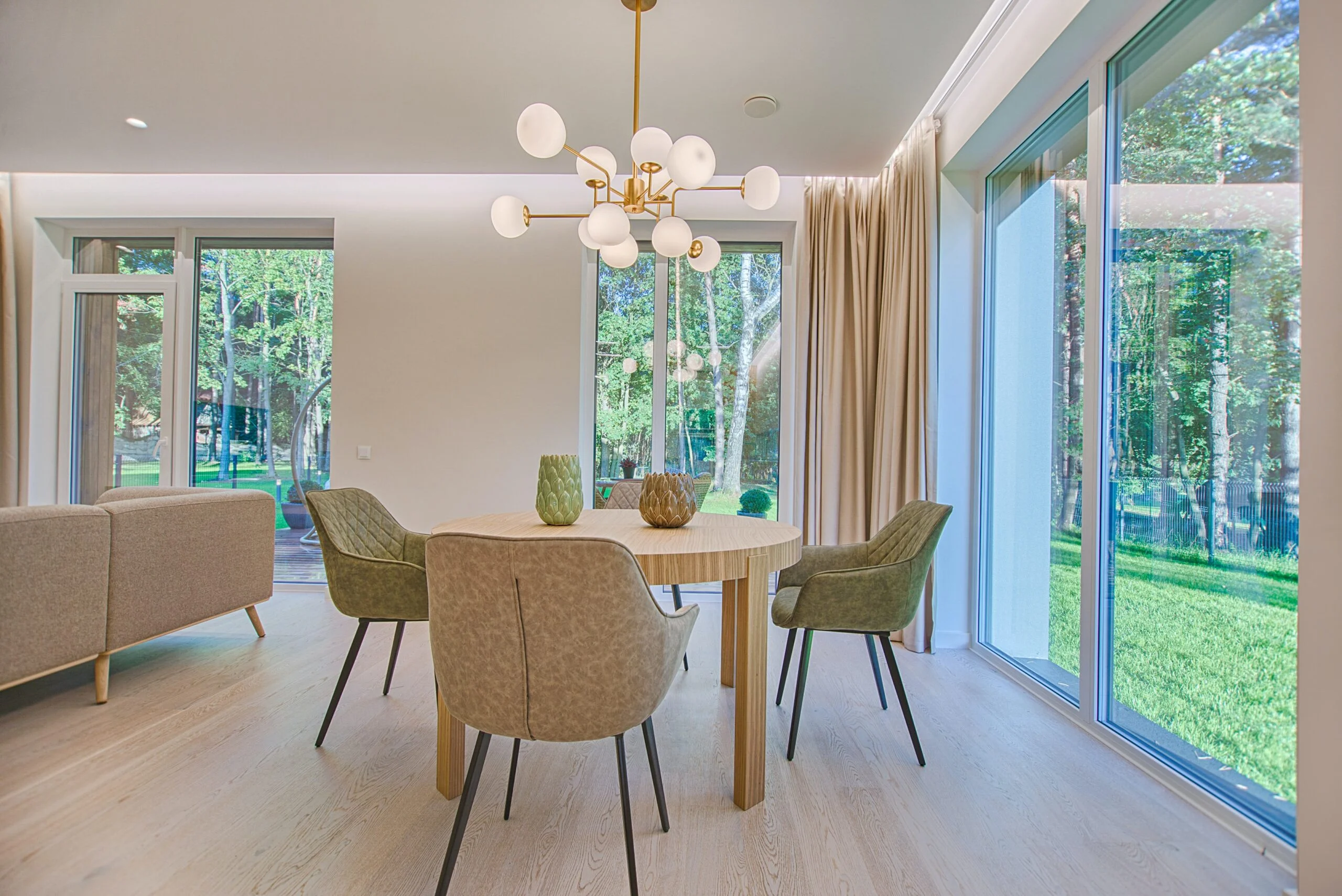
Layering window treatments brings versatility and control to natural light management. For example, pairing a set of blinds with sheer curtains allows you to adjust privacy and light diffusion with ease. This layering also adds depth and texture to your windows, elevating the room’s style.
When planning layers, consider the size and height of your windows. Tall windows call for longer curtains that frame the space and open fully, while compact windows benefit from streamlined, lightweight options that don’t overwhelm.
Seasonal Rotation: When and How to Switch Them
Switching your window treatments with the seasons is an effective way to maintain optimal light levels and comfort. The key is to have a clear system for storing and swapping heavier curtains for sheers or lighter fabrics as needed.
Pay attention to how daylight shifts around equinoxes and solstices, times when light patterns alter significantly. Use this knowledge to plan seasonal transitions, ensuring your home always feels fresh and responsive to the natural environment.
Case Studies: Real-Life Applications of Seasonal Light Maximization
Urban Apartments vs. Country Homes
Urban apartments tend to face challenges like limited window size and close external structures blocking light. Here, choosing sheer curtains and reflective decor can make a huge difference. Layering blinds and curtains adds privacy without sacrificing brightness, vital in densely populated areas.
Country homes often boast larger windows with expansive views that flood rooms with light. The focus shifts to controlling glare and heat, using automated shades or smart glass technology. Emphasizing natural materials and seasonal plants enhances the connection with the outdoors in these spacious homes.
Small Rooms vs. Large Living Areas
In small rooms, avoiding dark, heavy window treatments is critical to prevent a cramped feeling. Opt for light colors and sheer fabrics that open up the space. Mirrors and minimalist decor help bounce light around, creating an airy atmosphere.
Large living areas offer more freedom to experiment. Combining multiple reflective surfaces, layered treatments, and seasonal plant arrangements can create cozy nooks or bright social zones, adapting easily as daylight changes.
Tools and Resources for Planning Your Seasonal Window Treatments
Sunlight Intensity and Angle Calculators
Online tools that track sunlight intensity and the sun’s angle across seasons are invaluable for planning your window strategies. These calculators provide data specific to your location, helping you decide where to place furniture, mirrors, and what type of window treatments are best suited for different times of the year.
Using these insights minimizes guesswork, ensuring that your design choices are both practical and beautiful.
Top Brands and Products Recommendations
Several brands specialize in high-performance window treatments and smart home solutions. Look for companies offering sustainable fabrics and automated shading systems with positive reviews for ease of use and durability.
When selecting products, prioritize those that offer customization options in size, color, and layering capabilities, so you can tailor your approach to maximize natural light effectively throughout the year.


