

Understanding the Role of Wood Chips and Charcoal in Grilling
How Wood Chips Influence Flavor Profiles
When grilling chicken, the choice of wood chips plays a crucial role in shaping the overall flavor. Wood chips release smoke that infuses the meat with unique aromas and tastes, enhancing the sensory experience of a simple grilled dish. Different wood types produce varying smoke intensities and nuanced flavors, from subtle sweetness to strong, bold smokiness. Without the right wood chips, grilled chicken can lack depth and complexity, resulting in a bland finish.
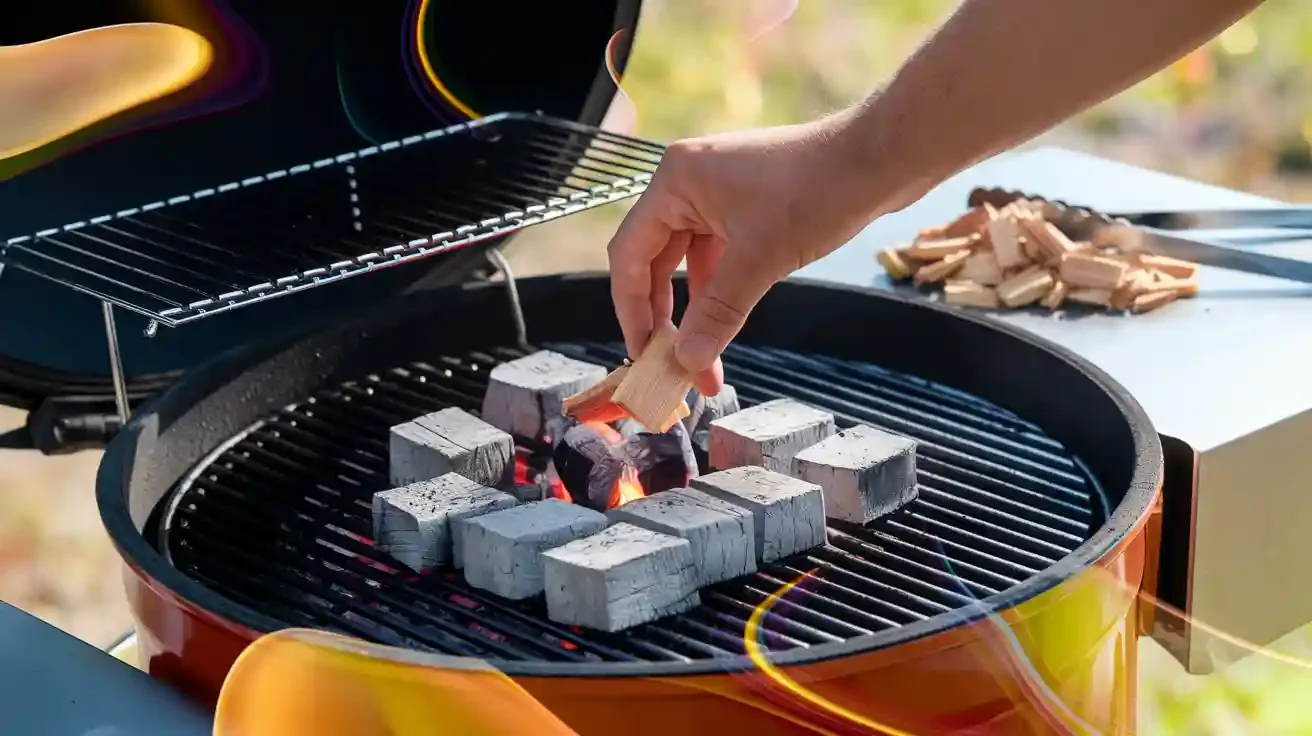
Charcoal Types and Their Impact on Heat and Aroma
Charcoal serves as the primary heat source in grilling, but it also contributes to the flavor of the chicken. The type of charcoal used affects how quickly and evenly the heat distributes, as well as the quality and intensity of the smoke. Lump charcoal burns hotter and cleaner, producing less ash and a more natural smoky aroma. Briquettes, in contrast, offer consistent temperature over extended periods but can sometimes incorporate additives that affect the flavor quality. Choosing the right charcoal is essential for balancing heat control with optimal smoky flavor.
Top Wood Chips for Grilled Chicken
Fruitwoods: Apple, Cherry, and Peach
Fruitwoods are often favored for grilling chicken due to their mild, sweet smoke that complements the natural flavors of poultry. Apple wood, in particular, imparts a fragrant, slightly sweet profile that enhances the juiciness of grilled chicken without overpowering it. Cherry wood adds a subtle richness and a rosy hue to the meat, perfect for a delicate, refined taste. Peach wood offers a unique floral aroma that crisps the chicken skin with a light, inviting smoke essence. However, overusing fruitwoods can make the flavor too sweet, masking the natural chicken taste.
Hardwoods: Hickory and Oak
Hardwoods like hickory and oak bring a stronger, more pronounced smoky flavor that can stand up to robust marinades or spiced rubs. Hickory produces a bacon-like aroma and deep smoke, making grilled chicken rich and hearty. However, hickory’s intensity can sometimes overwhelm more delicate chicken cuts if used excessively. Oak offers a balanced smoke that is less aggressive than hickory but still provides a savory, earthy character that deepens the flavor without becoming too sharp. Both woods are excellent choices for those aiming for a traditional smoky taste.
Specialty Woods: Mesquite and Pecan
Mesquite and pecan woods cater to specific flavor preferences. Mesquite is potent and earthy, delivering a fast-burning fire and a distinctive, bold smokiness ideal for those who favor intense flavors. It demands careful handling to prevent bitterness and excessive charring. Pecan wood is milder and sweeter than hickory, offering a nutty, buttery smoke that pairs beautifully with grilled chicken. It provides a middle ground for flavor lovers seeking complexity without harshness.
Choosing the Right Charcoal for Optimal Chicken Flavor
Lump Charcoal vs Briquettes: Pros and Cons
The choice between lump charcoal and briquettes significantly influences both the grilling process and final taste. Lump charcoal, made from natural wood chunks, lights quickly and burns hotter with cleaner smoke, making it ideal for fast cooking styles and imparting pure smoky flavors. However, its burn time is shorter and temperature less consistent. Briquettes, composed of compressed charcoal and binders, provide steady heat over longer periods, ensuring even cooking without frequent adjustments. Yet, they tend to produce more ash and sometimes less “natural” smoke flavors, possibly affecting the chicken’s aroma.
Natural Charcoal vs Chemical-Enhanced Options
Natural charcoal, free from additives, enhances grilled chicken with pure, uncontaminated smoke that intensifies the meat’s flavor authenticity. Chemical-enhanced charcoal or briquettes may contain binders and ignition aids that can introduce off-flavors, producing unpleasant chemical undertones. For grilling chicken, especially when focusing on flavor, natural hardwood lump charcoal or natural briquettes are preferable, as they contribute to a cleaner smoke and a more enjoyable eating experience.
Perfect Pairings: Best Wood Chip and Charcoal Combinations
Light and Sweet Combinations for Juicy Chicken
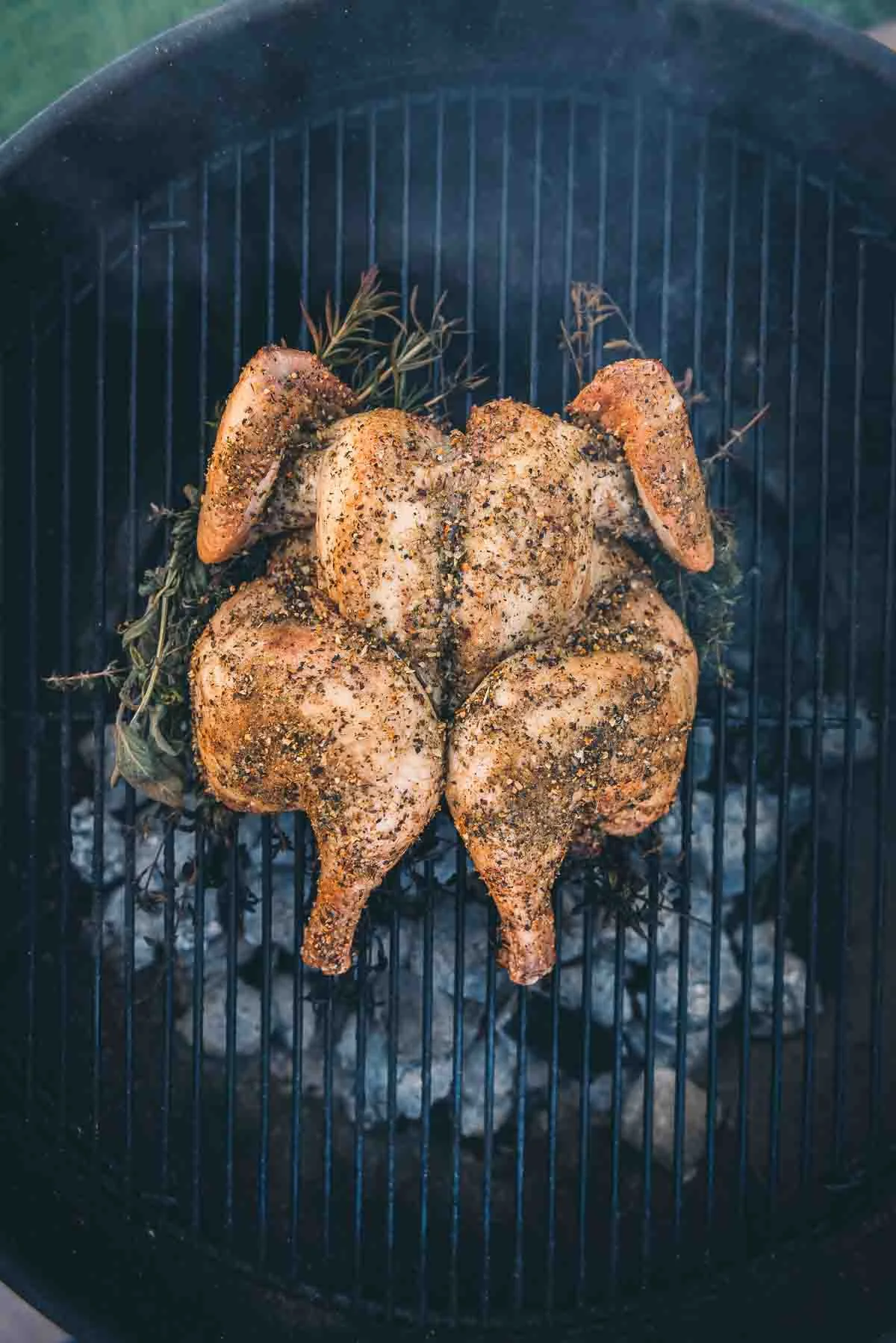
For a delicate and juicy chicken flavor, pairing fruitwood chips like apple or cherry with lump charcoal is highly effective. Lump charcoal’s clean burn highlights the subtle sweetness of fruitwoods without masking the chicken’s natural taste. This combination allows the smoke to lightly infuse the meat, creating a tender, aromatic bite perfect for skin-on breasts or thighs. Such pairings are best for quick grilling sessions where the goal is to accentuate rather than dominate the chicken’s flavor.
Bold and Smoky Mixes for Robust Flavor
When aiming for a robust and smoky profile, hardwood chips like hickory or oak combined with natural briquettes offer a reliable heat source and deep smoky infusion. The longer burn time of briquettes matches well with the intense smoke of these hardwoods, delivering a full-bodied flavor that satisfies those craving a traditional barbecue taste. Adding a touch of pecan or mesquite wood chips can further enrich complexity, though care must be taken to balance these stronger woods so the chicken doesn’t dry out or become overly bitter.
Step-by-Step Guide to Using Wood Chips and Charcoal Together
Preparing Wood Chips: Soaking and Placement Techniques
A common misconception in grilling is that wood chips must be soaked before use to prevent burning and produce smoke. However, many barbecue professionals argue that soaking is unnecessary and may even reduce smoke quality. Dry wood chips generate better smoke and flavor infusion. Placement of wood chips is equally important; scatter them evenly over hot charcoal or use a smoker box for controlled smoke release. Start with 2-3 wood chunks per chimney full of charcoal to strike the right balance without overpowering the chicken with smoke.
Managing Charcoal Heat and Smoke for Chicken
Controlling the heat and smoke is essential for grilling chicken evenly and flavorfully. Lump charcoal burns hotter and faster, requiring close monitoring and occasional replenishing, whereas briquettes maintain more steady temperatures suitable for longer cooks. Position coals for indirect heat to avoid flare-ups and dryness. Adjust vents to modulate airflow, influencing smoke density and the burning rate. This management ensures the chicken cooks through while absorbing ideal smoke flavors without becoming bitter or charred.
Additional Tips to Elevate Grilled Chicken Taste
Marinades That Complement Smoky Flavors
Marinating chicken before grilling adds moisture and enhances the smoke’s impact. Ingredients like citrus, garlic, herbs, and mild spices pair beautifully with fruity and light smoke profiles, while bolder smokes from hickory or mesquite harmonize with savory, spicy, or smoky marinades containing paprika, chili, or mustard. Avoid heavy sugar-based marinades that may burn quickly over intense charcoal heat, as this can create unpleasant bitterness.
Timing and Monitoring for Perfect Doneness
Under or overcooking chicken not only affects texture but also how it absorbs smoky flavors. Using a meat thermometer ensures accurate internal temperature, ideally 165°F (74°C) for safety and juiciness. Monitoring the progress and adjusting wood chip and charcoal levels throughout the cook allows consistent smoke without overwhelming the meat. Pausing the addition of wood chips during the final stages can prevent excessive smoke buildup, preserving the intended balanced flavor.


