

Introduction to Seasoning Blends for Oven-Baked Chicken
Why Seasoning Matters
Seasoning is the foundation of any flavorful dish, especially when it comes to oven-baked chicken. Without the right blend of herbs and spices, chicken can taste bland or dry, even after careful cooking. Proper seasoning enhances the natural flavors and adds layers of complexity to each bite. It also helps to create a beautiful crust that elevates the overall eating experience.
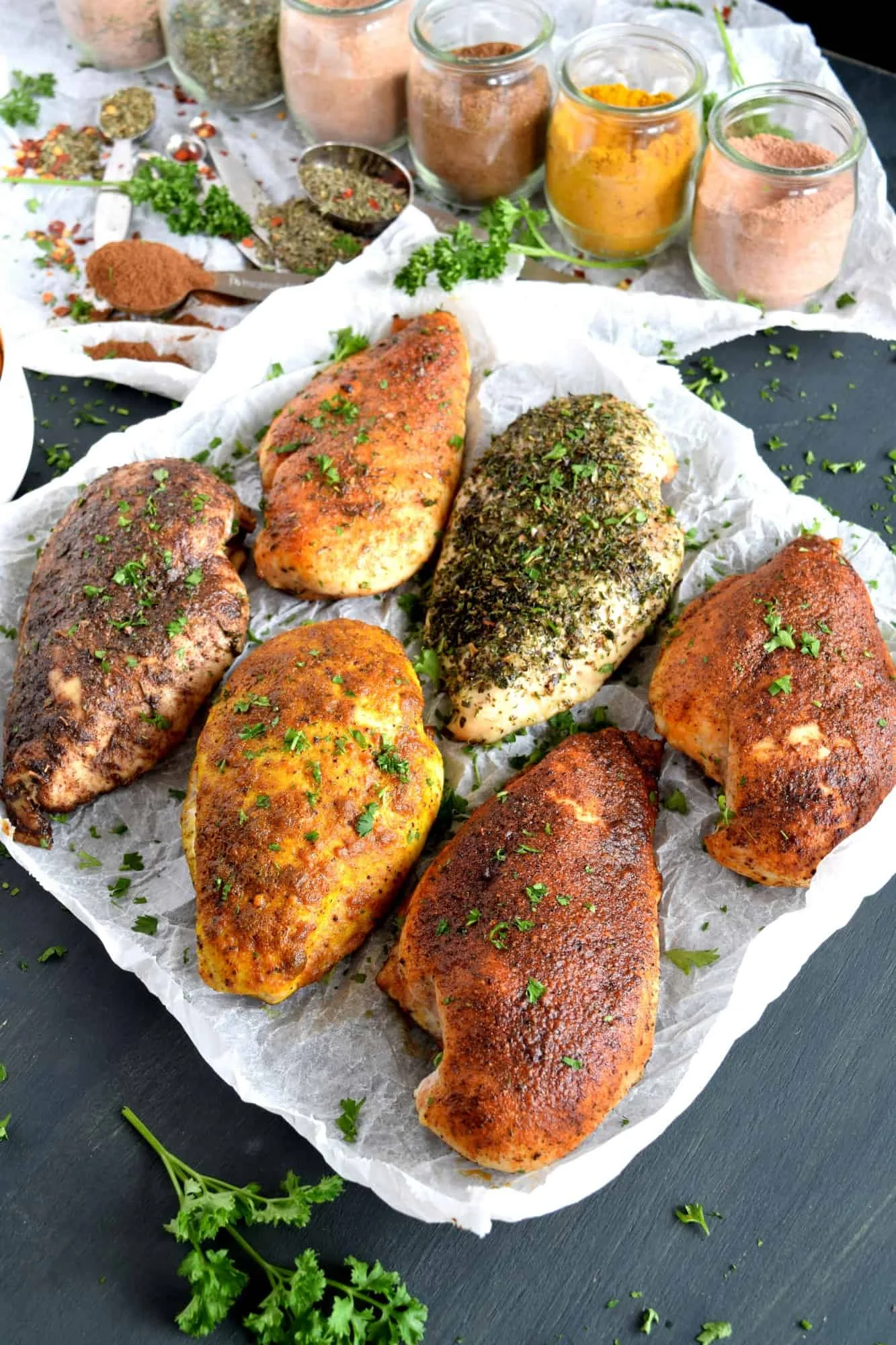
The Impact of Oven-Baking on Flavor
Oven-baking is a popular cooking method due to its convenience and ability to cook chicken evenly. However, it presents unique challenges for flavor retention. The dry heat of the oven can sometimes draw moisture out of the meat, making it tough or less juicy. This is why the right seasoning blends and application techniques are crucial; they not only infuse the chicken with vibrant taste but also help retain moisture by forming a protective crust during baking.
Top 5 Classic Seasoning Blends
Herbes de Provence Mix
One of the timeless blends, Herbes de Provence, features a fragrant mix of thyme, rosemary, basil, and lavender. This combination imparts a floral and earthy aroma that pairs exceptionally well with chicken’s mild flavor. The problem with baking chicken without proper seasoning is missing out on these nuanced notes. Sprinkling Herbes de Provence before baking creates an elegant and subtle taste that transforms your chicken from ordinary to gourmet.
Garlic and Paprika Rub
Garlic and paprika create a bold, savory blend that brings warmth and depth to oven-baked chicken. Garlic’s sharp bite combined with the smoky sweetness of paprika enhances the chicken’s natural flavor and develops a beautiful reddish crust. This blend solves the common issue of bland chicken by offering a vibrant punch and adding a robust texture without overwhelming the meat.
Lemon Pepper Seasoning
When chicken lacks brightness or freshness, lemon pepper seasoning is an ideal solution. This blend uses zesty lemon peel and cracked black pepper to deliver a tangy, peppery kick. The acidity from the lemon also helps in breaking down proteins slightly, leading to a tender bite after baking. This seasoning is especially effective for those who prefer lighter, more refreshing flavors.
Smoky BBQ Blend
For lovers of bold, smoky flavors, the BBQ blend addresses a common complaint: oven-baked chicken can sometimes be too mild. This seasoning typically combines smoked paprika, brown sugar, cumin, and chili powder to bring a sweet-and-spicy profile reminiscent of outdoor grilling. It creates a caramelized crust that locks in juices while adding complexity to each piece.
Italian Herb Mix
The Italian herb blend features oregano, basil, thyme, and garlic powder, creating a Mediterranean-inspired flavor that feels both hearty and aromatic. People often find that simple chicken tastes one-dimensional, but this seasoning mix layers herbs that awaken the senses, making it perfect for those seeking a balanced and familiar taste in their baking.
Creating Your Own Signature Blend
Basic Spice Combinations

Many home cooks struggle with finding the right balance when making a seasoning blend from scratch. A good starting point includes salt, black pepper, garlic powder, and paprika. These essentials build a solid base flavor, allowing you to control the intensity and direction of your blend. Ignoring these basics can result in a flat or unevenly seasoned chicken.
Adding Fresh Herbs for Complexity
While dried herbs are convenient, fresh herbs like rosemary, thyme, or parsley introduce vibrant, complex notes that dried blends can’t fully replicate. Incorporating fresh elements just before baking or as a garnish can elevate the dish’s aroma and flavor dramatically. Avoid overcooking delicate herbs as this can cause bitterness; instead, add them toward the end or after cooking for best results.
Balancing Heat and Sweetness
A common problem is seasoning blends that are either too spicy or overly sweet, which can overpower the chicken. Achieving balance means adjusting the ratio of spicy ingredients like red pepper flakes with sweet components such as brown sugar or honey powder. This ensures a well-rounded taste profile that appeals to a wider range of palates without any one note dominating.
Tips for Applying Seasoning to Chicken
Marinating vs. Dry Rubs
One challenge home cooks face is choosing between marinating and dry rubs. Marinating infuses moisture and flavor over time but requires planning. Dry rubs create an immediate, concentrated seasoning layer that crisps nicely in the oven. Both methods have their merits, but improper application or timing can yield disappointing results. A dry rub combined with a short rest period allows seasoning to penetrate while promoting a crisp crust.
Timing: When to Season for Maximum Flavor
Seasoning too late often results in uneven flavor, while seasoning too early might cause drying. The ideal approach is to season the chicken at least 15-30 minutes before baking, allowing the spices to meld with the meat surface. Refrigerating seasoned chicken for up to two hours or overnight intensifies the flavor dramatically. However, over-seasoning for extended periods, especially with salt, can draw out moisture excessively, so timing must be monitored carefully.
Pairing Seasonings with Cooking Techniques
High-Heat Roasting
High-heat roasting brings out caramelization and creates a crispy exterior quickly, but it can dry out chicken if not managed properly. Seasonings with sugar or paprika work well here as they caramelize beautifully, adding texture and flavor depth. It’s important to remove the chicken immediately once the crust caramelizes to avoid overcooking and dryness, a common pitfall with high heat methods.
Slow and Low Oven Baking
Slow and low oven baking gently cooks the chicken, maintaining moisture but sometimes lacking in browning and crispiness. In these cases, seasoning blends that include aromatic herbs and spices help impart flavor that breaks through the mild cooking environment. For extra texture, finishing the chicken under a broiler for a few minutes after slow baking can recreate the crispy exterior without sacrificing juiciness.
Conclusion: Elevate Your Oven-Baked Chicken Experience
Flavorful oven-baked chicken hinges on selecting the right seasoning blend and applying it thoughtfully. Understanding why seasoning matters and how it interacts with different baking techniques can transform an everyday meal into something memorable. Whether you opt for classic blends like Herbes de Provence or craft your own personalized mix, proper timing and application are critical to achieving juicy, delicious results. By avoiding common pitfalls and experimenting within these guidelines, you can consistently create oven-baked chicken that is bursting with flavor and sure to impress.


