

Why Air Fryers Are Ideal for Reheating Fried Chicken
Maintaining Crispiness Compared to Microwaves and Ovens
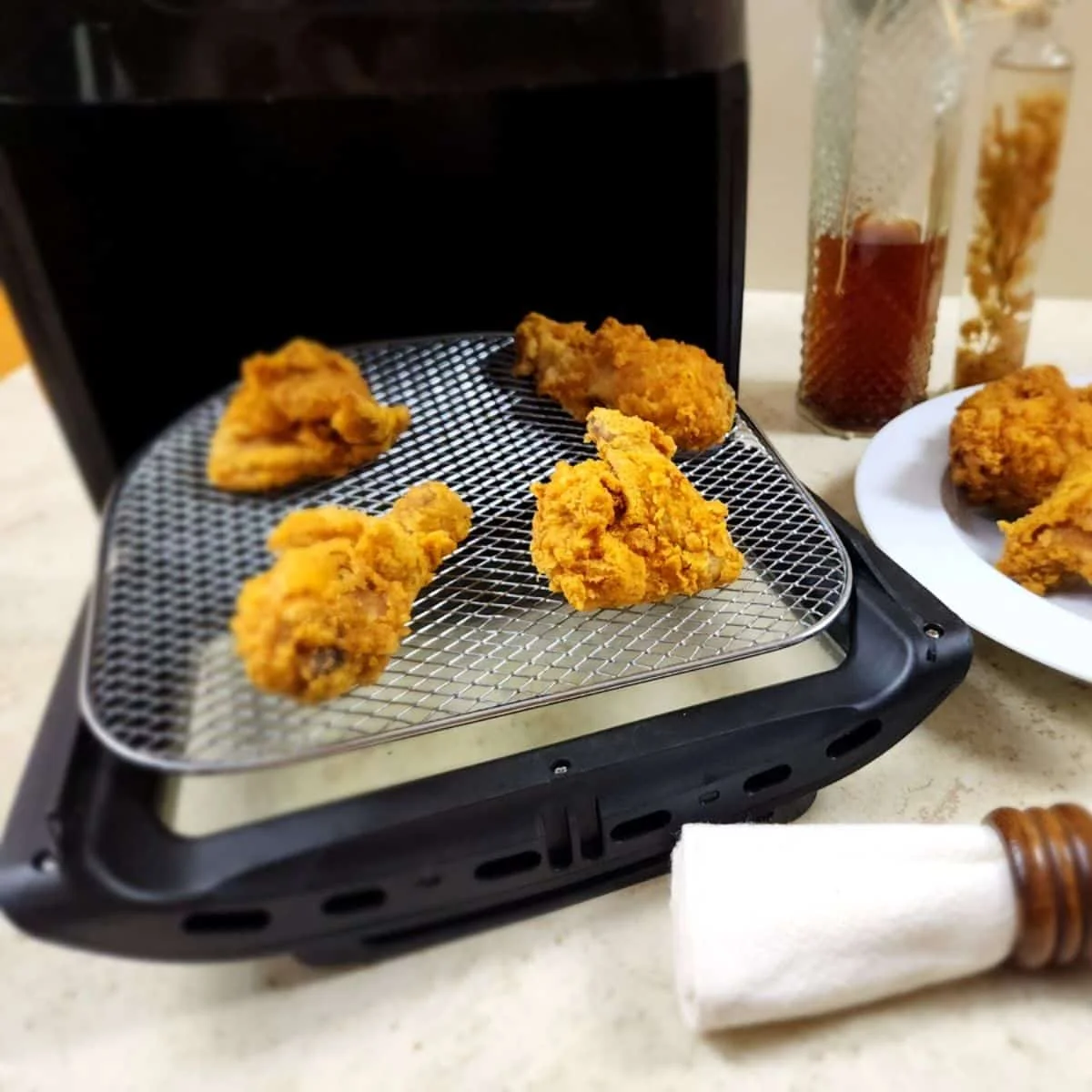
Reheating fried chicken requires preserving its signature crispiness, which often gets lost with conventional methods. Microwaves tend to make the coating soggy because of uneven heating and moisture buildup. Ovens can restore some crunch but usually take longer and risk drying out the meat. An air fryer excels by circulating hot air rapidly around the chicken, revitalizing the crust without overdrying the interior.
The Science Behind Air Frying Leftovers
Air fryers use convection technology to cook food with minimal oil. The high-speed air flow dries the surface, enhancing crispiness while retaining moisture inside. This technique is especially effective for fried chicken, where the breading needs to stay crunchy, and the meat should remain juicy. By circulating heat evenly, air fryers reheat leftovers to a near-fresh state, avoiding hot spots or uneven textures common in other methods.
Preparing Your Leftover Fried Chicken for Reheating
Proper Storage Tips to Preserve Flavor and Texture
Before reheating, how you store fried chicken significantly affects the final result. Keep the leftovers in an airtight container or wrap them tightly with foil to prevent moisture loss or absorption of fridge odors. Refrigerate the chicken promptly and consume within 3-4 days for optimal taste. Avoid stacking pieces too tightly to maintain the breading’s integrity.
Preheat and Setup: Getting Your Air Fryer Ready
Preheating the air fryer ensures even cooking from the start. Set it to the recommended temperature and let it run empty for a few minutes. Organize the chicken pieces in a single layer inside the basket, leaving some space around each piece to allow hot air to circulate freely. This setup is vital for achieving the crisp texture without sogginess.
Step-by-Step Guide to Reheating Fried Chicken in an Air Fryer
Recommended Temperature Settings
The ideal temperature for reheating fried chicken in an air fryer is between 350°F to 400°F (175°C to 200°C). This range balances quick crisping of the outer layer while gently warming the inside. Lower temperatures risk soggy coating, while higher heat might burn the breading before the inside is warmed through.
Optimal Cooking Times for Different Chicken Cuts
Cooking times vary based on the size and type of chicken pieces. Smaller cuts like wings typically require 5 to 7 minutes, while larger drumsticks or thighs might need 8 to 10 minutes. Thicker pieces benefit from slightly longer heating, but always monitor closely to avoid drying out. Thin or boneless pieces demand less time and should be checked earlier.
Flipping and Checking for Doneness
Halfway through the reheating process, flip the chicken pieces to ensure even crisping on all sides. Use a food thermometer to check the internal temperature, aiming for 165°F (74°C) to guarantee safe consumption. Begin inspecting doneness around the 5-minute mark, adjusting the time based on the chicken’s size and initial temperature.
Enhancing Crispiness: Additional Tips and Tricks
Using Oil Sprays and Seasonings Before Reheating
A light spray of olive oil can dramatically enhance the crispiness and add moisture back to the crust. This step also promotes even browning and improves the overall mouthfeel. If desired, apply seasonings like garlic powder, paprika, or black pepper before reheating for an extra flavor boost without overwhelming the original taste.
How to Re-crisp Extra Battered or Breaded Pieces
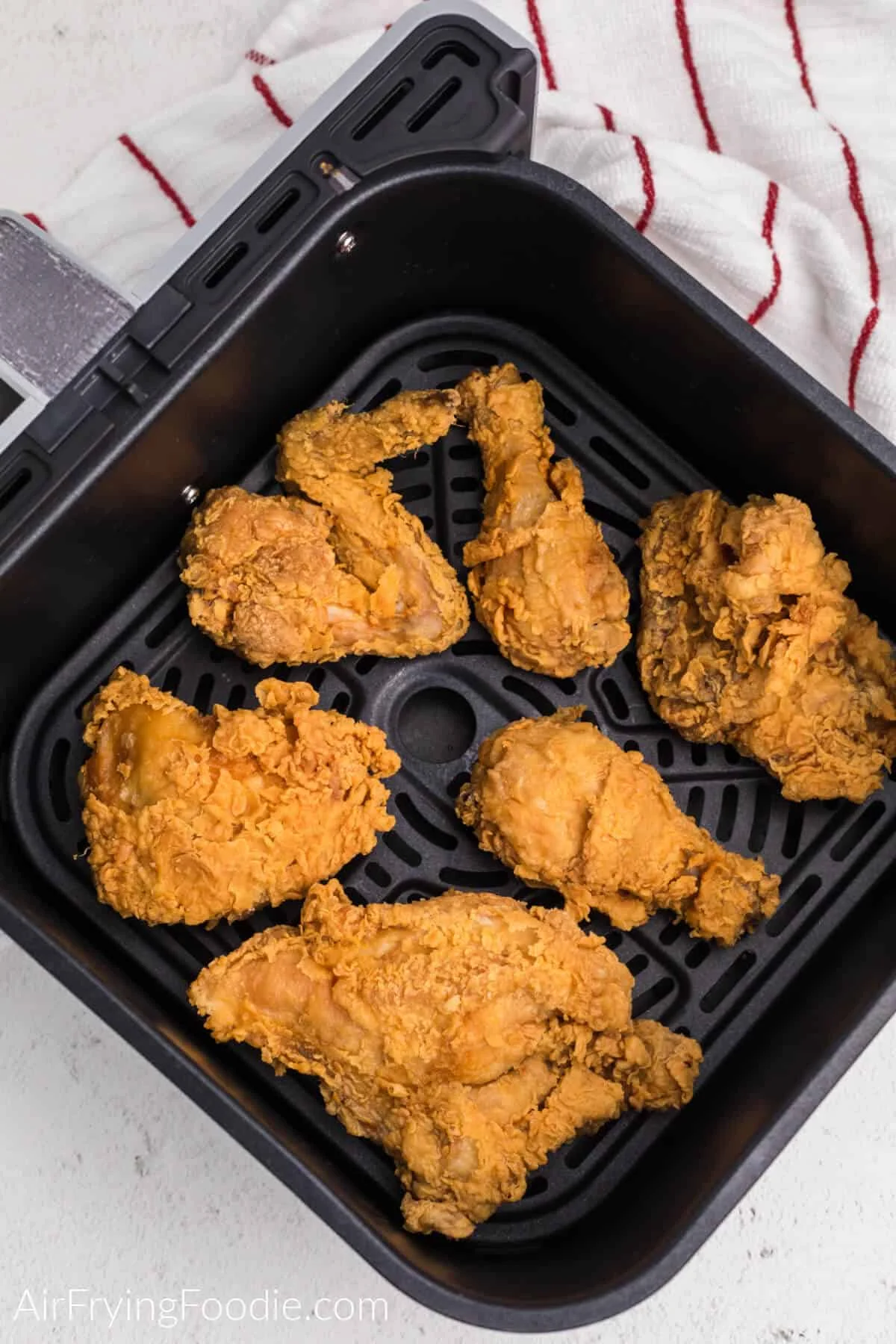
Heavily breaded chicken may retain some moisture, making reheating tricky. To counter this, extend the cooking time slightly while maintaining moderate heat to dry the crust thoroughly. Avoid covering the basket to let steam escape, which prevents sogginess. For added crunch, consider flipping more frequently, but be gentle to keep the coating intact.
Common Mistakes to Avoid When Reheating Fried Chicken
Overcrowding the Basket
Placing too many pieces in the air fryer basket at once can block airflow, resulting in uneven heating and loss of crispiness. Cook in small batches if necessary, allowing hot air to circulate freely around each piece. Overcrowding is the most common reason for soggy or underheated chicken during reheating.
Reheating Frozen vs. Thawed Chicken
Reheating frozen fried chicken directly in the air fryer can lead to uneven results. It’s best to thaw the chicken completely in the refrigerator before reheating. Thawed chicken heats faster and crisps more evenly, preventing burnt exteriors and cold centers. If pressed for time, increase reheating time carefully and check internal temperature repeatedly.
Alternatives: Other Methods to Reheat Fried Chicken
Comparing Air Fryers to Traditional Ovens and Skillets
Traditional ovens offer a simple reheating method but often require 10-15 minutes and risk drying out the chicken. Skillets can re-crisp the skin but may add extra oil and cause uneven heating. Air fryers combine the benefits of both by reheating quickly with minimal oil and producing a consistent crispy texture with less mess.
When Not to Use an Air Fryer for Leftovers
Avoid using air fryers if the fried chicken is heavily sauced, such as with BBQ or buffalo sauces, as the moisture can prevent crisping and create a mess inside the appliance. In such cases, reheating gently in an oven or microwave may better preserve the flavor and texture without sacrificing quality.
Conclusion: Bringing Leftover Fried Chicken Back to Life
Reheating fried chicken in an air fryer is an excellent way to restore its original crispiness and juiciness, making leftovers enjoyable again. Proper preparation, careful monitoring of time and temperature, and simple enhancements like a light oil spray can elevate the final result. Avoid overcrowding and prefer thawed chicken for best outcomes. With these tips, your leftover fried chicken will taste nearly as good as fresh.


