

Introduction to Air Fryer Chicken Cooking Challenges
Cooking chicken in an air fryer can be a convenient and healthier alternative to traditional frying, but it is not without its challenges. While the appliance promises crispy, juicy results with less oil, many home cooks encounter issues such as uneven cooking, soggy skin, or dry meat. Understanding these common problems is essential for achieving perfectly cooked chicken every time. This article explores the typical hurdles faced when air frying chicken and offers practical solutions to help you overcome them.
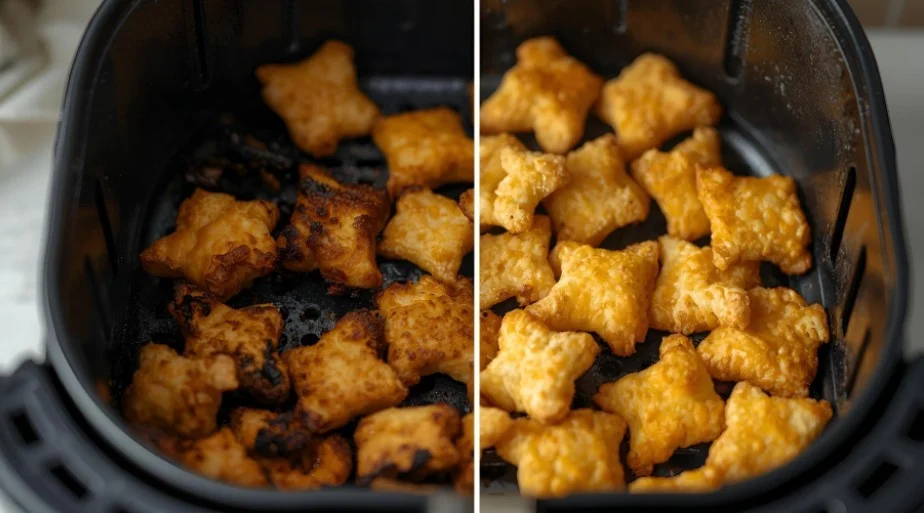
Top Common Problems When Cooking Chicken in an Air Fryer
Uneven Cooking and Cold Spots
One of the most frequent complaints is chicken that cooks unevenly, resulting in some parts being overdone while others remain undercooked. This issue often arises due to overcrowding in the basket, which restricts proper air circulation. Additionally, some air fryer models may have inconsistent heat distribution, creating cold spots that leave certain areas less cooked. Uneven cooking not only spoils the texture but can pose food safety risks if parts of the chicken do not reach the necessary internal temperature of 165°F.
Dry or Overcooked Chicken
Dry chicken is another common problem that can occur when the cooking temperature is too high or the chicken is left in the air fryer too long. Air fryers cook quickly, so timing is crucial. Overcooking removes the natural moisture from the chicken, leaving it tough and unappetizing. This issue often happens when cooks rely solely on preset times without checking the internal temperature or adjusting based on the size and cut of the chicken.
Soggy or Undercooked Skin
Many expect air fryer chicken to have crispy skin, but it sometimes ends up soggy or rubbery instead. This problem typically stems from insufficient drying of the chicken before cooking or an inadequate spray of oil to promote browning. Without a proper crust or crisp exterior, the chicken can feel greasy or pale. Undercooked skin may also result from cooking at too low a temperature or not flipping the chicken halfway through.
Sticking to the Air Fryer Basket
Chicken sticking to the air fryer basket creates frustration and can damage the coating or skin. This problem often occurs when the basket is not properly greased or when the breading is too wet or delicate. Sticking may also result from residue buildup on the basket from previous cooking sessions, which reduces its non-stick properties. Without taking care to prevent adhesion, removing the chicken cleanly becomes difficult, impacting presentation and taste.
Unpleasant Odors and Smoke
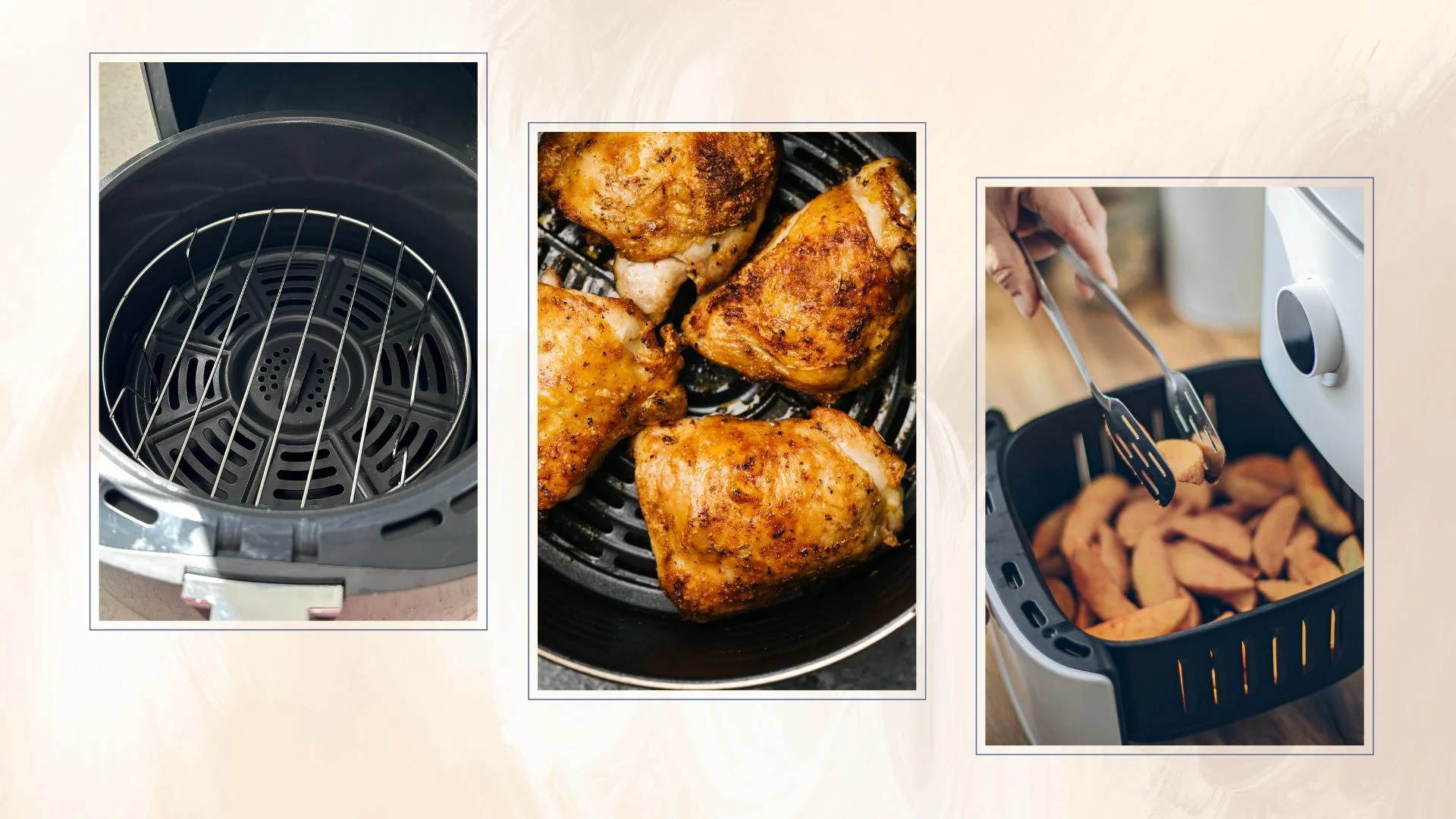
Sometimes air fryer chicken produces unwanted smells or even smoke during cooking. This usually happens when fat drips onto heating elements or when food particles accumulate in the appliance. Excess oil or seasoning residues can also burn and create a smoky environment. Unpleasant odors can make the cooking experience less enjoyable and may indicate the need for better appliance maintenance or adjusted cooking methods.
Essential Troubleshooting Tips and Techniques
Proper Preparation of Chicken Before Air Frying
Preparation is key to avoiding many air fryer chicken issues. Start with fresh and high-quality chicken, such as Springer Mountain Farms Simply Superior Chicken™, which ensures better flavor and texture. For breaded chicken, using a three-step breading technique of flour, egg wash, and breadcrumbs or panko helps create a durable crust. Allow the breaded chicken to rest for 10 to 15 minutes before cooking so the coating sets properly. For naked chicken, patting the pieces dry removes excess moisture that can prevent skin crisping, and seasoning generously enhances taste.
Adjusting Temperature and Cooking Times
The right temperature and cooking time vary depending on the chicken cut and whether it is breaded or not. Typically, cooking at 375 to 400°F produces optimal results. It is important to flip the chicken halfway through the cooking process to promote even browning and thorough cooking. Checking the internal temperature with a meat thermometer ensures the chicken reaches the safe 165°F mark without drying out. Starting with manufacturer recommendations and adjusting based on your experience can prevent overcooking or undercooking.
Using Oil and Seasonings Correctly
Applying oil to chicken before air frying encourages a crispy, golden crust by assisting in heat conduction and moisture evaporation. For breaded chicken, lightly spraying the coating with oil promotes even browning. Naked chicken benefits from a small amount of oil rubbed into the skin to help achieve crispiness. Equally important is the use of appropriate seasonings, which contribute to the overall flavor profile without overpowering the natural taste of the chicken. Balancing oil and spices helps improve texture and aroma.
Best Practices for Air Fryer Basket Arrangement
Proper placement of chicken pieces in the basket prevents many cooking problems. Avoid overcrowding to allow enough space for hot air to circulate freely around each piece. This not only promotes even cooking but also helps maintain crispness. Arrange pieces with the thicker parts facing outward if possible to balance heat exposure. Periodically shaking or flipping the chicken midway through cooking fosters consistent results. Thoughtful basket arrangement is a simple yet effective way to improve air fryer performance.
Maintenance and Cleaning to Prevent Issues
How Regular Cleaning Improves Cooking Results
Accumulated grease, crumbs, and residues inside the air fryer can impact its efficiency and contribute to sticky baskets, unpleasant odors, and even smoke during use. Regular cleaning after each use ensures that the appliance operates at its best and prolongs its lifespan. Wiping down heating elements, removing and washing the basket, and clearing trapped food particles reduce the chances of off-flavors and burning. Good maintenance practices translate directly to better tasting, smell-free air fryer chicken.
Checking and Replacing Air Fryer Components
Over time, air fryer parts may degrade and affect cooking quality. For instance, a worn-out non-stick coating can cause sticking, and faulty heating elements lead to uneven temperature distribution. Periodically inspect components such as the basket, tray, and heating elements for signs of damage or wear. Replacing defective parts or consulting the manufacturer’s guidelines helps maintain consistent cooking performance and safety standards, minimizing common chicken air frying challenges.
Expert Advice: Enhancing Air Fryer Chicken Recipes
Marinades and Brining for Juicy Chicken
Marinating or brining chicken before air frying infuses moisture and flavor deep into the meat, significantly improving juiciness. A simple brine of salt and water or a marinade with herbs, spices, and acids can be tailored to taste preferences. These techniques help prevent dryness and add complexity to the final dish. Timing is important—allow enough time for the chicken to soak up the marinade or brine but avoid overly long durations that might negatively affect texture.
Layering Flavors with Spices and Coatings
Building flavor layers through thoughtful seasoning and coatings elevates air fryer chicken from basic to extraordinary. Combining spice blends with quality breading or a light oil coating intensifies taste and aroma while encouraging crispness. Experimenting with different herbs, smoked paprika, garlic powder, or lemon zest can add dimension without complicating preparation. Well-balanced seasoning enhances the overall eating experience and complements the natural qualities of the chicken.


