

Why Choose High-Protein Salads for Weight Loss?
The Role of Protein in Satiety and Metabolism
When aiming to lose weight, feeling full and satisfied after a meal is crucial to avoid unnecessary snacking and overeating. Protein plays a significant role in creating that sense of fullness, also known as satiety. Unlike carbohydrates and fats, protein takes longer to digest, which means it stays in your stomach longer and signals to your brain that you are satiated. Additionally, consuming protein can boost your metabolism slightly because it requires more energy for your body to process, a phenomenon called the thermic effect of food. This combination of increased fullness and metabolic boost makes protein an essential nutrient in any weight loss meal plan.
Benefits Over Traditional Low-Calorie Salads
Traditional low-calorie salads often focus on vegetables and leafy greens, which are excellent sources of fiber and vitamins but may lack the protein content needed to keep you full. As a result, these salads might leave you feeling hungry shortly after eating, which can lead to binge eating or frequent snacking on less healthy foods. High-protein salads, on the other hand, balance nutrient density with satiety. They not only provide vitamins and minerals but also supply enough protein to sustain energy levels, control hunger, and support muscle maintenance during weight loss. This makes high-protein salads a more effective and sustainable option for those seeking fat loss without sacrificing satisfaction.
Top Protein Sources to Add to Your Salad
Animal-Based Options: Lean Meats and Eggs
When incorporating protein into salads, lean animal-based sources offer complete protein with all essential amino acids. Grilled chicken breast, turkey, and lean cuts of beef are popular choices that offer high protein with relatively low fat content. Eggs, particularly hard-boiled, are a versatile and convenient addition rich in protein as well as vital nutrients like choline and vitamin D. Including these options ensures your salad is filling and supports muscle repair and recovery, which is especially important if you integrate exercise into your weight loss regimen.
Plant-Based Proteins: Beans, Lentils, and Seeds
Plant-based protein options provide excellent alternatives for vegetarians or anyone looking to diversify their nutrient intake. Beans and lentils are rich in protein and fiber, which works synergistically to prolong fullness and improve digestion. Seeds such as chia, pumpkin, and hemp not only add a protein boost but also supply healthy fats and minerals like magnesium and zinc. Integrating these ingredients into your salads can help meet your protein goals while providing a satisfying texture and flavor depth that make meals more enjoyable.
Dairy and Alternatives: Cheese and Greek Yogurt
Dairy products and their alternatives offer concentrated protein along with calcium and probiotics. Greek yogurt, for example, is notably higher in protein than regular yogurt and can be used as a creamy salad dressing base or a topping. Cheese varieties like feta, parmesan, or cottage cheese can enhance both the protein content and taste complexity of a salad. For those who avoid dairy, plant-based yogurts fortified with protein or nut-based cheeses can serve as effective substitutes, ensuring variety without compromising on nutritional value.
Creative High-Protein Salad Recipes
Mediterranean Chickpea and Feta Salad
This salad combines protein-packed chickpeas with the briny tang of feta cheese, fresh cucumbers, tomatoes, and red onion. Chickpeas bring a hearty dose of plant-based protein and fiber, while feta adds creaminess and additional protein. Tossed with olive oil, lemon juice, and herbs like oregano and parsley, this salad embodies flavor balance. It’s an ideal choice for a light yet filling meal that keeps hunger at bay thanks to its protein and fiber content.
Grilled Chicken and Quinoa Power Bowl
Quinoa’s status as a complete plant protein makes it a perfect grain for high-protein salads. Paired with grilled chicken breast, this salad becomes a powerhouse meal. Include colorful vegetables like bell peppers, spinach, and cherry tomatoes to enhance nutrient density. A simple vinaigrette made with olive oil and apple cider vinegar ties the ingredients together. This bowl is especially excellent after workouts as it replenishes energy, supports muscle recovery, and helps you stay full for hours.
Tofu and Edamame Rainbow Salad
This vibrant salad features tofu and edamame, both rich sources of plant-based protein. The tofu can be marinated and lightly pan-fried for texture, while edamame adds a pleasant crunch. Incorporate shredded carrots, purple cabbage, and mixed greens to create a colorful, nutrient-rich base. A tangy sesame dressing enhances the flavors and adds healthy fats. The combination of protein, fiber, and fats in this salad ensures sustained energy and satisfaction throughout the day.
Tips to Maximize Fullness and Flavor
Incorporating Healthy Fats and Fiber
Adding healthy fats, such as those from avocados, nuts, and seeds, helps increase satiety by slowing digestion even further and enhancing the absorption of fat-soluble vitamins. Fiber-rich vegetables and whole grains contribute to the feeling of fullness by adding bulk to your meal. Together, these components create a synergistic effect, making your salad both delicious and fulfilling. By balancing protein, fats, and fiber, you encourage stable blood sugar levels and avoid the spikes and crashes that lead to cravings.
Dressings That Boost Nutritional Value
Choosing or making dressings that complement the salad’s nutritional profile can elevate your meal. Opt for homemade dressings using olive oil, lemon juice, vinegar, and herbs rather than store-bought versions that often contain added sugars and unhealthy fats. Incorporating ingredients like mustard, garlic, or yogurt can add depth of flavor while also delivering antioxidants and probiotics. A nutrient-rich dressing not only improves taste but also enhances the overall health benefits of your salad.
Meal Prep Strategies for Busy Lifestyles
Batch Cooking Proteins in Advance
Saving time during a busy week is easier when you prepare proteins in large batches ahead of time. Cooking chicken breasts, boiling eggs, or roasting tofu in one go allows you to quickly add them to salads throughout the week. Properly storing these cooked proteins in airtight containers ensures freshness and convenience. This strategy reduces mealtime decision fatigue and helps maintain adherence to your weight loss plan by having high-protein options readily available.
Assembling Build-Your-Own Salad Kits
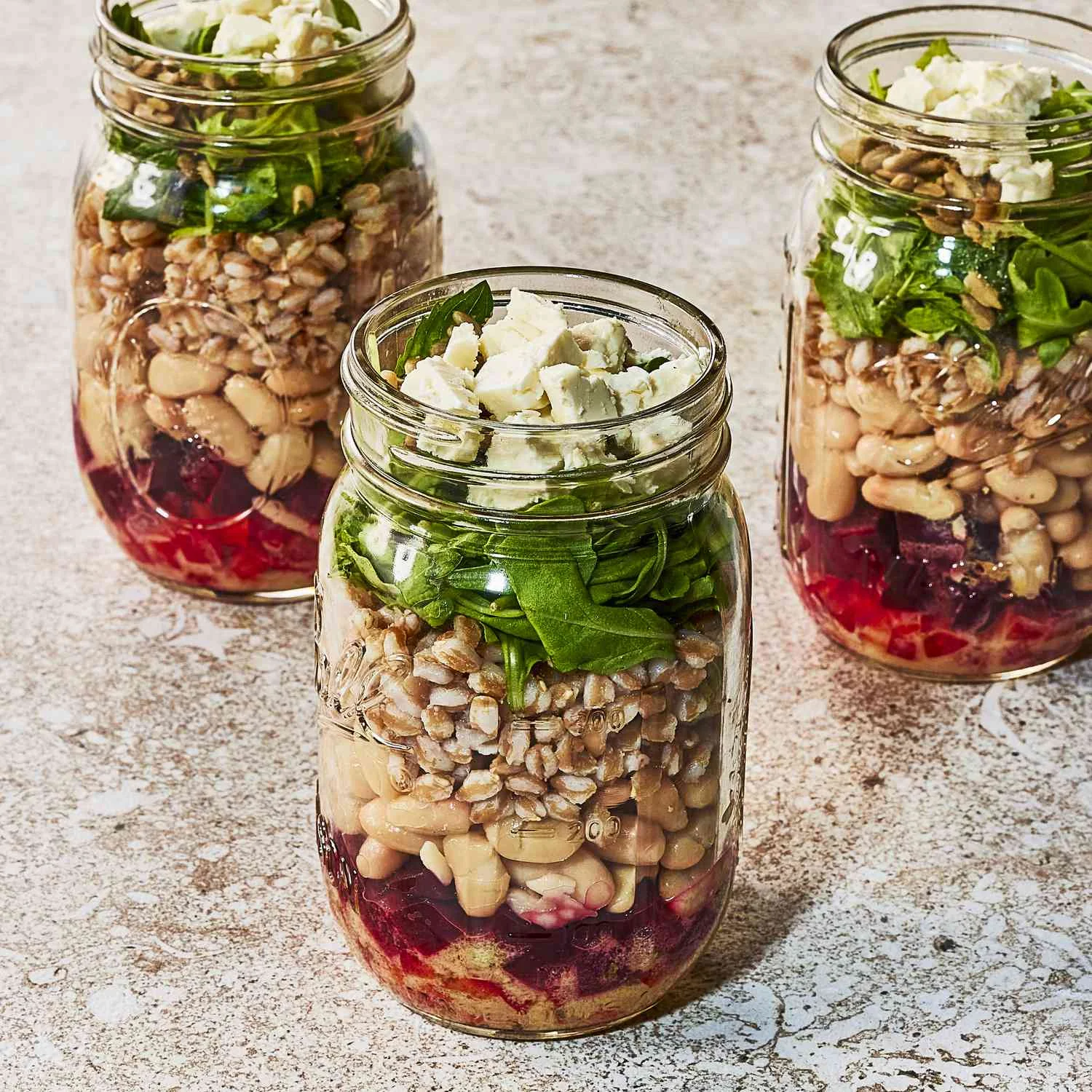
Creating salad kits can simplify lunch or dinner preparation. Pre-chop vegetables and portion out proteins, grains, and dressings into separate containers. When mealtime arrives, you can mix and match ingredients to keep meals interesting and varied. This flexibility prevents monotony and encourages consistent consumption of nutrient-dense, high-protein salads. By organizing components in advance, you maintain control over portion sizes and ingredients, supporting your weight loss and nutrition goals effectively.


