

Understanding the Importance of Protein in Your Salad
Why Protein Matters for Balanced Nutrition
Picture sitting down to a crisp, vibrant salad that looks as appealing as it tastes. Yet, after eating, you find yourself hungry within an hour. This common scenario often happens because many salads, while rich in vitamins and fiber, lack sufficient protein. Protein is crucial for building and repairing tissues, supporting immune function, and maintaining muscle mass. Without it, your salad might be missing the key element to make it a balanced and satisfying meal.
A classic example is the typical garden salad, loaded with lettuce, tomatoes, and cucumbers. While refreshing, its low protein content means your body quickly processes the carbs and fiber, leading to a fast return of hunger. Including adequate protein transforms your salad from a light side dish into a complete meal that fuels your body properly.
Common Nutritional Gaps in Classic Salads
Many traditional salads focus heavily on vegetables but overlook the macronutrient balance necessary for sustained energy. It’s not uncommon for these salads to fall short in protein, healthy fats, and even complex carbohydrates. Without protein, your body struggles to stay full and satisfied, and you miss out on vital amino acids.
Consider the classic Caesar salad—often packed with romaine and dressing but without enough protein unless enriched with chicken or other additions. Similarly, a simple Greek salad might provide antioxidants from olives and veggies but lacks sufficient protein if it doesn’t include legumes or cheese. Recognizing these gaps helps you plan for nutrient-rich meals that support overall health and wellness.
Top Protein Sources to Elevate Classic Salads
Animal-Based Proteins: Lean and Flavorful Options
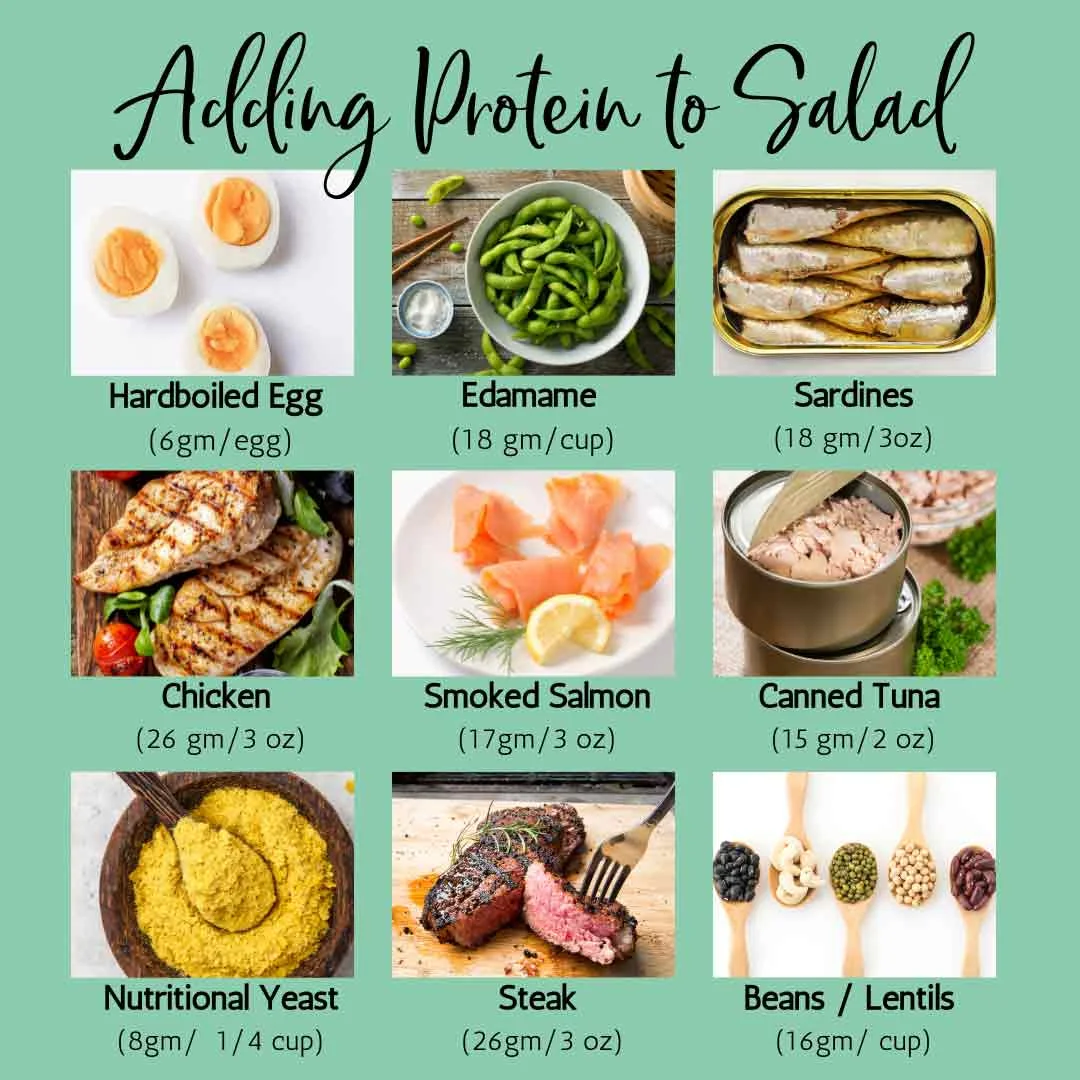
When Jason, an office worker aiming to eat healthier, added grilled chicken breast to his lunch salad, he noticed a significant difference in his afternoon energy levels. Animal proteins such as chicken, turkey, lean beef, and seafood are excellent sources of complete proteins—they contain all essential amino acids your body needs. Including these in your salad boosts satiety and adds a satisfying texture.
For instance, shrimp grilled with a squeeze of lemon can brighten a simple spinach salad, or slices of turkey breast make a hearty addition to a classic Cobb salad. These proteins are also rich in B vitamins and minerals like iron and zinc, further enhancing your meal’s nutritional value.
Plant-Based Proteins: Nutritious and Sustainable Choices
Plant-based proteins not only support your nutritional goals but also align with sustainable eating practices. Sarah, a vegetarian, routinely includes chickpeas, quinoa, and nuts in her salads to ensure adequate protein intake. Legumes like lentils and beans add both protein and fiber, helping to control blood sugar and improve digestion.
Nuts and seeds contribute healthy fats alongside protein, offering a crunchy contrast that enlivens texture. Tofu or tempeh, marinated and seared, bring a savory depth to green salads. These options are particularly valuable for those reducing meat consumption without wanting to sacrifice nutrition.
Step-by-Step Guide to Adding Protein to Your Salad
Selecting the Right Protein Based on Salad Type
Choosing a protein that complements your salad’s existing flavors can elevate the dish dramatically. For example, a Caesar salad’s creamy dressing pairs well with grilled chicken or crispy bacon, while a Mediterranean salad finds harmony with feta cheese and chickpeas. Think about the salad’s base ingredients and select proteins that enhance rather than clash.
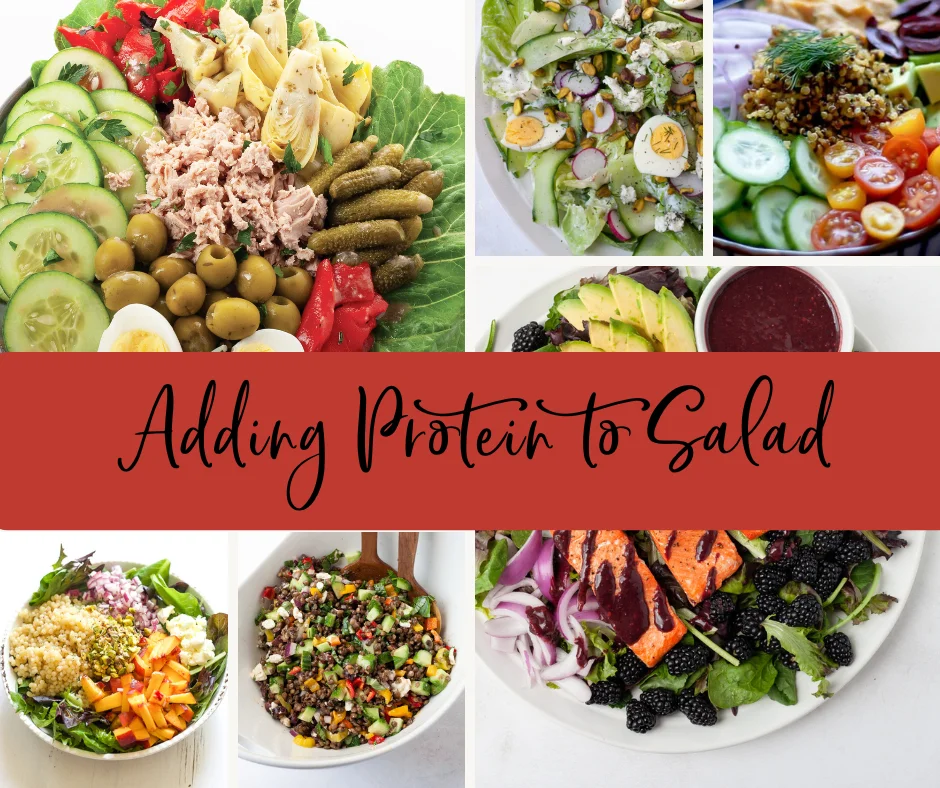
Incorporating smoked salmon into an avocado and mixed greens salad introduces a rich flavor without overpowering the freshness. When crafting salads for multiple people, consider offering a variety of protein options on the side to accommodate different tastes and dietary needs.
Incorporating Protein Without Overpowering Flavors
Balancing texture and taste is key when adding protein. For instance, adding too much strong-flavored cheese can mask the salad’s delicate vegetables, while bland proteins risk making the salad unappetizing. Lightly seasoning proteins or using marinade techniques can add flavor depth without overwhelming your greens.
When adding nuts or seeds, lightly toasting them intensifies their flavor and adds crunch without altering the salad’s core taste. Incorporating cubed tofu marinated in soy and ginger introduces an umami boost, fitting well with Asian-inspired salad creations.
Creative Dressing Pairings to Complement Added Protein
Dressing plays a pivotal role in unifying your salad ingredients. Rich dressings like Caesar or blue cheese work beautifully with bold proteins like chicken or steak, while lighter vinaigrettes suit delicate seafood and plant-based proteins. A lemon-tahini dressing pairs wonderfully with chickpeas and arugula, adding creaminess without heaviness.
Don’t be afraid to experiment with herbs and spices in your dressings to highlight the protein. Fresh dill enhances salmon salads, while cumin and coriander shine with bean-based salads. The right dressing can transform your protein-enriched salad into a harmonious, flavorful meal.
Popular Classic Salad Recipes with Protein Enhancements
Caesar Salad with Grilled Chicken
The classic Caesar salad often feels light until you add grilled chicken. Mark, an active father of two, discovered that adding sliced chicken breast not only satisfied his appetite but also provided the energy needed for his evening workouts. The grilled chicken offers a smoky, savory counterpoint to the crisp romaine, crunchy croutons, and tangy dressing, creating a balanced and filling dish.
This combination packs protein and flavor, making Caesar salad an ideal lunch or light dinner option when protein is included thoughtfully.
Greek Salad with Chickpeas and Feta
Maria, a college student managing a tight budget and a demanding schedule, found that adding chickpeas and feta cheese to her Greek salad turned it into a nutrient-packed meal. The creamy feta complements the firm chickpeas, while olives and cucumbers add freshness. This protein boost keeps her full through long study sessions while providing essential nutrients.
This twist on the traditional Greek salad blends plant and dairy proteins for a tasty, balanced option that’s quick to assemble and easy to customize.
Garden Salad Boosted with Hard-Boiled Eggs and Nuts
For a simple yet satisfying protein addition, hard-boiled eggs and nuts are perfect. Laura, a busy marketing executive, prepares garden salads with mixed greens, cherry tomatoes, and avocado, topping them with sliced eggs and a handful of walnuts or almonds. The eggs add smooth creaminess and protein, while the nuts introduce crunch and healthy fats.
This combination creates a well-rounded salad that supports sustained energy levels throughout her hectic workday.
Tips for Meal Prep: Protein-Enriched Salads for Busy Days
Batch Cooking Protein to Save Time
One of the biggest challenges in maintaining a protein-rich salad routine is time. To address this, Jason batches cooks chicken breasts and hard-boils eggs on Sundays, storing them in the fridge for easy salad assembly during the week. This approach reduces daily prep time and encourages healthy choices even on busy days.
Plant-based proteins like roasted chickpeas or baked tofu can also be prepared in advance, making quick meal preparation hassle-free and nutritious.
Storage and Freshness Considerations
Keeping protein-rich salads fresh can be tricky. It’s best to store salad greens separately from protein and dressings until you’re ready to eat. For example, Maria keeps cooked chickpeas and feta in one container and mixed greens in another, combining them just before meals to prevent sogginess.
Using airtight containers helps maintain freshness and prevents cross-contamination of flavors. Additionally, adding nuts or seeds right before eating preserves their crunch and maximizes enjoyment.
Ultimately, adding protein to classic salads is about balance, creativity, and practicality. Whether through lean meats, legumes, or eggs, enhancing your salads with protein not only boosts nutrition but also turns simple dishes into satisfying meals.


