

Why High-Protein Salads Are Ideal for Meal Prep
The Role of Protein in Satiety
Protein plays a crucial role in helping you feel full and satisfied after meals. Unlike simple carbohydrates, protein digests more slowly, which stabilizes blood sugar levels and prevents sudden hunger pangs. Including high-protein ingredients in salads is especially beneficial for those who need sustained energy throughout the day.
Benefits of Meal Prepping Salads
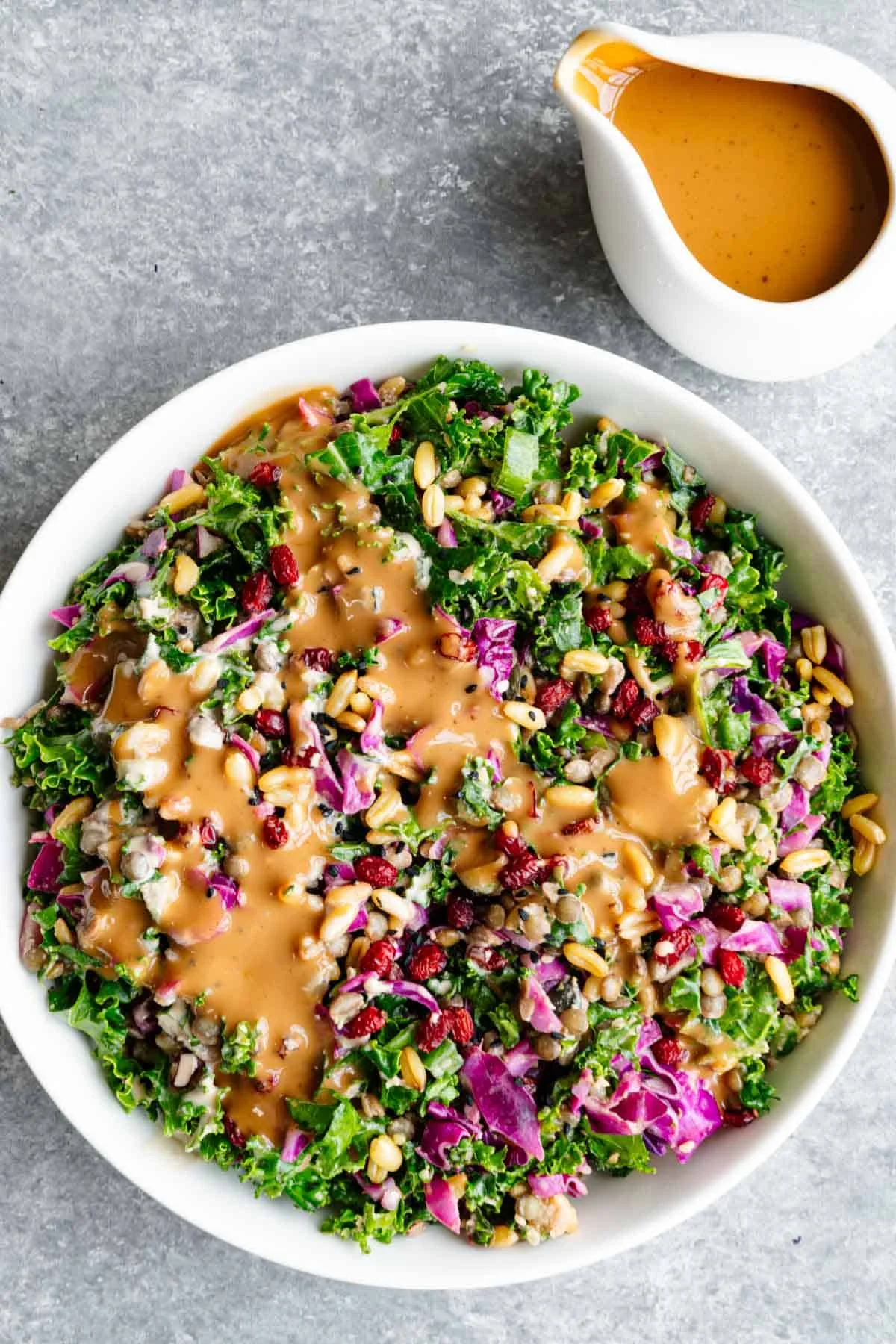
Meal prepping salads saves time and reduces stress during busy weekdays. Preparing ingredients in advance allows you to enjoy nutritious meals without daily effort. When salads are packed with protein, they become a convenient, balanced option that supports muscle maintenance and overall health. Additionally, prepped salads encourage mindful eating and can aid in weight management.
Top High-Protein Ingredients to Include
Animal-Based Proteins
Chicken breast, turkey, lean beef, and seafood like tuna or salmon are excellent sources of complete protein. These animal-based proteins contain all essential amino acids, making them highly efficient for muscle repair and growth. Including these proteins in salads boosts satiety and adds rich flavor.
Plant-Based Proteins
For those looking for vegetarian or vegan options, legumes such as chickpeas, lentils, and black beans provide ample protein as well as fiber. Tofu and tempeh are versatile soy-based alternatives that absorb salad dressings well. Combining various plant proteins can also create a complete amino acid profile.
Adding Crunch and Nutrients: Seeds and Nuts
Seeds like pumpkin, chia, and hemp add a subtle crunch while increasing protein content. Nuts such as almonds and walnuts contribute healthy fats along with protein. These ingredients enhance both texture and nutritional value, making salads more enjoyable and filling.
5 Delicious High-Protein Salad Recipes for All-Day Fullness
Grilled Chicken and Quinoa Salad
This salad pairs tender grilled chicken with fluffy quinoa, a complete plant protein. Mixed greens, cherry tomatoes, and a light lemon vinaigrette balance the dish. Quinoa’s texture complements the chicken, making it a hearty yet refreshing meal.
Chickpea and Tuna Mediterranean Salad
Combining chickpeas and tuna creates a protein-packed Mediterranean salad rich in flavor. Add cucumbers, olives, red onion, and parsley with a drizzle of olive oil and lemon juice. This salad is quick to assemble and perfect for meal prep with lasting fullness.
Egg and Avocado Spinach Salad
Hard-boiled eggs provide excellent protein, while creamy avocado adds healthy fats and a satisfying texture. Fresh spinach offers iron and antioxidants. Toss with a simple balsamic dressing for a nutrient-dense meal that keeps hunger away.
Edamame and Tofu Asian Salad
This Asian-inspired salad features shelled edamame and marinated tofu cubes for plant-based protein. Cabbage, carrots, and scallions add crunch. A sesame-ginger dressing complements the ingredients, making it flavorful and filling.
Steak and Black Bean Southwestern Salad
Juicy grilled steak combined with black beans creates a protein-rich southwestern salad. Add corn, avocado, and tomatoes for color and vitamins. A lime-cilantro dressing ties the flavors together, offering a satisfying and vibrant meal.
Tips for Keeping Your High-Protein Salads Fresh in Meal Prep
Storing and Packing Strategies
Proper storage is key to maintaining freshness. Use airtight containers and keep wet ingredients like dressings separate until just before eating. Layering heavier ingredients at the bottom and delicate greens on top prevents sogginess. Refrigerate promptly to ensure food safety.
Dressing Choices That Don’t Wilt Greens
Choose creamy or oil-based dressings over watery ones to keep greens crisp. Dressings with vinegar or citrus can help preserve texture but should be added sparingly in advance. Packing dressing separately is often the best choice for long-lasting freshness in meal prep salads.
Customizing High-Protein Salads for Your Dietary Needs
Adjusting Protein Sources for Vegetarian and Vegan Diets
Vegetarians can focus on eggs, dairy, legumes, and plant-based proteins like tofu and tempeh. Vegans rely on legumes, nuts, seeds, and soy products. Combining various plant proteins ensures all essential amino acids are covered. Tailoring the salad ingredients supports ethical choices without sacrificing nutrition.
Low-Carb and Keto-Friendly Protein Additions
For low-carb and keto diets, emphasize animal proteins such as steak, chicken, and eggs. Incorporate high-fat nuts and seeds for added energy. Avoid legumes and grains, substituting them with leafy greens, avocado, and cheese to maintain satiety while adhering to dietary restrictions.


