

Introduction to Meal Prepping Healthy Salads
Meal prepping healthy salads for the week is a popular way to maintain a nutritious diet while saving time. However, a common frustration is dealing with salads that wilt or lose their freshness quickly. This problem often discourages many from preparing salads ahead of time. Understanding why salads wilt and how to prevent this is crucial for anyone looking to enjoy crisp, fresh meals throughout the week. By mastering proper ingredient selection, storage, and preparation techniques, you can ensure your salads remain appetizing and satisfying day after day.
Essential Ingredients for Long-Lasting Salads
Choosing Fresh, Crisp Greens
The foundation of any salad is its greens, yet not all greens hold up well during storage. Wilting often results from delicate greens being exposed to moisture or inadequate storage. Opting for sturdier greens such as romaine, kale, or spinach can significantly extend salad freshness. These varieties have thicker leaves and more robust cell structures, which naturally resist wilting compared to more fragile greens like arugula or butter lettuce. Selecting greens that are vibrant and free from moisture or blemishes at the time of purchase is equally important to avoid premature spoilage.
Best Vegetables and Proteins for Meal Prep
Vegetables that are dense and less prone to releasing water during storage are ideal for meal prepping. Carrots, bell peppers, cucumbers (when properly dried), and cherry tomatoes hold their texture well and add crunch and nutrition. Proteins such as grilled chicken strips, boiled eggs, chickpeas, or firm tofu maintain their quality when stored separately and incorporated just before eating. Avoid vegetables that tend to become soggy quickly, like mushrooms or peeled tomatoes, as they accelerate wilting if mixed too early.
Dressings that Preserve Freshness
Salad dressings can be a major culprit in causing wilting if added too soon. Many dressings, especially those that are acidic or oil-based, start breaking down greens and vegetables once combined. Choosing dressings that can be stored separately or in jars with tight seals helps maintain the salad’s crispness. Additionally, vinaigrettes made with mustard or honey tend to cling better to vegetables without overwhelming them, reducing the risk of sogginess when added just before consumption.
Step-by-Step Guide to Preparing Your Salads
Washing and Drying Greens Properly
One of the leading causes of wilting is excess moisture left on greens after washing. Though it’s essential to wash greens to remove dirt and bacteria, allowing them to fully dry is equally critical. Using a salad spinner or laying the greens out on a clean towel to air dry thoroughly prevents water from sitting on leaves. Excess moisture creates an environment conducive to wilting and bacterial growth, which can shorten the salad’s life span.
Layering Techniques to Avoid Wilting
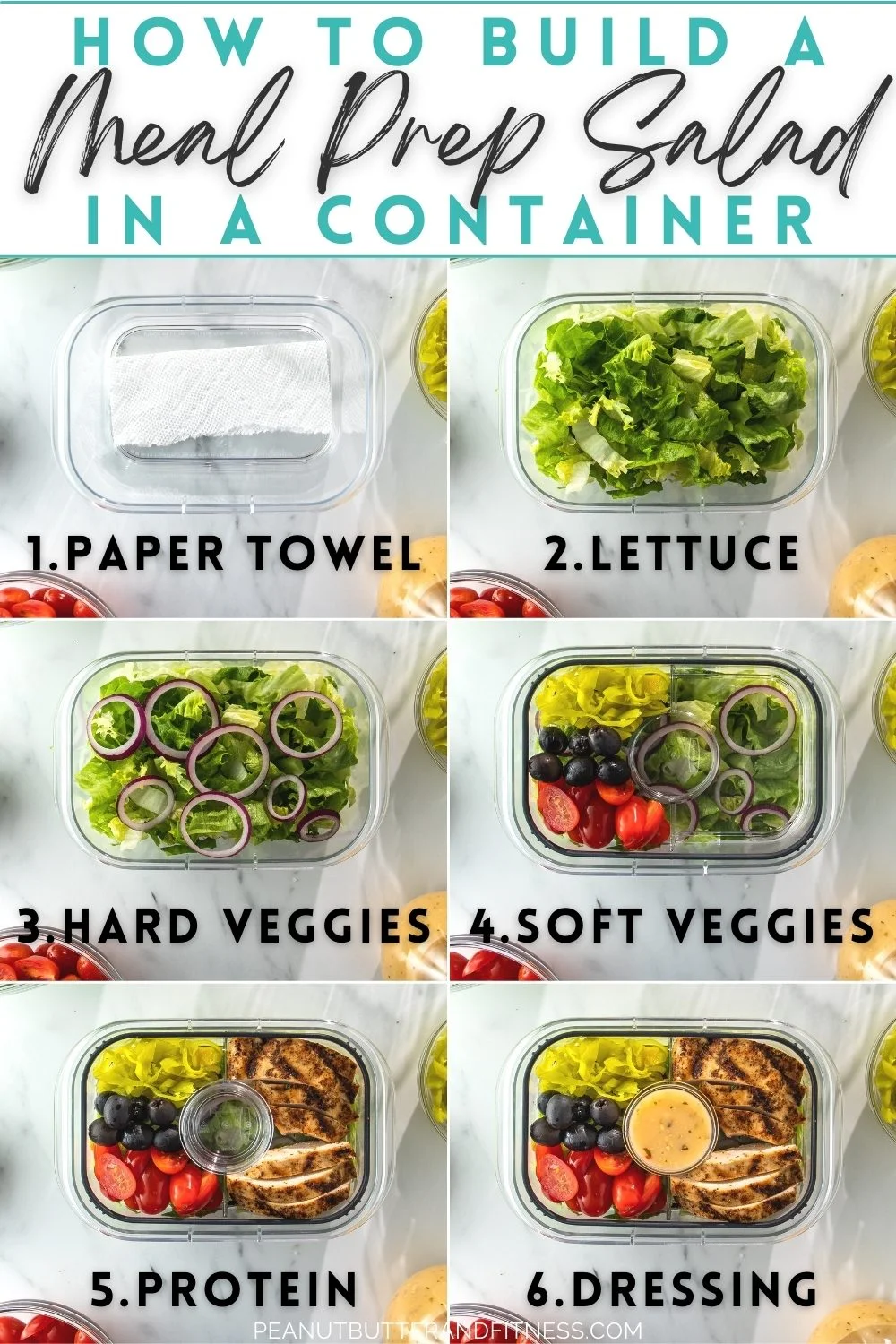
How you assemble your salad components plays a vital role in freshness preservation. Placing heavier or moisture-rich ingredients like tomatoes, cucumbers, or dressings at the bottom of a container creates an effective barrier keeping the greens on top dry. Layering greens above these wet items prevents direct contact with moisture and slowing the breakdown of leafy textures. Adding crunchy elements like nuts or seeds last keeps them from becoming soggy and maintains the overall texture balance.
Storing Salad Components Separately
One of the most effective ways to prevent wilting is to store salad ingredients separately and combine them just before eating. Separating greens, proteins, vegetables, and dressings ensures that no single component negatively affects the others. This method requires a bit more initial effort but pays off by preserving the taste and texture of each ingredient. Using small airtight containers or reusable silicone bags for each component is a smart approach to keep everything fresh and ready for quick assembly.
Top Tips and Tricks to Keep Salads Fresh
Optimal Storage Containers and Conditions
The type of container and storage environment significantly impacts salad longevity. Containers with tight-sealing lids minimize air exposure, which slows down oxidation and wilting. Glass containers are preferred because they do not absorb odors or stains and provide a better seal than some plastic options. Storing salads in the coldest part of the refrigerator, usually the back shelf, helps maintain a consistent temperature. Avoid placing salads in the fridge door, where frequent temperature changes occur.
When and How to Add Dressing
Adding dressing at the right time is critical to keeping salads fresh. Allowing dressings to sit on greens causes immediate wilting due to moisture and acidity. It’s best to keep dressings separate until just before eating. If that’s not possible, consider portioning the dressing in small containers to mix individually when ready, or use dressings that are less likely to damage greens quickly. Another strategy is to double the salad quantity and dress only half at a time, ensuring some salads stay crisp longer.
Sample Weekly Salad Meal Prep Plan
Breakfast, Lunch, and Dinner Salad Ideas
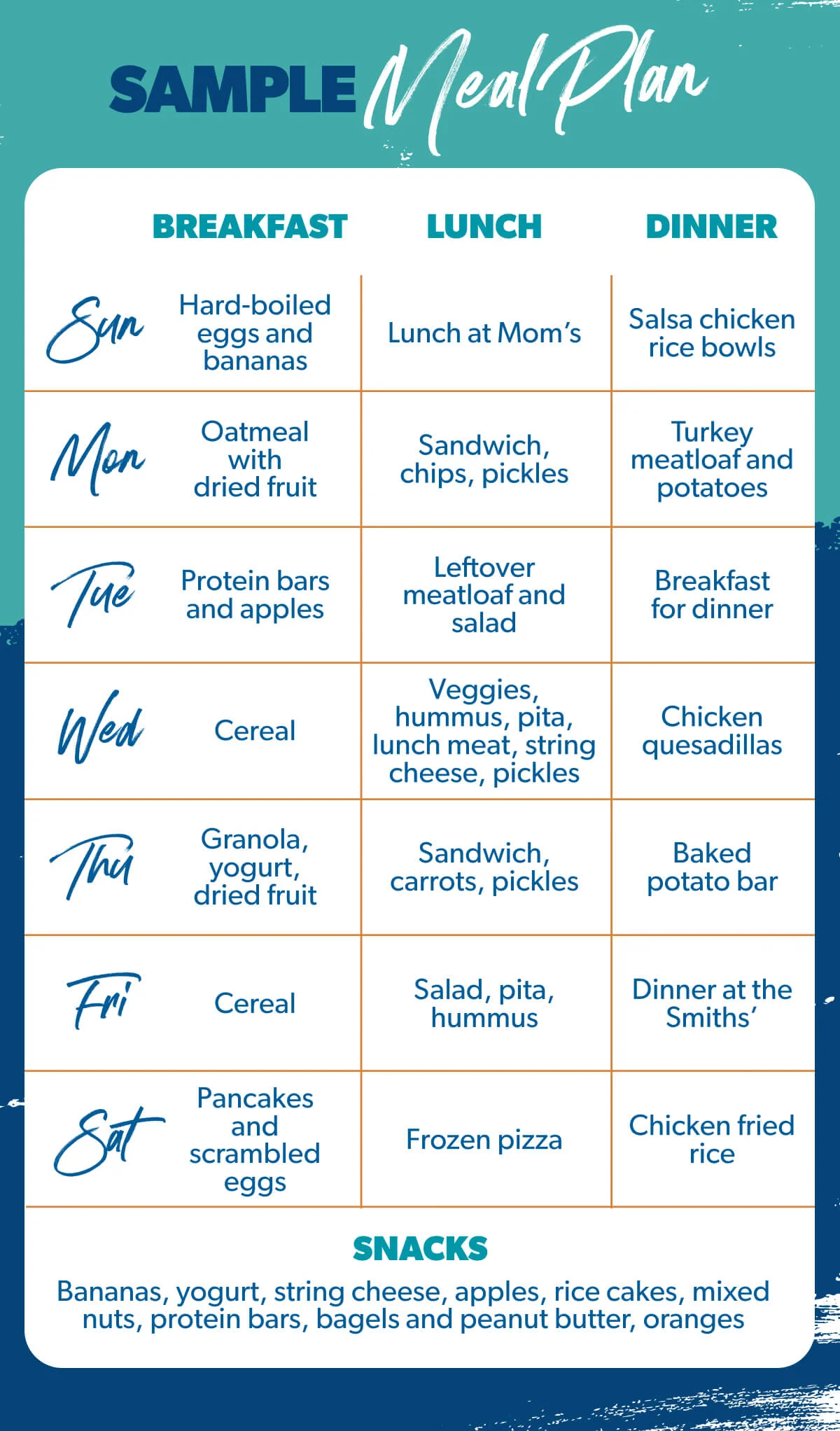
Planning a variety of salads that align with your daily meals can keep your menu exciting and balanced. For breakfast, consider salads featuring fresh greens, fruits like berries or apple slices, nuts, and a drizzle of citrus-based dressing for a refreshing start. Lunch salads can be more substantial, including proteins such as grilled chicken or beans, hearty vegetables, and a robust dressing. Dinner salads may focus on warmth and comfort with roasted vegetables or quinoa mixed with fresh greens, served with light dressings on the side. Rotating ingredients and flavors each day avoids monotony and encourages consistent healthy eating habits.
Balancing Nutrients Throughout the Week
While meal prepping salads, one challenge is ensuring a nutritionally balanced diet without repetition that might lead to ingredient waste or nutritional gaps. Incorporate a range of colors and textures by combining different vegetables, proteins, and healthy fats to cover a broad spectrum of vitamins and minerals. Tracking your weekly salad components ensures you’re not relying too heavily on one type of vegetable or protein and helps maintain a well-rounded diet. This approach supports sustained energy and satiety from your meals, addressing common concerns about salads being too light or unfulfilling.


