

Introduction to Eco-Friendly Cleaning Solutions
Creating homemade eco-friendly cleaning solutions using common kitchen ingredients has become increasingly popular in recent years. These natural cleaners offer an effective alternative to chemical-laden products, making them safer for your family, pets, and the environment. Plus, they often cost less and use items you already have on hand. In this article, we will explore the essential ingredients, step-by-step recipes, and practical tips to help you make and use your own natural cleaning solutions with confidence.
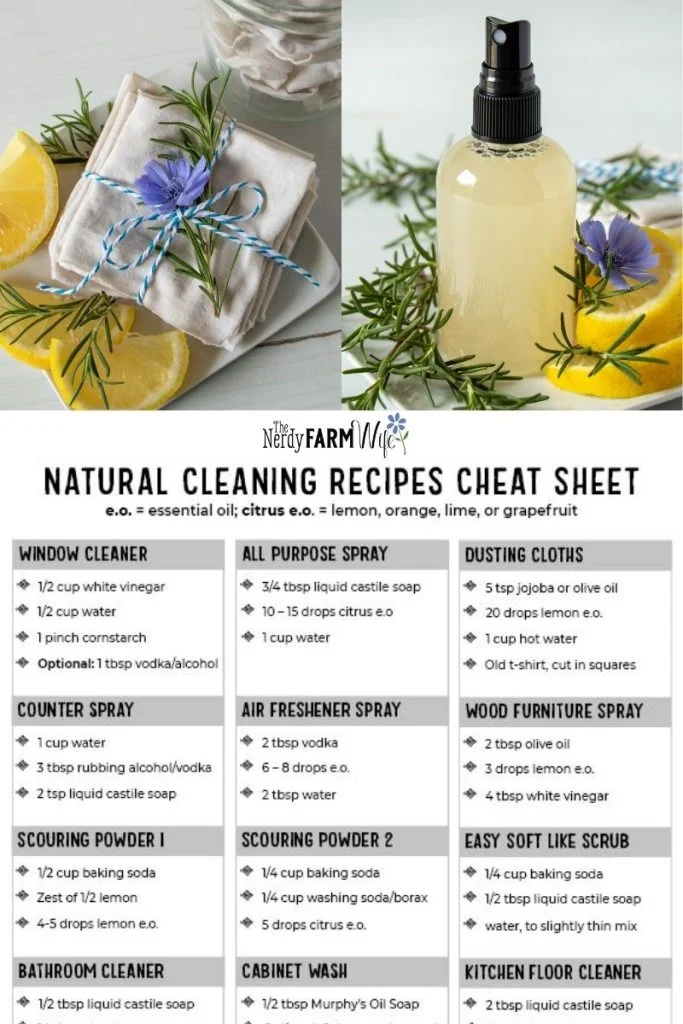
Essential Kitchen Ingredients for Homemade Cleaners
Vinegar: The Ultimate Disinfectant
White vinegar stands out as a powerhouse disinfectant in eco-friendly cleaning due to its acidic nature. It effectively dissolves mineral deposits, cuts grease, and eliminates bacteria on many surfaces. White vinegar is especially useful in kitchens and bathrooms, where cleanliness is paramount. However, it’s important to avoid using vinegar on delicate surfaces like marble or natural stone, as its acidity can cause etching and damage. Testing vinegar-based cleaners on a small area first can prevent unwanted effects.
Baking Soda: Natural Abrasive and Deodorizer
Baking soda adds a gentle abrasive quality that helps scrub away grime without scratching most surfaces. Its deodorizing power neutralizes unpleasant odors in refrigerators, carpets, and drains. Because it is non-toxic, baking soda is safe to use in areas where children and pets frequent. Combined with vinegar, it forms an effective fizzing action that loosens tough buildup, although you should avoid mixing large amounts at once to prevent overflow.
Lemon Juice: Natural Bleach and Freshener
Lemon juice acts as a natural bleach and freshener due to its citric acid content. It brightens surfaces, removes stains, and leaves a pleasant citrus scent. Lemon juice is particularly useful for cleaning cutting boards, removing rust, and freshening garbage disposals. However, like vinegar, its acidity means it should be used cautiously on sensitive surfaces to avoid damage. Additionally, lemon juice can be combined with other ingredients like baking soda for a more potent cleaning effect.
Castile Soap: Gentle Yet Effective Cleanser
Castile soap, derived from vegetable oils, is a versatile and gentle cleanser. Unlike many conventional soaps, it is biodegradable and free from synthetic detergents or harsh chemicals. Castile soap can be diluted and used for various cleaning tasks including scrubbing floors, washing dishes, and even as a base in homemade all-purpose cleaners. Its mildness makes it ideal for those with sensitive skin or allergies while maintaining good cleaning power.
Step-by-Step Recipes for Eco-Friendly Cleaners
All-Purpose Kitchen Cleaner
To create a simple all-purpose cleaner, mix equal parts distilled white vinegar and water in a glass spray bottle. Adding a few drops of essential oils like lemon or tea tree enhances disinfection and leaves a fresh scent. Spray the solution on countertops, stovetops, and sinks, then allow it to sit for a few minutes before wiping away with a microfiber cloth. This cleaner effectively removes grease and grime while disinfecting surfaces without harmful chemicals.
Glass and Mirror Cleaner
For streak-free shine on mirrors and windows, combine one cup of water with a quarter cup of white vinegar and one tablespoon of castile soap. Use a spray bottle to apply the mixture and wipe with crumpled newspaper or lint-free microfiber cloths. Newspapers help achieve a streak-free finish that is hard to replicate with conventional wipes. Adjusting the amount of vinegar controls the cleaning strength, ensuring delicate glass surfaces are treated gently yet thoroughly.
Bathroom Scrub
In the bathroom, a powerful but gentle scrub can be made by blending half a cup of baking soda with a few tablespoons of castile soap to form a paste. Adding several drops of eucalyptus or lavender essential oil not only provides antimicrobial properties but also freshens the area. Apply the paste to sinks, tubs, and tiles, letting it rest for several minutes to break down soap scum. Scrub with a sponge or brush, then rinse with warm water for sparkling cleanliness.
Floor Cleaner
Floors benefit from a mild solution that cuts dirt without damaging finishes. Mix one gallon of hot water with half a cup of castile soap and a quarter cup of white vinegar. Using hot water enhances the cleaner’s efficacy. Mop floors with this solution, ensuring you rinse microfiber mop pads regularly to avoid spreading dirt. For stubborn spots, apply the mixture and allow it to sit briefly before scrubbing lightly. Always test on a small area first to confirm compatibility with your floor type.
Tips for Safe and Effective Use

When using homemade cleaners, safety and effectiveness go hand in hand. Start by testing your cleaner on a small, inconspicuous area, especially on delicate surfaces like marble, to prevent damage. Always store cleaners in clearly labeled, preferably glass or plastic, spray bottles to avoid confusion and accidental ingestion. Essential oils can enhance both the scent and disinfectant properties but should be used sparingly as some people may be sensitive to certain oils.
Allowing cleaners to sit on surfaces for several minutes improves their sanitizing power, so don’t rush the process. For tough grime, repeating the application and scrubbing may be necessary. Avoid combining acidic ingredients like vinegar directly with bleach or ammonia as toxic fumes can develop. Eco-friendly cleaners are safer alternatives but should still be kept out of reach of children and pets.
Storing Your Homemade Cleaning Solutions
Containers and Labeling
Proper storage is essential to maintain the quality and safety of your homemade cleaning solutions. Use glass spray bottles when possible because they do not degrade over time and are environmentally friendly. Plastic bottles can also be used but ensure they are designed to resist vinegar and other acidic ingredients. Label every bottle clearly with the contents and preparation date to avoid mix-ups and ensure you use the solution while it is still effective.
Shelf Life and When to Replenish
Most homemade cleaners last for about one to two weeks when stored in a cool, dark place. The absence of preservatives means their effectiveness can diminish over time. If you notice changes in smell, color, or texture, it’s time to prepare a fresh batch. For paste-based cleaners such as bathroom scrubs, adding water before use can rehydrate them if they begin to dry out. Regular replenishing ensures your eco-friendly cleaning routine remains both safe and efficient.


