

Understanding the Basics of Home Electrical Systems
Common Components and Their Functions
A home’s electrical system consists of various components that work together to deliver electricity safely and efficiently. At the core is the electrical panel, often called the breaker box, which distributes power throughout your house. From here, circuit breakers or fuses protect wiring from overloads. Wiring itself carries electricity to outlets, switches, and appliances that you use daily. Other essential components include outlets, switches, and safety devices like Ground Fault Circuit Interrupters (GFCIs) and Arc Fault Circuit Interrupters (AFCIs), which help prevent shocks and fire hazards. Understanding these elements helps in recognizing when and where upgrades are necessary.
Signs Your Electrical System Needs an Upgrade
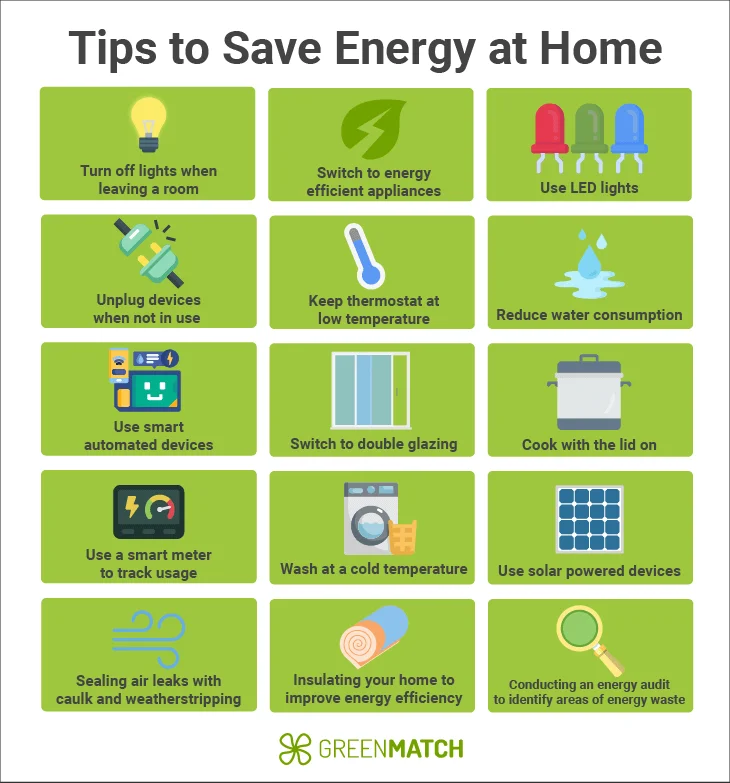
Old or compromised wiring can pose significant dangers. It’s crucial to be vigilant for warning signs indicating your electrical system may need an upgrade. Common indicators include flickering or dimming lights, frequently tripping circuit breakers, buzzing sounds near outlets, and the presence of two-prong outlets without grounding. You might also notice warm or burning-smelling outlets, which signals potential overheating. If your home was built before the 1970s, it might contain outdated wiring such as aluminum or knob-and-tube wiring, both of which are inadequate for today’s electrical demands. Ignoring these clues can risk safety and lead to costly repairs later.
Planning Your Electrical Upgrade on a Budget
Setting Priorities for Safety and Efficiency
When upgrading your home’s electrical system, prioritizing safety is paramount. Start by addressing any hazardous wiring or outdated components that increase fire risk. Upgrading from two-prong to grounded outlets significantly improves protection. Beyond safety, boosting efficiency can lower your energy bills and prepare your home for modern technology like smart devices or electric vehicle chargers. Careful planning ensures that you focus your limited budget on the most critical improvements first, such as updating the electrical panel or installing AFCI and GFCI outlets in vulnerable areas of your home.
How to Create a Realistic Budget
Creating a budget for your electrical upgrade begins with understanding typical costs and your home’s specific needs. For example, replacing an electrical panel usually ranges between $1,000 and $2,500, and this might cause a temporary power outage during installation. Assess the state of your wiring and the number of upgrades required. Incorporate potential costs for permits and inspections, which are essential for compliance with current electrical codes. Remember to keep a contingency fund for unexpected issues, such as discovering hidden knob-and-tube wiring that must be replaced. By mapping out these expenses beforehand, you avoid surprises and manage your finances more effectively.
Choosing Between DIY and Hiring Professionals
While some minor electrical tasks like replacing outlets or switches can be accomplished by handy homeowners, most electrical upgrades require professional expertise. Working with licensed electricians ensures your upgrades comply with safety codes and local regulations. Professionals also bring specialized tools and experience to handle troubleshooting and complex installations safely. Companies like Garber Electric specialize in electrical system troubleshooting and upgrades, providing peace of mind. Weighing the risks and benefits of DIY versus professional help is crucial, as improper work can lead to hazards or invalidate insurance coverage.
Cost-Effective Upgrades That Boost Safety
Installing AFCI and GFCI Outlets
One of the most impactful yet budget-friendly safety improvements is installing AFCI (Arc Fault Circuit Interrupter) and GFCI (Ground Fault Circuit Interrupter) outlets. AFCIs detect dangerous arcing currents that could cause fires, while GFCIs protect against electric shocks, especially in wet areas like kitchens, bathrooms, and garages. Updating your home with these outlets significantly reduces electrical hazards. Since these devices are often required by current electrical codes, investing in them enhances both safety and property value.
Updating Old Wiring Without Complete Replacement
Replacing all the wiring in an older home can be expensive, but there are ways to improve safety without a full overhaul. For instance, replacing two-prong outlets with grounded three-prong versions adds a layer of protection. Households with knob-and-tube wiring should avoid covering these wires with insulation, as it raises fire risks. Instead, selectively upgrading wiring in critical areas and ensuring proper insulation and air sealing during renovations can optimize both safety and efficiency. Consulting an electrician for targeted updates helps you avoid unnecessary expenses while addressing the most urgent electrical concerns.
Efficiency Enhancements Without Breaking the Bank
Switching to Energy-Efficient Lighting
Lighting upgrades are among the easiest ways to improve your home’s electrical efficiency on a budget. Replacing incandescent bulbs with LED alternatives significantly reduces energy consumption and bulb replacement frequency. LEDs produce less heat and come in various color temperatures to suit your preferences. Moreover, installing dimmer switches or motion sensors can further reduce electricity use by controlling how and when lights operate. These simple changes contribute to long-term savings without requiring major electrical modifications.
Smart Thermostats and Power Strips
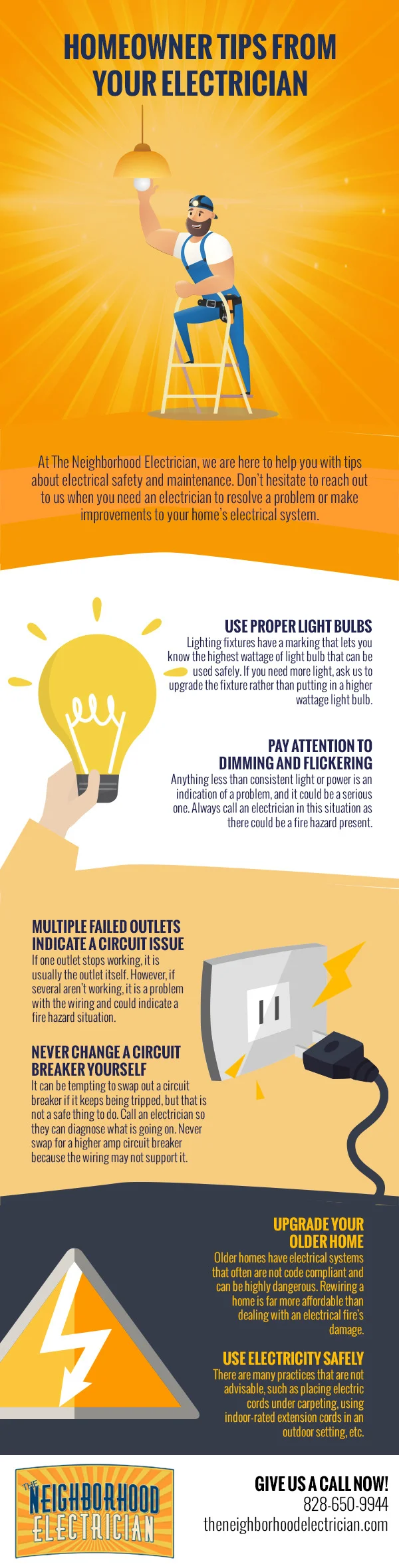
Integrating smart technology is another affordable strategy to enhance electrical efficiency. Smart thermostats learn your schedule and adjust heating and cooling for optimal energy use, providing comfort while reducing utility bills. Smart power strips minimize “vampire power” by cutting off electricity to devices when not in use. These tools complement electrical upgrades by encouraging mindful energy consumption without a hefty upfront investment. They also prepare your home for future technology integration.
Maintaining Your Upgraded Electrical System
Routine Inspections and When to Call an Electrician
Regular maintenance is essential to keep your electrical system functioning safely and efficiently. Schedule periodic inspections to check for signs of wear, loose connections, or outdated components. Pay attention to any new warning signs like flickering lights or unusual odors, and don’t hesitate to call a professional electrician when you suspect problems. Prompt attention to minor issues prevents costly damage and extends the system’s lifespan.
Preventive Tips to Extend System Life
Beyond inspections, simple preventive measures help protect your electrical investments. Avoid overloading circuits and refrain from excessive reliance on extension cords, which can cause overheating. During larger renovation projects with open walls or attics, consider combining electrical upgrades with air sealing and insulation improvements to enhance overall home efficiency. Additionally, maintaining proper grounding and ensuring compliance with current electrical codes safeguard your home and provide peace of mind.
Bonus Section: Innovative Financing Options for Home Electrical Projects
Upgrading your electrical system doesn’t have to strain your finances thanks to various innovative financing options. Many state programs offer rebates and incentives that reduce upfront costs. For example, initiatives like Comfort Home and EmPower+ provide financial support for energy-efficient improvements. Specific rebates, such as the NYS Clean Heat program, help offset expenses for upgrades like heat pump water heaters, which can save between $200 and $550 annually. Utilizing these programs allows homeowners to achieve safer, more efficient electrical systems without compromising their budgets.


