

Introduction to Crafting Durable Handmade Gifts
Why Choose Handmade Gifts?
Handmade gifts carry a special meaning, reflecting thoughtfulness and care. Unlike mass-produced items, they offer a unique, personalized touch that recipients cherish. Crafting these gifts also allows creators to infuse their personality and creativity, making every piece a one-of-a-kind treasure.
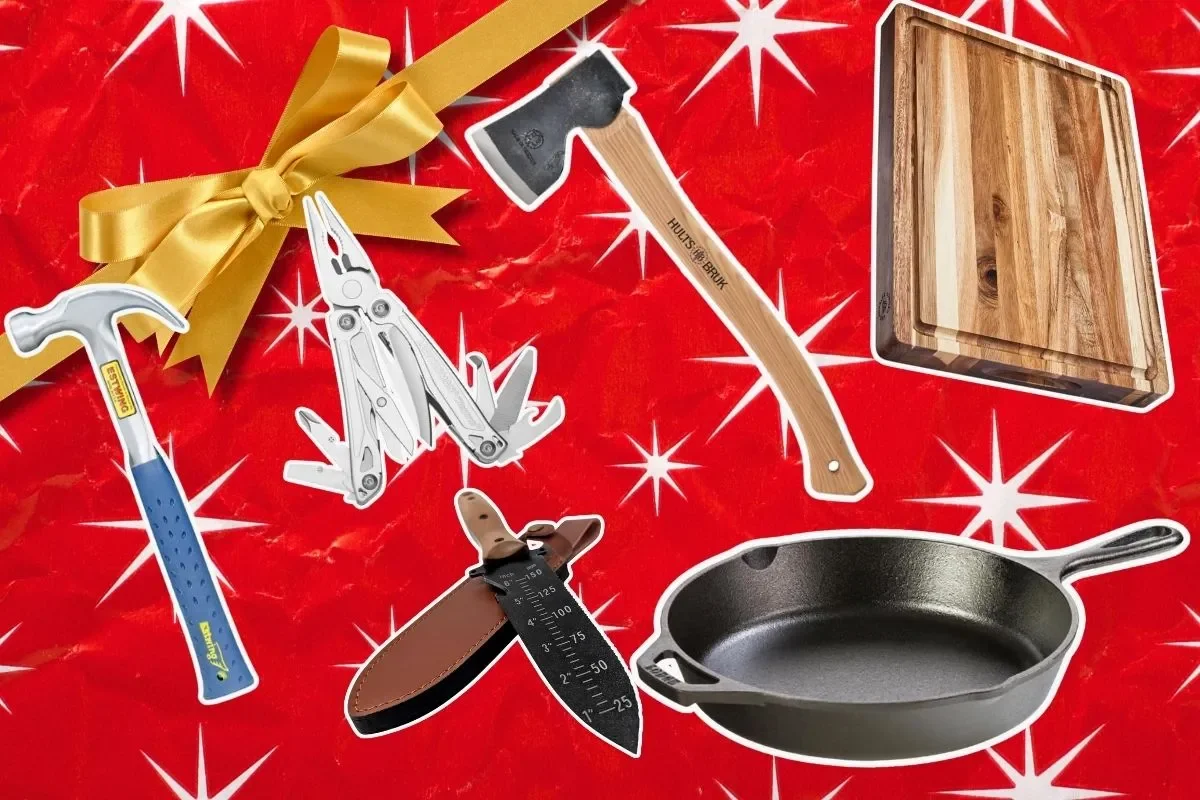
Choosing handmade gifts supports sustainable habits by often using materials more thoughtfully. It encourages skills development and promotes emotional connection between giver and receiver, making these gifts memorable and timeless.
The Importance of Quality Materials
The foundation of any lasting handmade gift lies in selecting quality materials. Superior materials ensure durability and maintain the gift’s appearance over time. They also affect the ease of crafting and the final aesthetic, which contributes to the item’s perceived value.
Watch the Tutorial
Investing in materials that age well prevents early wear and tear, reducing the need for replacements. This not only benefits the environment by limiting waste but also reinforces the meaningfulness of the gift for years to come.
Top Materials for Long-Lasting Handmade Gifts
Natural Fabrics: Cotton, Linen, and Wool
Natural fabrics like cotton, linen, and wool are ideal for creating gifts that last. Cotton offers softness and breathability, making it perfect for items such as pillows or clothing. Linen’s durability and texture add a rustic charm and improve with age. Wool provides warmth and resilience, suited for blankets and accessories.
These fabrics age gracefully and can be easily cared for. Choosing fabric that aligns with the recipient’s preferences enhances the gift’s usability and appeal. Additionally, prepping linens properly—such as soaking thrift store finds in OxiClean—helps ensure longevity and quality.
Wood Types That Withstand Time
Wood is a classic material for handmade gifts, valued for its strength and beauty. Hardwoods like oak, maple, and walnut resist wear and offer smooth finishes that age attractively. These woods are perfect for carved objects, boxes, and utensils that endure constant use.
Proper wood treatment and finishing—such as sanding and sealing—are crucial to protect from moisture and damage. Using appropriate cutting and carving tools ensures precision without compromising the wood’s integrity.
Metal Options for Strength and Elegance
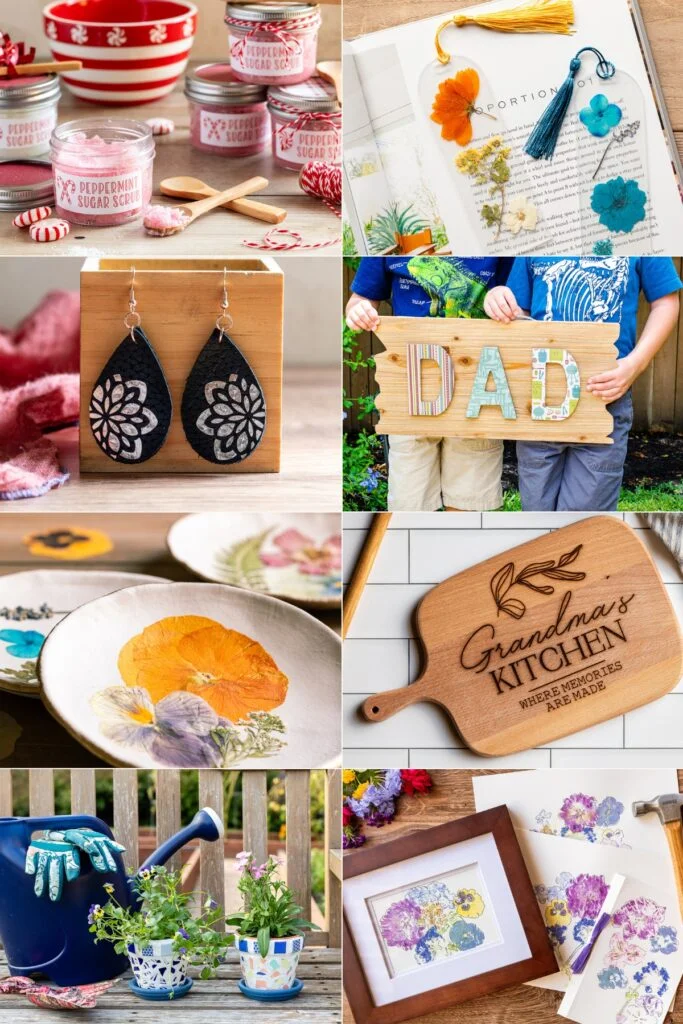
Metal components add durability and sophistication to handmade gifts. Stainless steel, brass, and copper are popular choices for jewelry, decorative accents, and hardware. They resist corrosion and maintain shine with minimal upkeep.
Selecting metals that complement the overall design while ensuring sturdiness creates gifts that can be used daily without losing charm. Combining metal with other natural elements, like wood or fabric, offers a balanced, elegant look.
Eco-friendly and Sustainable Choices
Eco-conscious makers often seek materials that minimize environmental impact. Reclaimed wood, organic fabrics, and biodegradable clays provide sustainable options with unique character. These materials promote responsible crafting and appeal to eco-aware recipients.
Incorporating sustainable materials encourages creativity and allows for experimentation with textures and finishes, enhancing both the gift’s story and its longevity.
Essential Tools Every Handmade Gift Maker Should Have
Cutting Tools for Precision Crafting
High-quality cutting tools are essential for clean, accurate cuts that define the craftsmanship of a handmade gift. Sharp scissors, rotary cutters, and craft knives help maintain fabric integrity and prevent fraying. For wood or metal, specialized saws and snips ensure detailed work.
Maintaining these tools with regular sharpening and cleaning is important to achieve professional results and prolong tool life, making the crafting process smoother and more enjoyable.
Adhesives and Fasteners: What Works Best?
Choosing the right adhesives and fasteners enhances the gift’s durability. Strong glues designed for specific materials—such as wood glue, fabric adhesive, or metal epoxy—ensure secure bonding without damage.
Fasteners like quality sewing needles, sturdy thread, rivets, and screws contribute to structural stability. Balancing glue and mechanical fastening methods can improve the gift’s lifespan, especially for items expected to endure daily wear.
Finishing Tools to Enhance Durability
Finishing tools like sanders, brushes, and sealants play a key role in protecting gifts from environmental wear. Sanding smooths rough edges, while sealants prevent moisture and stains. For painted clay projects, sealing with clear glossy spray or nail polish prolongs color vibrancy.
Using rollers for fabric printing or smoothing out fingerprints on clay with a brush and water ensures a polished, flawless final look that adds to the gift’s appeal and longevity.
Techniques to Ensure Longevity of Handmade Gifts
Material Preparation and Treatment
Preparing materials properly can greatly extend a gift’s life. Softening clay before shaping makes it less prone to cracking, and pre-washing fabrics removes residues that could cause deterioration. Using size guides, like taper candles for candlestick holders, ensures the right fit and functionality.
Skipping these preparatory steps often leads to weaknesses and imperfections. A little upfront effort saves time and enhances the final quality.
Best Practices in Assembly and Construction
Methodical assembly is critical. Avoid rushing; ensure joints are secure and layers are correctly aligned. Overcomplicating projects can cause frustration and reduce quality. Focus on creating practical gifts that balance creativity and ease of use.
Customizing gifts to recipient preferences and needs also increases their utility, making them more likely to be cherished and well cared for.
Finishing Touches That Protect and Beautify
Adding final treatments like sealants or textured paints protects surfaces and conceals flaws. Mixing baking soda into paint hides streaks and adds tactile interest. Smooth out fingerprints or deformities in clay with water and a brush before baking.
These finishing touches not only preserve the gift but also highlight craftsmanship, ensuring the piece remains attractive and durable over time.
Common Mistakes to Avoid When Crafting Gifts
Using Low-Quality Materials
Choosing cheap or inappropriate materials compromises the gift’s durability and appearance. These shortcuts often lead to early wear, fading, or structural failure, diminishing the gift’s sentimental value.
Overlooking Proper Tool Maintenance
Neglecting tool care results in imprecise cuts and rough finishes. Dull blades or dirty brushes cause frustration and reduce the quality of the final product.
Ignoring Design for Durability
Focusing solely on aesthetics without considering longevity leads to fragile gifts. Functional design choices—such as ease of use, portability, and recipient preferences—ensure gifts are practical and enduring.
Conclusion: Combining Materials and Tools for Timeless Gifts
Creating handmade gifts that last a lifetime requires careful material selection, the right tools, and thoughtful techniques. Prioritizing quality fabrics, wood, and metals combined with precision tools lays a solid foundation. Preparation, assembly, and finishing methods further preserve the craftsmanship.
By avoiding common mistakes and focusing on durability with personalized touches, handmade gifts become treasured heirlooms. These gifts embody creativity, care, and practical value—qualities that keep them beloved through the years.


