

Introduction to Omega-3 and Heart Health
Understanding Omega-3 Fatty Acids
Omega-3 fatty acids are essential fats that the body can’t produce on its own, meaning they must be obtained through diet. These fats play critical roles in brain function, inflammation regulation, and overall cellular health. Among the different types of omega-3 fatty acids, EPA and DHA are primarily found in fish and seafood, making these sources invaluable for people looking to boost their intake naturally.
Role of Omega-3 in Cardiovascular Wellness
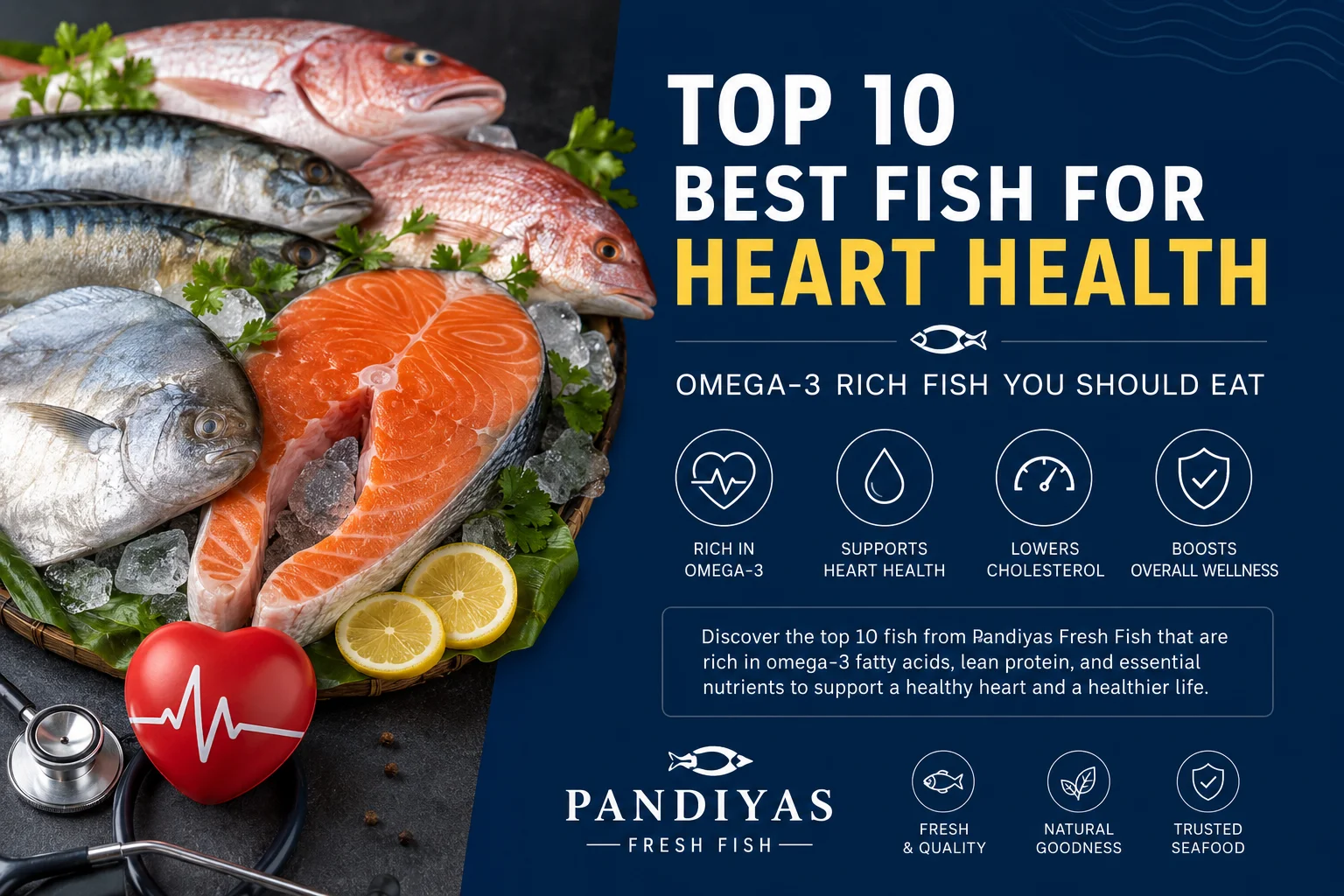
The connection between omega-3s and heart health is well recognized. These fatty acids support cardiovascular wellness by promoting healthy blood pressure levels, reducing triglycerides, and improving arterial function. Regularly including omega-3 rich fish in meal plans can contribute to a stronger heart and may lessen the risk factors associated with heart disease. This makes omega-3 not just a nutrient but a heart-friendly ally.
Top Fish Choices High in Omega-3
Salmon: Nutritional Benefits and Versatility
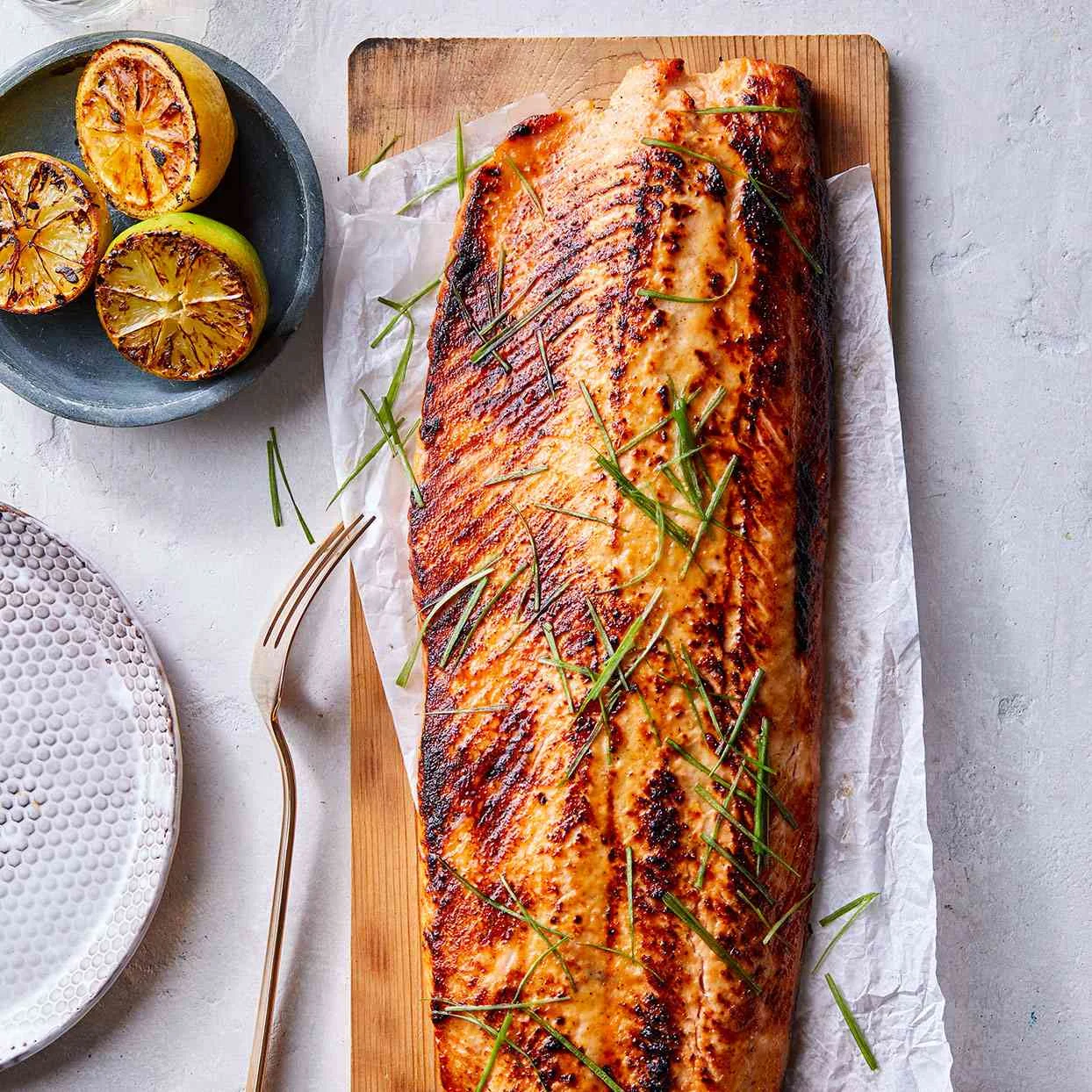
Salmon is often the star of omega-3 rich fish. Beyond its high omega-3 content, it offers protein, vitamin D, and selenium. Its rich, buttery flavor lends itself well to many cooking styles, from grilling to baking. Salmon’s versatility makes it an excellent choice not only for heart health but also for creating meals that feel indulgent yet nourishing. Whether you’re preparing a simple salmon bowl or a roasted salmon dinner, this fish adapts beautifully to various ingredients and cuisines.
Mackerel: Flavor Profile and Health Perks
Mackerel is a strong-flavored fish with a robust, oily texture that packs a punch of omega-3. It stands out for its affordability and nutrient density, providing a generous dose of vitamins B12 and D along with heart-healthy fats. Mackerel pairs well with bold herbs and tomato-based sauces, making it perfect for dishes that bring savory depth and complexity. Its rich oil content helps keep the flesh moist during cooking, lending itself to grilling, roasting, or simmering.
Sardines and Anchovies: Small Fish, Big Impact
Though small in size, sardines and anchovies are mighty when it comes to omega-3 content. Sardines, often canned, are a convenient pantry staple that can add instant nutrition to salads, pasta, or sandwiches. Anchovies, with their intense flavor, are typically used sparingly to enhance sauces and dressings. These little fish not only contribute omega-3 fats but also add calcium and protein, making them nutrient powerhouses capable of enriching meals in unexpected ways.
Delicious Omega-3 Rich Fish Recipes
Grilled Salmon with Avocado Salsa
This recipe celebrates fresh, vibrant flavors and the omega-3 richness of salmon. Grilling brings out the fish’s natural oils while creating a slight char that enhances flavor. Topping the salmon with a creamy avocado salsa made with lime, cilantro, and diced tomatoes creates a refreshing balance. Adding this dish to your meal plan offers a satisfying yet light option that pairs perfectly with a side of steamed broccoli or quinoa.
Mackerel in Tomato and Herb Sauce
A rustic dish that highlights the robust taste of mackerel, this preparation involves simmering the fish in a homemade tomato sauce packed with garlic, basil, and oregano. The acidity of the tomatoes cuts through the richness of the fish, while herbs provide an aromatic lift. This meal can be served over whole grain pasta or alongside sautéed green beans, offering both omega-3 fatty acids and a colorful, nutrient-dense plate.
Baked Sardines with Lemon and Garlic
Simple yet flavorful, baked sardines are quick to prepare and perfect for a nourishing lunch or dinner. The lemon and garlic combination brings brightness and depth, highlighting the natural oiliness of the fish. Baking helps retain the omega-3 fats without adding excess oil, making for a heart-smart meal. Pair these sardines with a fresh salad or roasted vegetables for a balanced dish.
Anchovy and Olive Tapenade on Whole Grain Bread
For a snack or appetizer, anchovy and olive tapenade offers a salty, savory punch with an omega-3 boost. This spread blends anchovies, olives, capers, and herbs to create a complex flavor profile that enriches simple whole grain bread or crisp crackers. The richness of the anchovies is balanced by the briny olives, making this small plate a flavorful way to incorporate omega-3s without cooking.
Tips for Incorporating Omega-3 Fish into Weekly Meal Plans
Balancing Flavors and Nutrients
When adding omega-3 rich fish to your meals, consider the overall balance of flavors and nutrients. Combining fish with plenty of vegetables and whole grains not only enhances the meal’s heart-health benefits but also makes the dish more satisfying and colorful. Experimenting with different herbs and spices—like lemon-garlic, ginger-tahini, or maple-mustard—can keep dishes exciting and prevent mealtime boredom.
Shopping and Storage Guidelines for Fresh and Canned Fish
It’s important to choose fresh fish carefully and store it properly to maintain quality and safety. Look for fish that smells fresh and has firm, shiny flesh. When purchasing canned options like sardines and anchovies, check for BPA-free packaging and opt for those packed in water or olive oil to keep meals healthier. Proper refrigeration or freezing helps preserve omega-3 content, and being mindful of portion sizes ensures balanced intake throughout the week.
Conclusion: Eating for a Healthier Heart
Including omega-3 rich fish in your diet is a delicious way to support heart health. From versatile salmon to the bold flavors of mackerel, sardines, and anchovies, these fish offer both nutrient density and culinary appeal. With thoughtful preparation and variety, integrating them into weekly meal plans can be both enjoyable and beneficial. Remember, balancing these choices with fresh vegetables, whole grains, and creative flavors makes heart-healthy eating satisfying and sustainable over time.


