

Introduction to Extending Tomato Harvest
Why Extend Your Tomato Harvest?
Many gardeners eagerly anticipate their homegrown tomatoes during summer, but the season often ends as cool weather approaches. Extending your tomato harvest into late fall allows you to enjoy fresh, flavorful tomatoes well beyond the usual cutoff. This extended period not only maximizes the yield from your garden but also enhances your culinary options with ripe, homegrown produce. Moreover, stretching out the harvest reduces waste and offers continued satisfaction from your gardening efforts.

Challenges of Late Fall Tomato Growing
Growing tomatoes late into fall comes with unique challenges. Cooler temperatures slow fruit ripening and can stunt the growth of plants. There is also the risk of early frost damaging your crop before it’s fully mature. Additionally, shorter daylight hours limit photosynthesis, reducing the plant’s energy to produce and ripen fruit. Moisture management becomes trickier as well; too much or too little water during this period can impact fruit quality. Addressing these issues requires careful planning and specific techniques tailored to the late growing season.
Choosing the Right Tomato Varieties
Cold-Tolerant and Late-Season Varieties
Selecting tomato varieties specifically bred for cool climates and shorter growing seasons is vital to success in late fall gardening. Certain varieties such as Manitoba, Northern Delight, Oregon Spring, Scotia, Siberia, Stupice, and Zaryanka Sunrise have characteristics that allow them to thrive and produce fruit even when temperatures drop. These cold-tolerant plants can tolerate cooler nights and have faster ripening cycles, making them ideal candidates for late planting or succession planting strategies to extend your harvest.
Heirloom vs. Hybrid: Which Lasts Longer?
The choice between heirloom and hybrid tomatoes often influences harvest longevity. Heirloom varieties are celebrated for their rich flavors and diverse colors but can be less uniform in ripening and may have varied resistance to cooler temperatures. Hybrids, however, are typically bred for disease resistance and consistent performance, often including traits that favor a longer productive period. For extending your tomato harvest, incorporating a mix of both types can balance taste preferences and yield reliability as fall approaches.
Optimizing Plant Care for Late Season Growth
Pruning Techniques to Boost Fruit Production
As the growing season slows, maintaining healthy foliage and directing energy toward fruit development becomes crucial. Pruning helps by removing excess foliage, which can reduce disease risk and improve air circulation. Pinching off suckers and any yellowing leaves encourages the plant to focus nutrients on ripening fruit rather than unnecessary growth. This targeted pruning ensures the plant is not overwhelmed and can sustain fruit production even as days grow shorter.
Watering and Fertilization Adjustments for Fall
Water management is a delicate balancing act in late-season tomato care. While adequate watering is needed to avoid stress, overwatering can lead to fruit cracking and reduced flavor. Allowing the top inch of soil to dry between watering encourages deeper root growth and enhances fruit quality. Fertilization should be adjusted as well; high nitrogen inputs that promote leafy growth are less desirable late in the season. Instead, mild applications of balanced or phosphorus-rich fertilizers, such as a light fish emulsion every six weeks, can support steady fruit maturation without excessive foliage.
Environmental Controls to Protect Your Plants
Using Row Covers and Cloches
Environmental protection is essential to extending your tomato season. Row covers and cloches act as thermal blankets, trapping heat and shielding plants from chilling winds and early frost. When using these covers, it is important to secure them well with bricks or clips to prevent displacement on windy days. On warmer days, removing or venting the covers helps avoid overheating, which can stress the plants and delay ripening. These covers create a more stable micro-environment conducive to continued growth.
Creating Microclimates in Your Garden
Creating microclimates involves manipulating your garden space to maximize warmth and shelter for your tomatoes. Utilizing black plastic nursery pots can warm root zones and accelerate growth. Positioning pots against south-facing walls or using reflective mulches can boost sunlight exposure. Regularly fluffing mulch prevents compaction, which helps maintain soil warmth and moisture balance. These small adjustments cumulatively extend the growing conditions suitable for your tomatoes, enabling a longer productive season even as external weather cools.
Harvesting Tips for Maximum Yield
Recognizing Mature Fruit in Cooler Weather
In cooler temperatures, tomatoes may mature differently, often taking longer to develop deep color and firmness. Careful observation is needed to identify when fruit has reached peak ripeness. Look for full, vibrant coloration and a slight softness to the touch without being mushy. Some tomatoes may remain green but turn a yellowish or orange flush when ready. Harvesting at the right time not only ensures optimal flavor but also encourages the plant to continue producing by redirecting energy back into new fruit development.
How and When to Pick for Extended Freshness
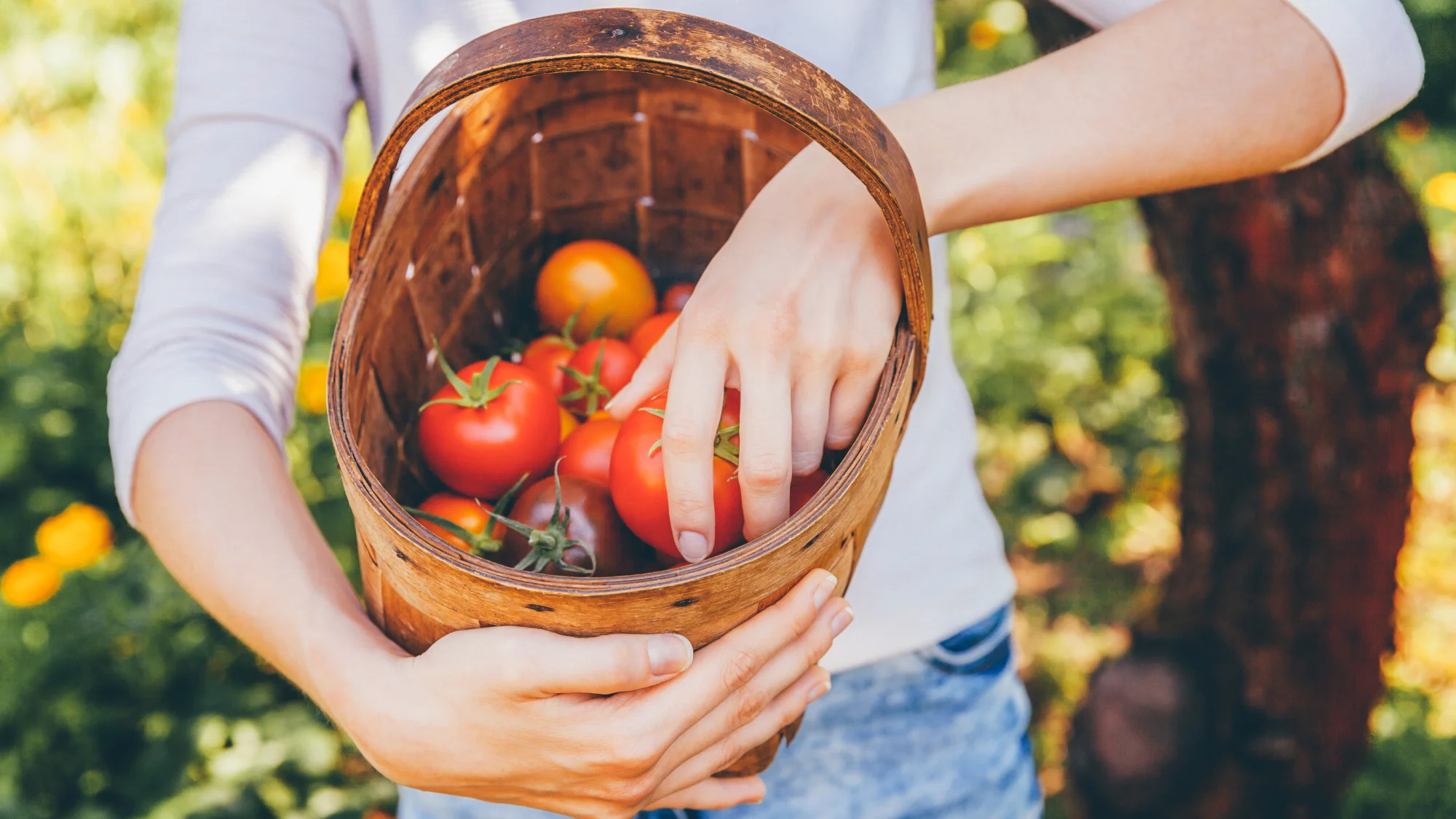
Picking tomatoes strategically can significantly impact the length of your harvest. Harvesting ripe tomatoes promptly prevents them from overripening on the vine and reduces vulnerability to pests and rot. For tomatoes that are close to maturity, picking slightly before full ripeness and allowing them to finish indoors can extend their usability. Additionally, harvesting regularly and thoroughly avoids missed fruit, which can sap plant energy and reduce overall yield.
Post-Harvest Handling and Storage
Best Practices for Storing Late-Season Tomatoes
Once harvested, proper storage techniques preserve the quality of your tomatoes. Store your tomatoes at room temperature away from direct sunlight for a few days to allow full ripening if needed. Avoid refrigeration unless the tomatoes are fully ripe and you want to extend their shelf life by a few days, as cold can degrade texture and flavor. Using shallow containers to avoid stacking reduces bruising and spoilage. Handling tomatoes gently throughout this process maintains their quality for longer enjoyment.
Preserving and Using Excess Tomatoes
Even with extended harvesting, you may accumulate an excess of tomatoes. Preserving surplus tomatoes through canning, freezing, or making sauces and salsas can prevent waste and keep your harvest productive beyond the growing season. Each method has specific preparation steps but generally involves selecting healthy fruit, removing stems, and processing within a short time frame after harvest. Planning ahead for preservation ensures you enjoy the fruits of your labor well into winter months.


