

Understanding Air Quality Challenges in Small Apartments
Common Indoor Pollutants and Their Sources
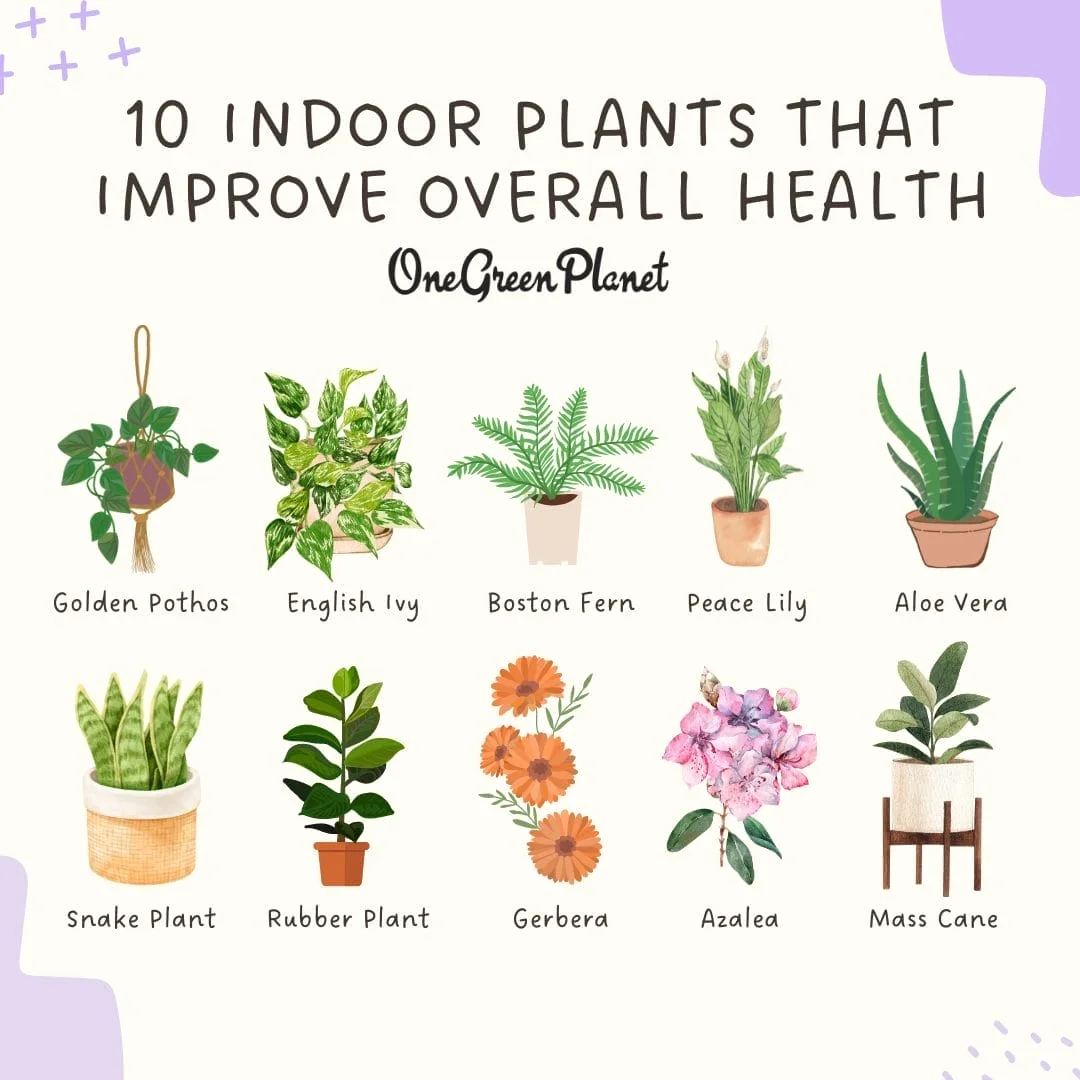
Living in a small apartment often means sharing limited space with various sources of indoor pollutants. Common offenders include volatile organic compounds (VOCs) released from cleaning products, paints, and furniture materials, as well as dust mites, pet dander, and cooking fumes. For example, a compact kitchen tucked into a studio apartment can contribute to elevated particle levels from frying oils and smoke. Additionally, poor ventilation exacerbates the buildup of these pollutants, leading to an environment where stale air feels unavoidable.
Impact of Poor Air Quality on Health and Well-being
Though it might be easy to overlook, the quality of indoor air can influence everything from energy levels to comfort. A friend who moved into a downtown apartment noticed frequent headaches and fatigue that seemed unrelated to her usual routine. After considering the poor air circulation and sources of indoor toxins, she realized the connection. Unfiltered indoor air can lead to irritation of the respiratory system, aggravate allergies, and disrupt sleep quality, making everyday living less pleasant and potentially affecting long-term health.
The Role of Indoor Plants in Enhancing Air Quality
Scientific Basis for Plants Purifying Air
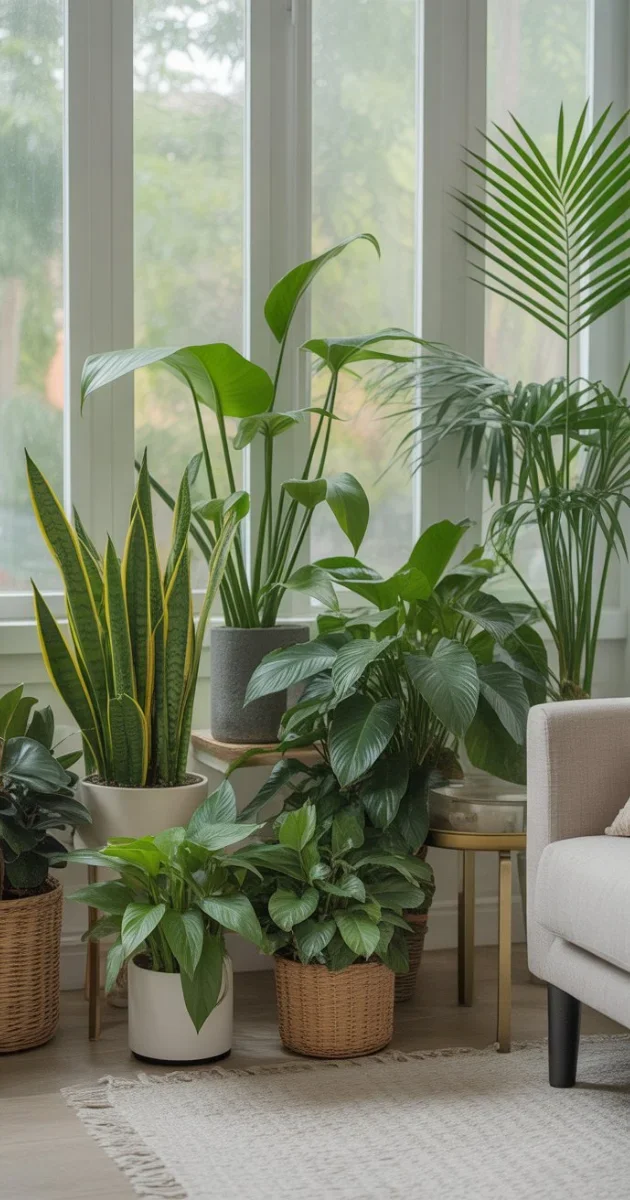
The idea that indoor plants can improve air quality stems from studies highlighting their ability to absorb certain pollutants through their leaves and roots. While much of this research is conducted under controlled conditions, it shows that plants like the spider plant and snake plant can take in chemicals such as formaldehyde and benzene. In real-life settings, the effect may be less dramatic but still present, especially when plants are part of a broader approach including ventilation.
Choosing Plants for Small Spaces
Small apartments demand adaptable greenery that can thrive without demanding too much attention or space. Opting for compact, slow-growing varieties such as the snake plant or pothos allows apartment dwellers to enjoy the benefits without feeling overwhelmed by maintenance. For instance, a coworker living in a tiny city studio manages a couple of snake plants by a north-facing window, appreciating their resilience and subtle air-cleaning properties without sacrificing precious space.
Top Low-Maintenance Indoor Plants for Small Apartments
Snake Plant: Features and Care Tips
The snake plant stands out for its hardiness and ability to tolerate low light and infrequent watering. Its upright, sword-like leaves fit elegantly into corners or on narrow shelves. I once saw a busy professional place it in a dim hallway where it thrived without intervention. Besides filtering formaldehyde and benzene, it’s also drought-tolerant, making it ideal for those prone to forgetting watering schedules.
Spider Plant: Benefits and Maintenance
Spider plants are known for their vigorous growth and distinctive arching leaves. They thrive best in bright, indirect light and benefit from occasional watering. Their ability to remove toxins such as formaldehyde is well-regarded, especially in smaller rooms. A neighbor’s spider plant sends out numerous “pups” that she gifts to friends, spreading indoor greenery with ease. However, ensuring it doesn’t dry out too much helps maintain its effectiveness.
ZZ Plant: Why It’s Ideal for Busy Individuals
The ZZ plant appeals to those with hectic schedules due to its tolerance for low light and extended dry periods. It features glossy, waxy leaves that add a touch of elegance without much fuss. In an urban apartment I visited, a young artist kept a ZZ plant near a shaded corner that barely received natural light, yet it flourished, enhancing the room’s aesthetic while requiring minimal care.
Optimizing Plant Placement for Maximum Air Purification
Strategic Locations in Small Apartments
To make the most of indoor plants, consider their placement carefully. Position air-purifying plants near sources of pollutants when possible; for example, placing a bamboo palm close to the kitchen area helps combat cooking emissions. Windowsills with filtered light suit spider plants or pothos, while dimmer hallways can accommodate snake plants or ZZ plants. This thoughtful arrangement not only improves air quality but also complements interior design.
Combining Multiple Plants for Synergistic Effects
Using a combination of plants with different purifying strengths can create a subtle but more effective indoor environment. For instance, pairing a snake plant with a peace lily can target a broader range of toxins. A friend experimented with this approach, noting that the diversity of plants seemed to help keep the air feeling fresher during months when he couldn’t open windows. However, it’s important to balance the number of plants with available space and care capacity to avoid overcrowding or neglect.
Practical Tips for Maintaining Indoor Plants with Minimal Effort
Watering and Light Requirements Simplified
Understanding each plant’s basic needs simplifies maintenance. Snake plants require watering only when the soil is completely dry, while spider plants enjoy a consistent, moderate watering routine. Identifying a reliable spot with the right light—indirect bright for spider plants, less intense for ZZ plants—helps avoid common mistakes. Using a moisture meter or simply feeling the soil can prevent overwatering, a common issue in beginner plant care.
Preventing Common Plant Problems
Neglected care can sometimes lead to issues like mold growth or pest infestations, which ironically may decline air quality. Regularly removing dead leaves and inspecting plants for pests keeps them healthy. For example, English ivy, while effective, tends to attract spider mites if humidity is too low, so it requires a bit more attention. Choosing robust species and establishing a simple maintenance routine can minimize these risks and keep plants in top condition.
Additional Methods to Complement Plant-Based Air Quality Improvements
Ventilation and Air Circulation Strategies
While plants contribute to air quality, proper ventilation plays a far more significant role. Opening windows when weather permits, using exhaust fans, and encouraging air circulation through small fans can drastically reduce pollutant buildup. A tenant in a high-rise building shared how regularly airing out her apartment reduced musty odors and improved her overall comfort, even before adding any plants.
Using Air Purifiers Alongside Plants
For those seeking faster and broader pollutant removal, air purifiers offer an effective complement to plants. Devices equipped with HEPA filters capture tiny particles like dust and allergens that plants cannot address. Balancing air purifiers’ noise and energy consumption with plant care can create a holistic approach to indoor air freshness. In a small space, a quiet air purifier next to a collection of snake plants and pothos strikes a balance between technology and natural elements.


